

Audio By Carbonatix
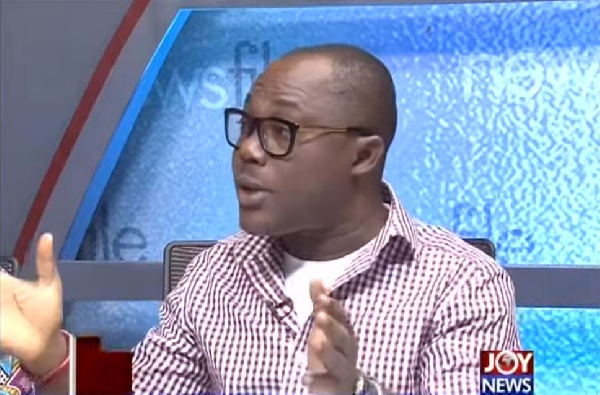
Political Science Lecturer at the University of Ghana, Prof Ransford Gyampo, has called for urgent steps to be taken to cut down on the huge political funding and election financing in the country.
He has noted that until practical solutions are prescribed to confront the menace, corruption will continue to be the country's major setback.
The monetisation of politics in Ghana has always been an issue of discussion, especially after general elections when candidates spend huge sums of money to secure victory.
This usually affect the chances of smaller parties and individuals who may have interest in contesting for certain portfolios during the elections.
While some have blamed the phenomenon on the demands of Ghanaians during elections, others think political parties should adopt different strategies to generate funds.
"I keep asking myself; if it’s the idea of going to serve, who pays to go serve? Isn’t it rather the other way round that you go serve and get paid by the people that you are serving?"
"So many monies go into campaigning and people pay a lot of money just to serve and it should raise eyebrows if people are paying the kind of monies that the CDD has recently come up with," Prof. Gyampo said on Prime Morning.
He said because politicians spend so much to get power, they mostly tend to use illegitimate means to replenish monies they parted with before being elected.
"When they get to power, they must recoup the money they spent in the electioneering campaigns at all cost and so it means they would have to dip their hands into state coffers to replenish what they spent, and to dip their hands small into the coffers to get more money to prepare for the next elections."
"If they are going on retirement, they must pay more to be able to keep and to take care of themselves when they are on retirement," he told Benjamin Akakpo on Thursday.
CDD Research
A new research by the Center for Democratic Development (CDD-Ghana) has found that presidential candidates will need at least $100 million to win an election in Ghana.
The report also indicated that parliamentary candidates have to cough up nearly ¢4 million to win a constituency seat.
The study sought to assess some illicit and illegal moves in local politics and to get a fair idea of how much investment goes into politics.
Latest Stories
-
6,079 promotion cases fully processed and paid – CAGD says amid nationwide teachers’ strike
25 seconds -
Teacher unions to meet government Monday over nationwide strike
16 minutes -
Photo story: Republic Bank-JoyNews Habitat Fair clinic wraps up after three days of housing solutions, expert engagement
19 minutes -
National Peace Council urges investment in youth to sustain Ghana’s peace
41 minutes -
Afenyo-Markin urges youth to speak up against injustice
52 minutes -
CAF annuls Edo Queens victory, orders WAFU B final to resume from extra time
1 hour -
Interior Minister urges traditional authorities to enforce anti-bushfire bye-laws
1 hour -
3rd Republic Bank-JoyNews Habitat Fair Clinic ends on a high note after three days of strong patronage
1 hour -
Ten climbers missing after avalanche hits Himalayan base camp
2 hours -
NPP had more permanent fuel relief measures than current GH¢2 diesel cut – Amin Adam
2 hours -
Photos from the 3rd Republic Bank-JoyNews Habitat Fair Clinic
2 hours -
Ethiopia’s army promises restraint amid fears of new civil war
3 hours -
Amin Adam calls for review of fuel taxes as diesel prices remain above GH¢18
3 hours -
World Vision Ghana, Ahafo districts sign MoU for universal WASH coverage
4 hours -
When the gold engine stutters: What Ghana’s Cedi and reserves are telling us about the new economic architecture
4 hours