

Audio By Carbonatix
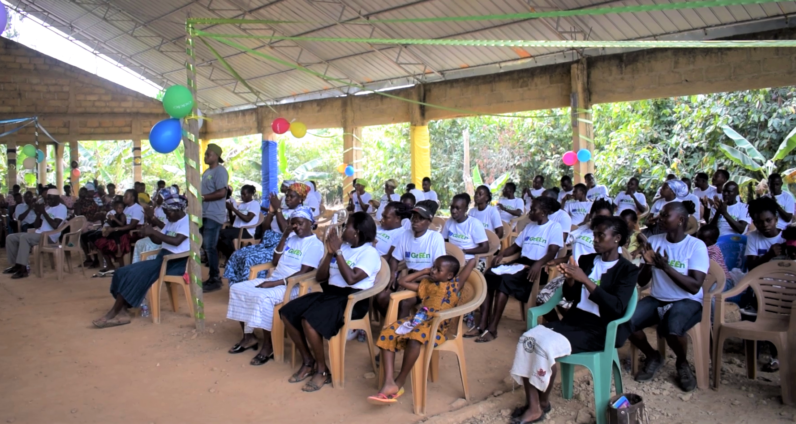
Seventy-five (75) residents of Abenneso in the Western Region, have benefitted from the SOS-GrEEn cash for work initiative.
The initiative empowers the youth with technical skills in addition to a daily minimum wage of 12 cedis to help create their green businesses.
It is a 4-year project expected to contribute to the development of a green and climate-resilient economy.
SOS-Green Ghana will provide employability for beneficiaries to create a green economy for over 4,000 youths in ten MMDA's of the Western and Ashanti Regions.
The intervention by the organization in the municipality forms the basis of the development of a GrEEn Training manual.
The beneficiaries were trained on identifying green opportunities in their communities and how to be entrepreneurs in the green sector.
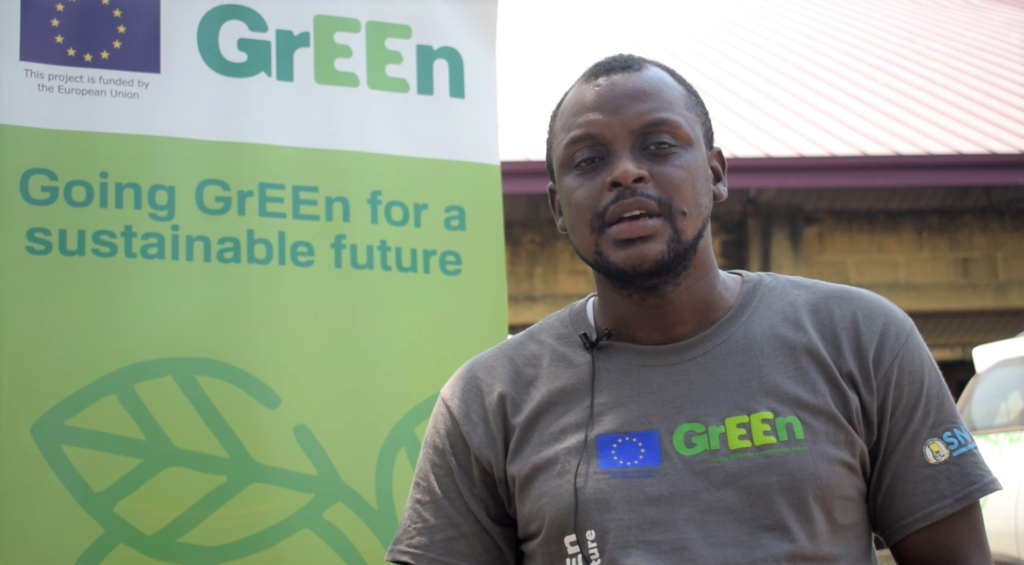
“Our main aim is to empower 4,000 cash for work beneficiaries such that they are able to secure green employment or start a green business. A daily minimum wage of 12 cedis is given to cash for work beneficiaries,” Project coordinator SOS- GrEEn Ghana, Shaibu Fuseini said.
He said, “over 75 beneficiaries have graduated from the project and we want beneficiaries to start a business in their local green economy, so we took them through some training, soft skills, employable and entrepreneurial skills”.
According to the project coordinator, the selection of the district is spearheaded by the Ministry of Local Government and Rural Development.
“…when the Ministry selects these districts, we look through the medium-term development plan of these MMDA’s and find a climate infrastructure that can be funded”, he said.
Partners of the SOS- GrEEn project, United Nations Capital Development Fund (UNCDF) educated beneficiaries on financial literacy during the training.
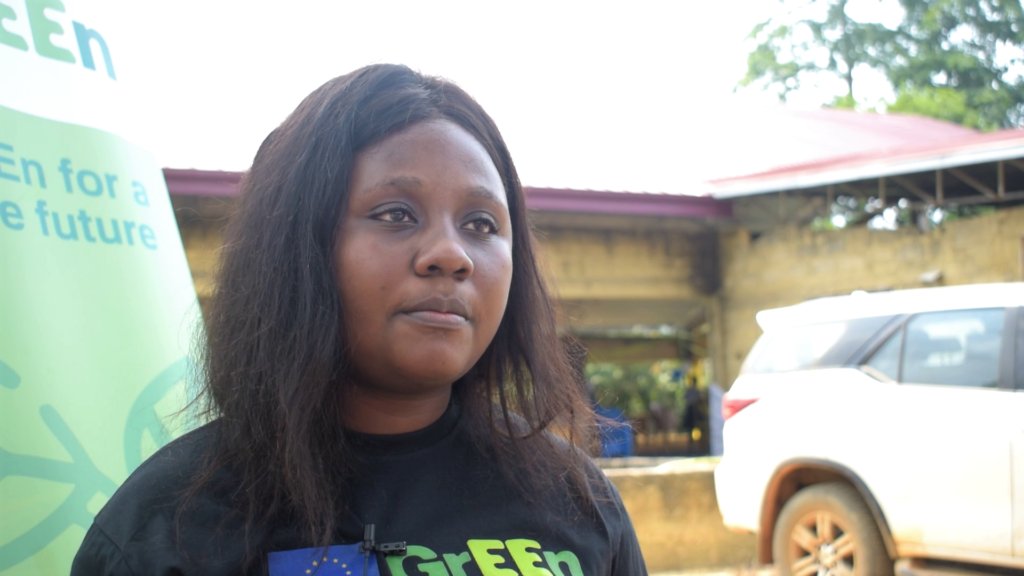
Berenge S. Jantuah, Community Development Officer UNCDF, noted, “the training will help participants escape poverty by building savings, growing assets and creating wealth”.
Beneficiaries who graduated from the SOS-GrEEn cash for work project, shared their experience after the 3 months training.
Tracy Donkor, a beneficiary farmer revealed that through the project, she has been able to buy a fridge with which she will start a 'sobolo' business.
Another beneficiary noted, “my money is now safe because United Nations Capital Development Fund (UNCDF) has opened an account for me”.
The project was funded by the European Union in partnership with the United Nations Capital Development Fund (UNCDF).
Latest Stories
-
NPP UK branch calls for independent audit into gold purchasing operations and parliamentary probe
18 minutes -
Zanetor Agyeman-Rawlings pledges decisive action on climate change, galamsey and environmental degradation
22 minutes -
Bawumia was brainchild behind Domestic Gold Purchase Programme – Samuel Jinapor
24 minutes -
Fuel prices set to go up from September 1, Petrol to sell at GHC 16.69 and Diesel, GHC 17.90 – COMAC
26 minutes -
Our World Our People withdrawn due to curriculum duplication, not politics – Adutwum’s spokesperson
29 minutes -
GANRAP is essentially a rebranding of Domestic Gold Purchase Programme – Abu Jinapor
35 minutes -
I am tired of being in opposition, my goal is to win in 2028 – Boakye Agyarko
46 minutes -
Ghana’s road maintenance funding gap deepens as only 37% of needs met – World Bank
46 minutes -
Roland Europe Group appoints Opoku Sanaa as Head of Sales, Middle East & Africa
48 minutes -
Sammyflex TV’s Roland Amartey girds up for 2026 Ghana Music Awards UK coverage
60 minutes -
U.S. bank queried payments for Ghana ambassador’s residence renovated by company owned by embassy’s IT officer
1 hour -
GoldBod to generate US$1.4bn in FX in September
2 hours -
GAF 2026/2027 enlistment opens September 3 for degree holders
2 hours -
Reparatory justice: Mahama announces high-level UN side event in September
2 hours -
Bosome Freho Assembly invests first tranche Common Fund in water and education projects for 19 rural communities
2 hours