

Audio By Carbonatix
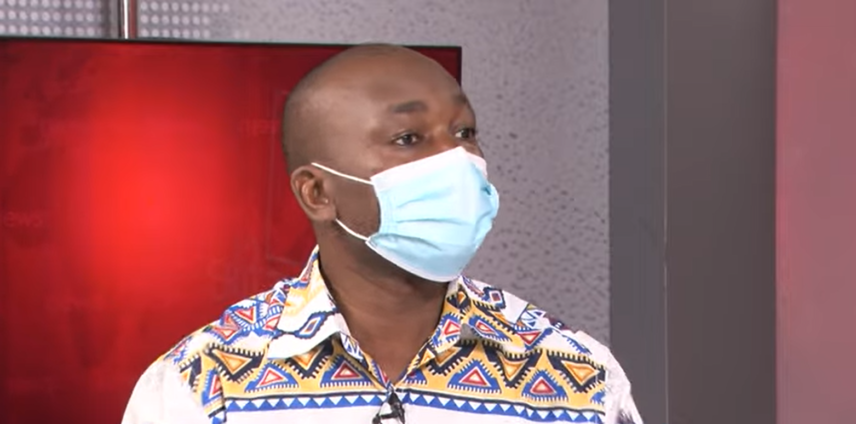
An Economist at the University of Ghana Business School (UGBS), Prof. Godfred Bokpin, has blamed the government for its failure to address the inefficiencies and low compliance with existing tax policies over the years.
He says government’s inability to block the leakages in tax revenues is what has rendered the economy weak, a development he warns could deprive the state of its objective to remain competitive on the digital economy market.
In an interview on Prime Morning on Thursday, February 3, Prof. Bokpin stated that the introduction of the Electronic Transactions Levy (e-levy) may not cause any significant change in the economic narrative of the country.
He noted that the principle underpinning the e-levy is problematic, adding that “you don’t explain your failure by introducing new tax handles which are a bit more regressive and anti-growth in the digital era.”
“I think the e-levy should not even be an AOB for a discussion, let alone an agenda itself; it’s not the way to go, it should not even be the last resort for now given the effect of Covid on our economy.”
“You want to look at the overall drive of the country and you realise that imposing this tax is more or less to reverse or redirect the direction of this economy and you’re going to lose massively in terms of competitiveness in the digital economy,” he told Prime Morning Host, Emefa Akosua Adeti.
The academic observed that within the context of the global economic strategy and the fact Ghana should not be left behind, it is premature to contemplate on passing the e-levy now.
According to him, “it’s like the state is dipping its hands directly into people’s pockets and eating into their capital; what you are doing is to undermine domestic private sector and individuals from accumulating capital in order to maximise their participation in the economy.”
“Unfortunately, we are even talking about e-levy as though that is the panacea to our fiscal gap; that’s not true. Ghana’s problem is beyond the introduction of e-levy; wastefulness, corruption and inefficiencies accommodated at the level at which we are operating now [and] over the years, introducing e-levy to get GHC6.9 billion is not the solution. We would be here next year talking about more revenue,” he added.
Latest Stories
-
John Boadu pledges unity, reconciliation as he takes over as NPP National Chairman
20 seconds -
‘Whatever the personal cost, I will not abandon my duty’ – Baffour Awuah assures Salomey Bafoh
2 minutes -
Government to increase funding for Houses of Chiefs to speed up dispute resolution
4 minutes -
Govt’ to introduce digital property rate system to boost MMDAs’ revenue – Mahama Ayariga
6 minutes -
Traditional Medicine Practice Council closes three unlicensed spa and massage centres in Ashanti Region
8 minutes -
Let’s accept the reality and move along – Mike Oquaye on NPP’s decision to make flagbearer party leader
10 minutes -
Early presidential primary helped cool tensions in NPP – Prof. Mike Oquaye
28 minutes -
NDC congratulates new NPP executives, urges national interest above party interests
30 minutes -
NPP implementing 2024 election review recommendations in stages – Prof Mike Oquaye
32 minutes -
Ghana Rugby Union announces managerial changes
32 minutes -
US removes all bombers from RAF Fairford base
33 minutes -
France closes up to 500 schools Monday over student protests
33 minutes -
Girl, 12, fatally shot in US during ‘dispute over parking space’
34 minutes -
NPP is a party for all classes – Prof. Mike Oquaye
35 minutes -
Chief Justice urges Judiciary to strengthen foundations of justice
35 minutes