

Audio By Carbonatix
An epidemiologist with the National Malaria Control Programme (NMCP) says more resources are needed to make the goal of eliminating malaria in the country feasible.
According to Dr Nana Yaw Peprah, several innovative decisions are to be implemented towards eradicating the spread of the disease.
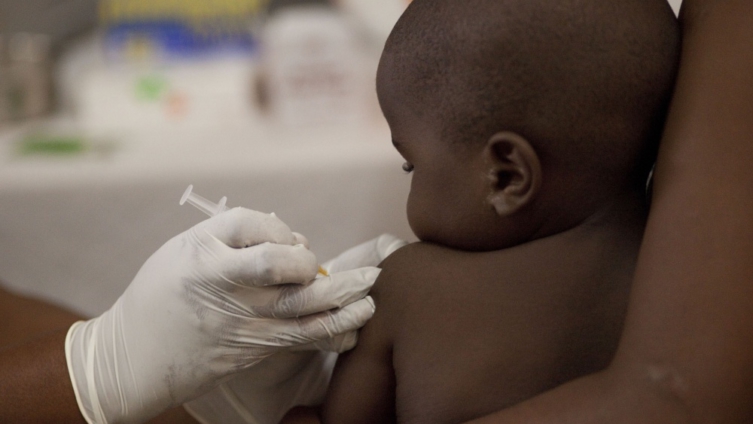
But the lack of adequate resources is impeding the swift delivery of such interventions, although the World Health Organisation (WHO) has given the country the green light to expand the malaria vaccination programme.
Speaking on Prime Morning on Monday, Dr Peprah noted that the NMCP is currently making do with the available resources to achieve some results.
“For instance, what we did in our current strategic plan was to stratify our disease burden and get our interventions more targeted. What that meant was that in some districts, we were doing some interventions we taught would be more efficient.
“So, we try as much as possible to get the best out of the resources available to us. Over the years, we have made this progress with just about half of the resources we need as a Programme. What this means is that if we get more resources, we are going to do more, and elimination is really feasible,” he said.
Dr Yaw Peprah revealed the Programme is liaising with relevant stakeholders to identify ways and means to be more innovative in this fight.
“We’re trying as much as possible to be innovative, to try and see what works well in which places, and if we have the needed resources, we can implement same and get the resource we need to get as a country.”
Reforms needed
A Senior Research Fellow at the Noguchi Memorial Institute for Medical Research (NMIMR) has called for more reforms and investments to be made in the fight against malaria in the country.
Dr Linda Eva Amoah said despite various interventions made to reduce malaria infections, pregnant women and children below five years remain highly susceptible to the disease.
She mentioned that cases of malaria among pregnant women usually affect unborn babies, saying it is one of the leading causes of stillbirths in the country.
“They [children and pregnant women] are the ones that do suffer the most because for children under five, their immune system isn’t that well-developed, and once you become pregnant, you also have become susceptible to a whole lot of different things.
“So, these two categories are very susceptible to malaria, and most of our interventions are targeted to help them,” she said.
Latest Stories
-
Photos: Mahama mourns Ya-Na Abukari II, pledges state support for final funeral rites
1 minute -
Ebola outbreak in DRC worsens as death toll rises to 930, WHO warns of rapid spread
8 minutes -
Ghanaian Youth under siege: The growing threat of online network marketing schemes
17 minutes -
We need enforcement, not new anti-graft laws – Frema Osei-Opare
35 minutes -
Ghana records decline in new HIV infections and AIDS deaths in 2025 – AIDS Commission report
39 minutes -
US court cites Interpol decision in ruling on Ofori-Atta’s immigration case
48 minutes -
SABC report claiming Ghana has recorded 2,300 Ebola cases, 930 deaths is false
51 minutes -
Trump imposes 50% tariffs on Canadian goods as trade tensions escalate
51 minutes -
Tanzania’s President Samia to lead maternal, child health call at AU health summit in Accra
58 minutes -
Bono East Police arrest six over highway robbery, recover GH¢300,000 stolen cash
1 hour -
ATU launches Business School, urges stronger industry-academia partnership
1 hour -
NPP-USA faces internal dispute over disqualification of 5 aspirants ahead of branch elections
1 hour -
Greater Accra records 1,054 vehicle interceptions in police crackdown on illegal sirens
1 hour -
80 CSOs urge government to release full Constitutional Review Committee report
1 hour -
US Judge says OSP failed to provide evidence linking Ofori-Atta to criminal wrongdoing
2 hours