

Audio By Carbonatix
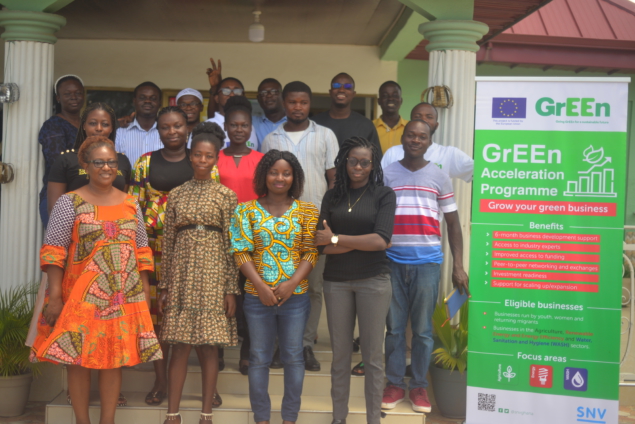
Start-ups in the Ashanti region owned solely by women have begun a six-month business incubation programme organized by the Recycle Up! Ghana.
The training is to equip the participating start-ups with relevant business development skills and also provide financial support and investment exposure to their businesses.
Required conditions for setting up a business in Ghana have thrown many young entrepreneurs out of business.
Many start-ups in the country are confronted with numerous challenges to sustainably thrive, including financial support.
Rita Krampaah, a corporate trainer, attributes the seeming non-feasibility of these businesses to some entrenched regulations imposed on start-ups in Ghana.
She says the prerequisites including a residence permit and business advice by these start-ups are elusive.
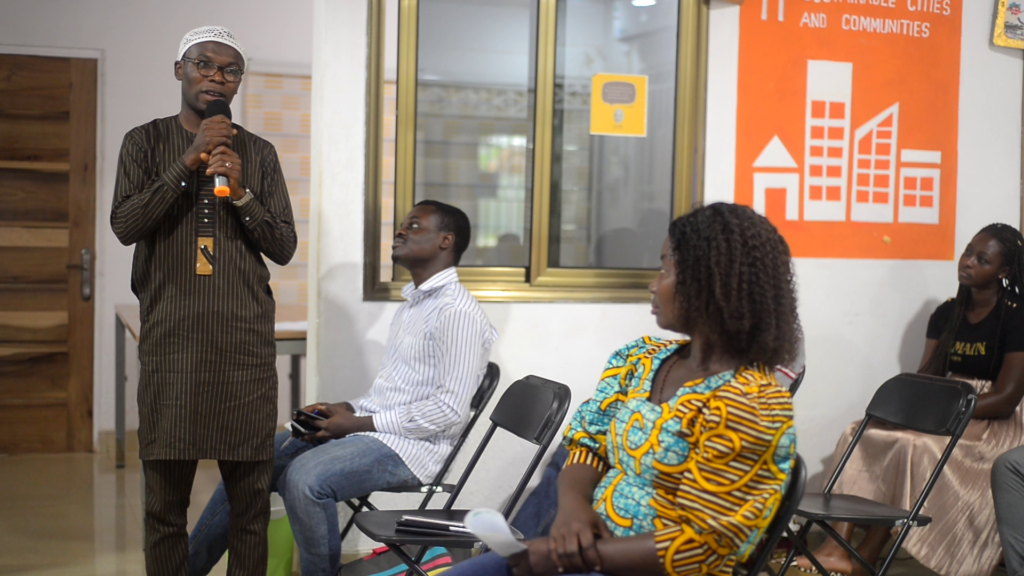
“The rules and regulations in the system are not flexible for entrepreneurs to thrive. You need to be paying taxes, the support, capital and even the space. If these things are available, many people will go into entrepreneurship,” she said.
Emmanuella Appiah, who started her entrepreneurial journey a few years ago, says she is challenged with the wherewithal to survive the economic situation in Ghana.
Her outfit is into recycling plastic wastes into eco-friendly materials for construction works.
“Getting suppliers have been a major problem now. Money for the technical tools to thrive the business has not been easy,” she said.
Recycle Up! Ghana, a business incubator, has been organising business development training for start-ups in Ghana over the years.
The six-month training focuses on businesses in the waste, agriculture, sanitation and hygiene, and renewable energy sectors.
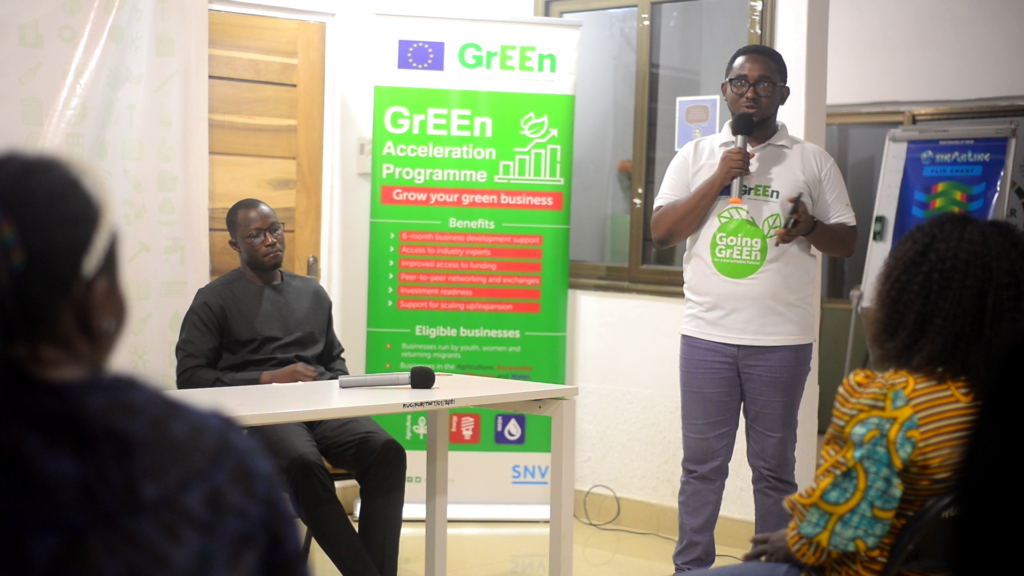
Project Lead, Obinkyere Acquah, explains the training sessions will equip the all-female participating start-ups to scale up.
“They will go through a six month phase of incubation, containing mentorship, business development, afterwards we’ll help them with GrEEn support and access to market and finance.
"We’ll also help these businesses to scale-up and support them obtain their legal accreditations,” he said.
So far, 12 small and medium-scale enterprises in the Ashanti region have undergone the training under two different cohorts.
The incubating start-ups are anticipating a life-changing six-month programme.
“After this incubation period, I’m expecting to get a lot of capacity building, market linkage, network and financial support,” Founder of Archi Pee, Priscilla Nkrumah, said.
Latest Stories
-
World Bank maintains Ghana’s growth rate forecast at 4.8% in 2026
1 hour -
Cedi was worst African currency in quarter 2, 2026 – World Bank
1 hour -
AI gains can lift three times as many people out of poverty in Ghana – World Bank
2 hours -
Police arrest suspect over jewellery theft during fire outbreak
4 hours -
EOCO returns Hanan’s £6,700, GH¢2,750 and devices after defence challenge
4 hours -
Opplift Youth Entrepreneurs Summit 2026 equips entrepreneurs with skills, mentorship and support
4 hours -
Rival clubs want range of punishments for Man City
5 hours -
Tear gas in Paris and Marseille as school protests grow across France
5 hours -
Kane inspires England to win over Czech Republic in UEFA Nations League
5 hours -
Finland orders halt to work on two Google data centres
5 hours -
Substitute Merino scores twice as Spain win in Croatia
5 hours -
Ronaldo wants Portugal ‘punishment’ but not retiring
5 hours -
White House defends Trump comment to let Iran ‘take out’ LA and San Diego
6 hours -
Asos confirms hackers sent ‘unauthorised’ notification to app users
6 hours -
US televangelist Jim Bakker, disgraced from sex scandal and fraud, dies at 86
6 hours