

Audio By Carbonatix
The Chief Executive of the Development Bank Ghana, Kwamina Duker, says changing the mindset of players in the financial industry is pivotal to increasing support to the agricultural sector.
According to him, if financial institutions understand the importance of collaborating with players in the agriculture sector, it would be easier to lend to them.
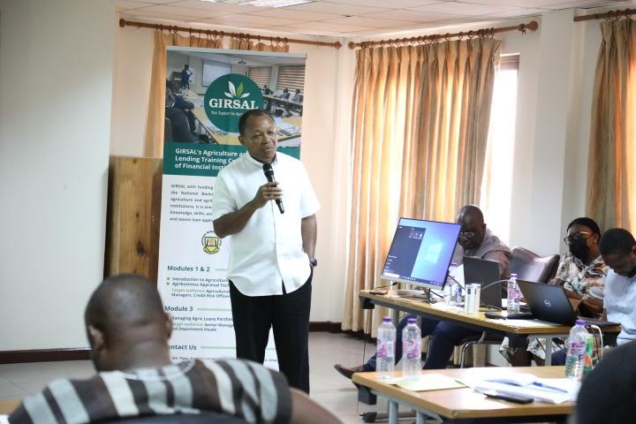
Speaking at a training session organised for financial institutions by Ghana Incentive-based Risk-sharing System for Agricultural Lending, he said, “We’ve got ourselves into a cycle where there’s blame on both sides; the SMEs are blaming the banks and vice versa and there’s no common language."
“However, the way forward is changing mindsets. So, by bringing together the banks, Development Bank Ghana and GIRSAL, we then look at the ecosystem and first ask ourselves, what is causing the risk? Is it the long-term financing? Is that we need SMEs to be more ready? Do they have a good understanding of what banks require to be able to meet loans?”
Mr. Duker believes “it’s not a matter of just giving out the money because that ends with everyone going bankrupt. So, now there’s a mindset of working together, collaborating, and connecting for the common good.”
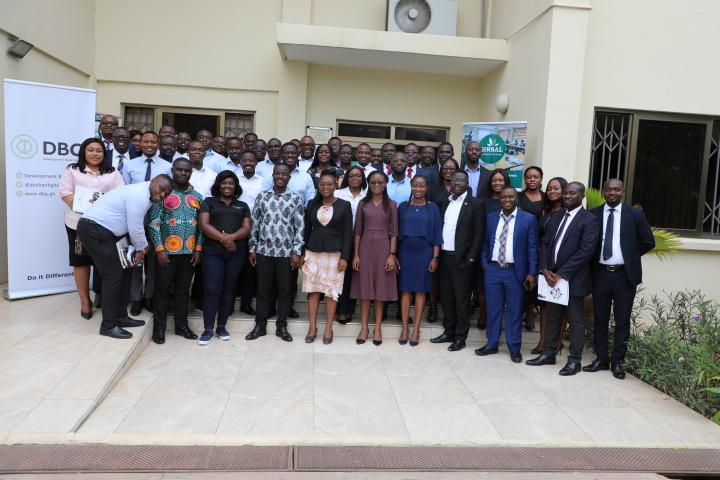
The Ghana Incentive-based Risk-sharing System for Agricultural Lending (GIRSAL) introduced the Agriculture and Agribusiness Lending Course for financial institutions in 2020 in collaboration with the National Banking College. The programme is to help financial institutions improve their capacity to access agricultural loan applications and manage agribusiness lending.
Chief Executive of GIRSAL, Kwesi Korboe, reiterated his outfit’s commitment to growing the agriculture sector.
He indicated that his outfit has identified three issues that need immediate attention.
“Recently we added advocacy to our mandates where we’re trying to look at the entirety of risk in agric financing. In fact, for this year, we have identified three critical issues; policy on exports at the Tema Port, agric production and the issue of imported chicken. These are some of the things we’re focusing on to help make recommendations to government that these challenges need to be addressed to fully realise the potentials of the sector,” he stated.
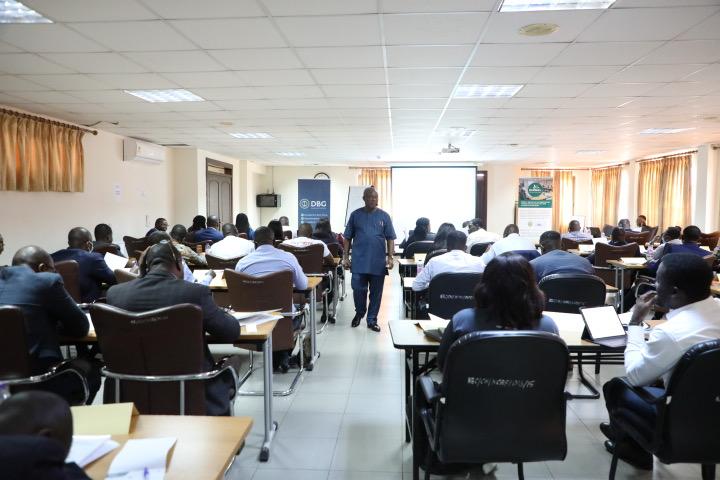
55 participants from 12 financial institutions attended the training session.
Latest Stories
-
Nana B denies claims that Kojo Bamba was his driver and bodyguard
16 minutes -
Engage Now Africa to construct a 10-unit classroom block for struggling Navrongo Vocational Training Centre
23 minutes -
One digital financial breach could expose linked accounts to fraud – Financial Crimes Manager
28 minutes -
Ghana Russia Centre signs ICT cooperation agreement with Moscow University
32 minutes -
The powerhouses of the village: Honouring Ghana’s rural women on International Rural Women’s Day
32 minutes -
Vincent Assafuah petitions CHRAJ to investigate alleged irregularities in 2026 World Cup visa arrangements
33 minutes -
12-year-old boy found dead in muddy pit at Opeikuma
34 minutes -
GHS begins Yellow Fever vaccination campaign in three Upper West districts
35 minutes -
Organised Labour pushes for higher 2027 base pay despite slowing inflation
38 minutes -
Parliament’s Human Rights Committee demands swift justice in Obuasi SHTS sexual abuse case
47 minutes -
From Campaign Propaganda to Gov’t Accountability: When the message-makers demand a seat at the table
1 hour -
Ashanti Region Security Coordinator warns sand winners to stay off Accra–Kumasi Expressway site
1 hour -
PZ Cussons Ghana promotes hand washing among schoolchildren through Camel campaign
2 hours -
30 NDC aspirants file nominations in Upper West as regional election approaches
2 hours -
UPSA launches laptop assembly plant, requiring new students to assemble their own devices
2 hours