

Audio By Carbonatix
A global alert has been issued over four cough syrups after the World Health Organization (WHO) warned they could be linked to the deaths of 66 children in The Gambia.
The syrups have been "potentially linked with acute kidney injuries and 66 deaths among children", it said.
The products were manufactured by an Indian company, Maiden Pharmaceuticals, which had failed to provide guarantees about their safety, the WHO added.
The firm has not yet commented.
The BBC has contacted Maiden Pharmaceuticals for comment.
Indian officials say they have asked the WHO to share evidence of the link between the syrups and the deaths.
The WHO identified the medicines as Promethazine Oral Solution, Kofexmalin Baby Cough Syrup, Makoff Baby Cough Syrup and Magrip N Cold Syrup.
The four products had been identified in The Gambia, but "may have been distributed, through informal markets, to other countries or regions", the WHO added, in the alert published on its website.
It warned that their use may result in serious injury or death, especially among children.
The WHO's intervention came after medical authorities in The Gambia - a popular tourist destination - detected an increase in cases of acute kidney injury among children under the age of five in late July.
The Gambia's government has since suspended the use of all paracetamol syrups and has urged people to use tablets instead.
The WHO said that laboratory analysis of samples of the products "confirms that they contain unacceptable amounts of diethylene glycol and ethylene glycol as contaminants".
The substances were toxic, and their effects "can include abdominal pain, vomiting, diarrhoea, inability to pass urine, headache, altered mental state and acute kidney injury which may lead to death," it added.
The Gambia's health officials said last month that dozens of children had died, without giving an exact number.
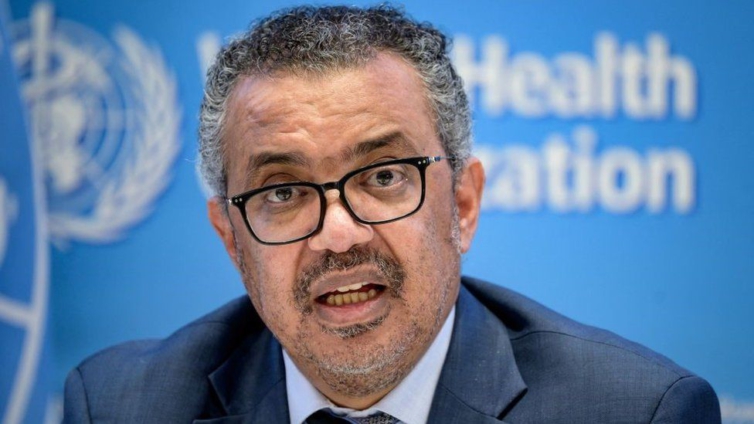
Speaking in Geneva on Wednesday, WHO chief Tedros Ghebreyesus said: "The loss of these young lives is beyond heart-breaking for their families."
The WHO said that India's Central Drugs Standard Control Organisation indicated that the manufacturer may have only supplied the contaminated medications to The Gambia, AFP news agency reports, quoting an email from the UN health agency.
But the WHO said that "global exposure" was possible as the "manufacturer may have used the same contaminated material in other products and distributed them locally or exported" them, the agency reports.
Latest Stories
-
Misinformation now one of biggest threats to democracy in West Africa – Shamima Muslim
3 minutes -
Gov’t announces implementation plan for two-day national flood aftermath clean-up exercise
11 minutes -
‘What are you doing about it?’ Ahmed Shaib questions Local Gov’t Minister over ‘Aboboya’ menace
15 minutes -
Man Utd plan naming rights deal for new stadium
28 minutes -
Quansah banned for two games after Mexico red card
31 minutes -
Creative Arts Agency rallies creatives to join National General Cleaning Exercise
37 minutes -
No Agenda 111 hospital is operational despite GH¢4.8bn spent – Health Minister
48 minutes -
Ridne Humanitarian Food Hub, Ukraine Embassy donate to flood-affected refugees
53 minutes -
GhIE set to launch new Infrastructure Report Card to assess state of critical assets
1 hour -
Gov’t paid GH¢107m to 9,090 assembly members in 2025 – Ahmed Ibrahim
1 hour -
Let’s treat weather forecasts as economic resource – Climate Change Minister
1 hour -
Ukraine strikes Russian ships near Crimea, escalating attacks on fuel supplies
1 hour -
GJA gives Central Region NDC seven days to apologise, compensate Obaatanpa Radio
1 hour -
2-day nationwide clean-up exercise to begin at 6 am in 7 regions; check out the areas in Greater Accra
1 hour -
KMA orders temporary closure of businesses for national clean-up exercise
2 hours