

Audio By Carbonatix
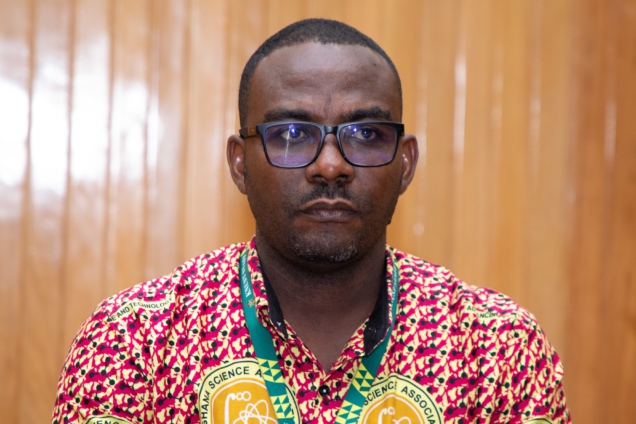
The President of the Kumasi branch of Ghana Science Association (GSA), Jacob Kwaku Agbenorhevi is attributing low standards of STEM education in Ghana to lack of teaching resources.
Prof. Jacob Agbenorhevi believes the situation is making teaching problematic and therefore calls for government’s attention.
“From the workshop, we realized that most of these teachers are from less-endowed schools, so they lack the needed resources- labs, basic apparatus, tools and reagents to perform the various practical related to the courses they are teaching.
“So it means that without these materials, they will find it difficult to teach. This means that the government and stakeholders are needed to help provide the needed resources,” he said.
He urged the government and policymakers to heed the recommendation of STEM professionals and specialists in decision-making.
“Ghana Science Association contributes to various policy-making and we expect the government to listen to the experts, from the Ghana Science Association,” he added.
Prof. Agbenorhevi was speaking at the closing ceremony of a 3-day workshop for senior high school teachers by the GSA Kumasi branch and Kwame Nkrumah University of Science and Technology.
The workshop is to ensure quality basic to tertiary education in Science, Technology, Engineering, Mathematics and related subjects.
The workshop dubbed “tailoring STEM education for National Development” will afford educators to ascertain problematic areas in learning and teaching STEM, including ICT.
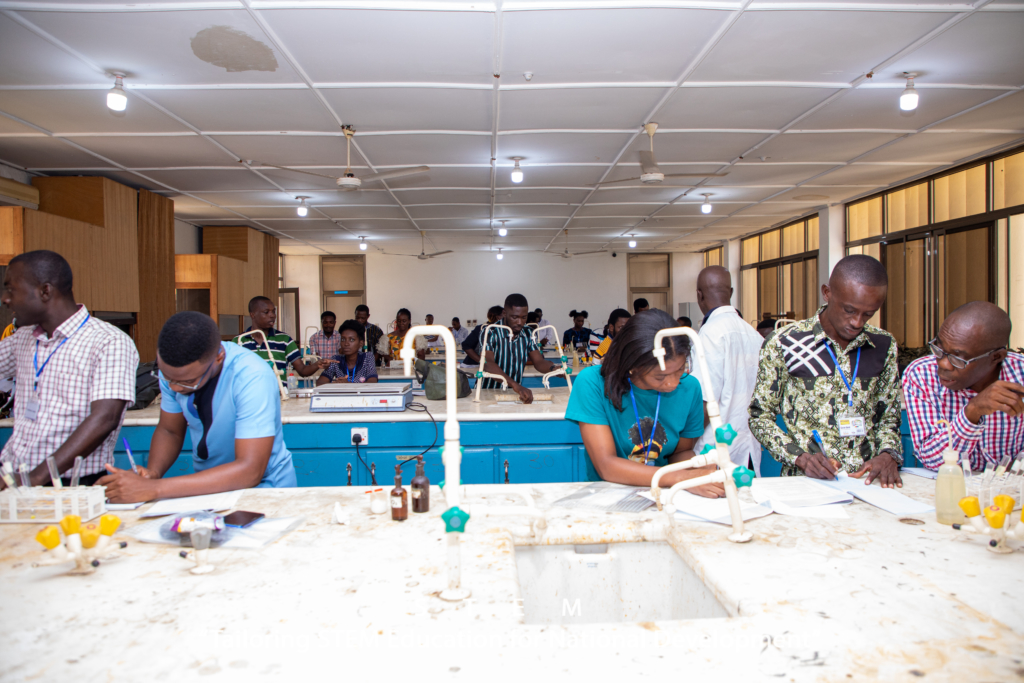
Miss Gertrude Nsiah, a biology tutor at the Kumasi Girls Senior High School was happy the workshop has been practical and impactful.
She expressed her readiness to implement guidance gotten from the workshop to mitigate the teaching challenges she encounters.
“Some topics are a bit challenging to us, especially when it comes to the practical side, but through this stem program, we’ve been taken through a lot of these difficulties. Our facilitators also helped us with some of the practicals we found difficult to conduct for our students. We are going back to implement what we have learnt, to help our students.
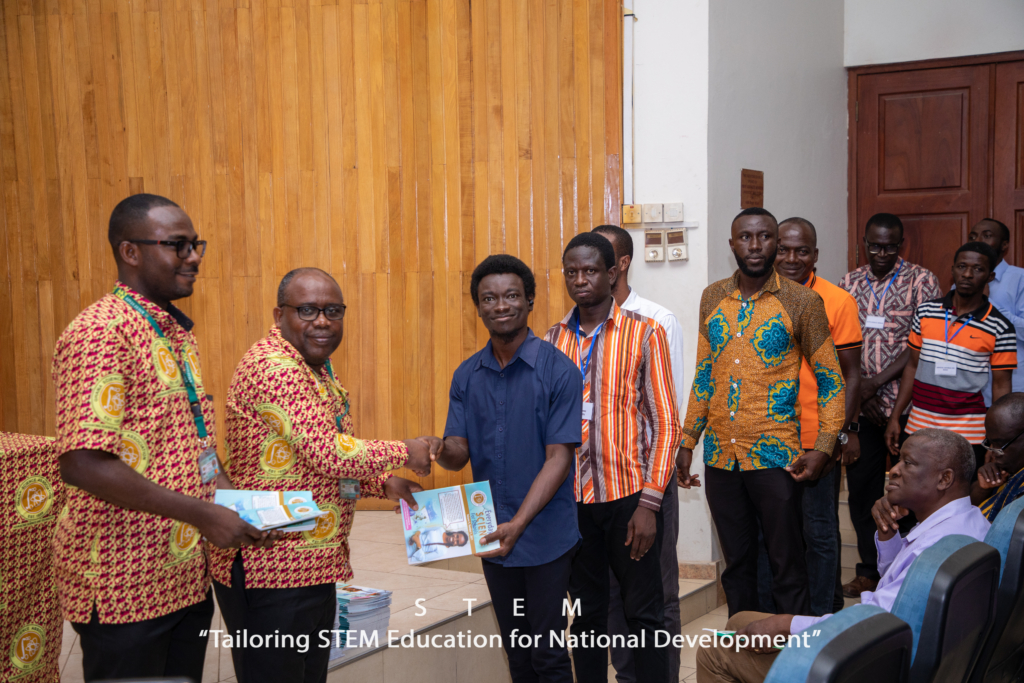
“In biology, we had challenges in cell division, respiration, glycolysis, and the topics are a bit technical and they involved chemistry too. But we have been taken through some of these topics and we know we would be able to help students very well,” she said.
Latest Stories
-
Black Princesses Coach Charles Sampson confident ahead of World Cup opener against Ecuador
28 minutes -
TV presenter among 12 sentenced to death in Egypt drugs case
32 minutes -
Accra Airport VIP Lounge project to be completed this year without taxpayer funds – Ablakwa
1 hour -
NPP clears all 47 aspirants for 2026 national officers’ election
1 hour -
Domelevo backs OSP probe into GH¢70k allegation
2 hours -
CAF Confederation Cup: Dennis Korsah confident Nations FC can overturn Mali defeat
2 hours -
Chief Justice should stop commenting on some political issues – Domelevo
3 hours -
‘I don’t trust OSP’ to probe GH¢70k ‘bribe’ allegation – Kwasi Kwarteng
3 hours -
Road inspections not to witch-hunt contractors – Kwame Agbodza
4 hours -
Inter Milan mount stunning comeback to beat Napoli
4 hours -
Modric plans to play for Croatia past 41st birthday
4 hours -
Bayern fail to score for first time in 59 games
4 hours -
Bawumia preparing new cocoa policy package for farmers – Annoh-Dompreh
4 hours -
Wa-Tumu-Bolga road upgrade will unlock agriculture, trade – Agbodza
4 hours -
Ghana Maritime Authority readies oil-spill response vessel for deployment
4 hours