

Audio By Carbonatix
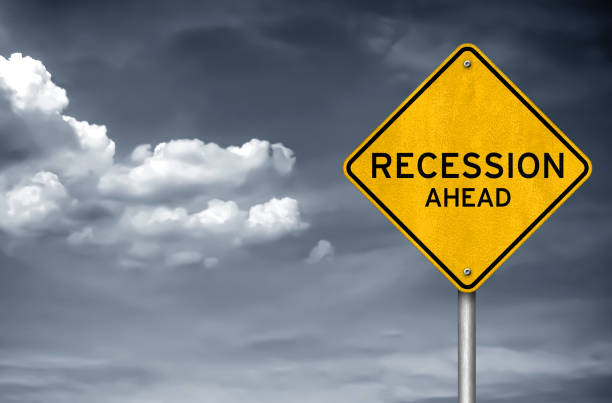
The global economy is just one more knock away from a second recession in the same decade, something that hasn’t happened in more than 80 years.
That’s the latest warning from the World Bank, which on Tuesday sharply lowered its forecast for global economic growth.
The group now projects that the world economy will expand by just 1.7% this year, slamming developing countries that have already been hit hard by the pandemic and rising interest rates. It projects growth will tick back up to 2.7% in 2024.
“The crisis facing development is intensifying as the global growth outlook deteriorates,” World Bank President David Malpass said in a statement.
Elevated inflation, aggressive central bank policy, deteriorating financial conditions and shock waves from Russia’s invasion of Ukraine are all weighing on growth.
As a result, “further negative shocks” — from higher inflation and even tighter monetary policy to an uptick in geopolitical tensions — could be enough to trigger recessionary conditions, according to the World Bank.
The global economy shrank by 3.2% during the pandemic recession of 2020, before bouncing back strongly in 2021. The world last experienced two recessions in the same decade in the 1930s.
The organization said it expects the US economy to grow by just 0.5% in 2023. The 20 countries that use the euro, which have been battered by the war in Ukraine, aren’t expected to see any aggregate expansion at all. Both forecasts are much lower than they were in June 2022.
Growth in China is projected to pick up in 2023 following the lifting of Covid-19 restrictions, rising to 4.3%. But that forecast is also down from six months ago, reflecting ongoing shakiness in the country’s real estate market, weaker demand from other countries for products made in China and continued pandemic disruptions.
“The world’s three major engines of growth — the United States, the euro area and China — are undergoing a period of pronounced weakness,” the World Bank said in its report.
This pullback will also hurt poorer countries, which have already been feeling the effects of an uncertain economic climate, lower business investment and increasing rates. Rising borrowing costs can make it more challenging to deal with high levels of debt.
By the end of 2024, economic output in emerging markets and developing economies will be about 6% below levels that had been mapped out before the pandemic, according to the World Bank. Income growth is also expected to be slower than the average in the decade before Covid, making it harder to close the gap with richer nations.
Latest Stories
-
No more pothole ambulance rides: Mahama’s roads will change lives – Agbodza tells Upper West farmers
38 seconds -
‘Physically better’ Kudus can start against Liverpool – De Zerbi
6 minutes -
Bonsu Baah sets up opener in Al Qadsiah win over Al Wasl
20 minutes -
Ghana has now become a distribution hub for drugs
38 minutes -
Africa Nations Volleyball Championship: Ghana’s Black Spikers leave for tournament in Tunisia
53 minutes -
Today’s Front pages: Tuesday, September 15, 2026
1 hour -
Auditing the Auditor-General: How special audit understated a COVID-19 expenditure
2 hours -
A Partnership for Progress: Why the ProMark–KPMG collaboration matters for Africa’s digital assets future
2 hours -
Catholic Bishops pressure gov’t to sign long-delayed mission schools agreement
3 hours -
Cedi under fresh pressure as Christmas import demand drives dollar surge
4 hours -
Ato Forson eyes first-week November for 2027 Budget, promises jobs and major infrastructure push
4 hours -
Catholic Bishops demand probe into ‘protocol admissions’ amid SHS placement challenges
4 hours -
SHS placement: Catholic Bishops demand probe into alleged payments for school places
4 hours -
Facts about Nigeria’s Dangote oil refinery Initial Public Offering
4 hours -
Trump says AI safety fears a ‘hoax’ as he rejects calls for greater safeguards
5 hours