

Audio By Carbonatix
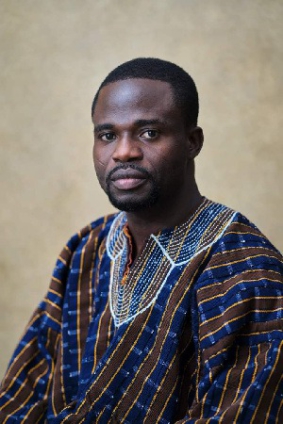
Award-winning investigative journalist, Manasseh Azure Awuni, has advised middle-class citizens who are not vocal on national matters not to attack the vociferous ones who highlight their suffering or challenges.
Speaking on Joy FM’s Super Morning Show on Friday, July 14, on why middle-class citizens hardly speak up, he expressed his disappointment in those he says are unable to voice out their plight for solutions or actions.
“So, I believe that whatever that happens in this country whether good or bad, we’re affected in one way or the other, and we should speak up, whether you’re up there or down there.”
“And if you’re down there and you cannot speak up, don’t join forces to attack and insult those who speak up on your behalf.”
“And later you accuse them of being quiet, sometimes it gets to a point where they feel there’s even no sense fighting for people who gang up with their oppressors to attack them," he said.
According to him, some middle-class citizens are only vocal when the situation directly affects them, but act nonchalantly when it does not and even go ahead to attack the category of people that voice out.
"Those who are saying the middle class is quiet, calling them out every single day, go back to 2014, 2015, 2016, they're the ones saying you talk too much, and asking if you are the only sensible person in Ghana."
"So when their opponents are in power, they complain that the middle class is quiet, but when they come into government, they want everyone to be quiet."
“Some of them have not only kept quiet but the very things they were condemning they are supporting today,” he indicated.
He urged citizens to desist from making a category of people public contractors whom they run to when they want to put something across, and rather learn to speak up on pressing issues especially if there are evidences to back their claims.
"There was a time some nursing group, were doing some illegal deductions and they were not prepared to even show their faces, and I told them, the thing is affecting you and you have evidence, why can't you as a group even speak."
"They said no, if we have to do it, then we have to do it secretly, we can't speak to them," he noted
Latest Stories
-
IGP promotes 4 police officers for role in dismantling Upper West armed robbery syndicate
3 minutes -
“Red,” tramadol, and silence: Ghana’s drug abuse crisis
3 minutes -
Late Mankessim Queen Mother’s 40-day commemoration set for September 12
17 minutes -
Sedina Tamakloe’s release was the ‘logical conclusion’ after acquittal — Amaliba
17 minutes -
KUMACA launches 70th anniversary celebration with focus on shaping character and cultivating minds
17 minutes -
Sedina Tamakloe release vindicates NPP’s selective justice concerns – Agyapa Mercer
23 minutes -
Abeiku Santana launches Tourism Destination Africa podcast to promote African tourism
32 minutes -
Sedina case: There’s nothing to appeal – Amaliba on AG’s decision to withdraw stay application
43 minutes -
Major Russian grain export terminal hit in Ukraine Black Sea port attack
57 minutes -
LA Lakers to be sold in record $12.5bn deal
58 minutes -
Sixteen inmates injured after lightning strikes US prison
58 minutes -
Bawumia, Dumelo, Afenyo-Markin, Bola Ray, others to headline Empower Vault Summit on October 14
1 hour -
Sekyedumase Community Bank sues Asokore Mampong Assembly over demolition for 24-hour economy market
1 hour -
“I’m partially single” – Tima Kumkum finally breaks silence on divorce rumours
1 hour -
I’ve been the only one taking care of my kids for 14 years; no man has helped me – Tima Kumkum
1 hour