

Audio By Carbonatix
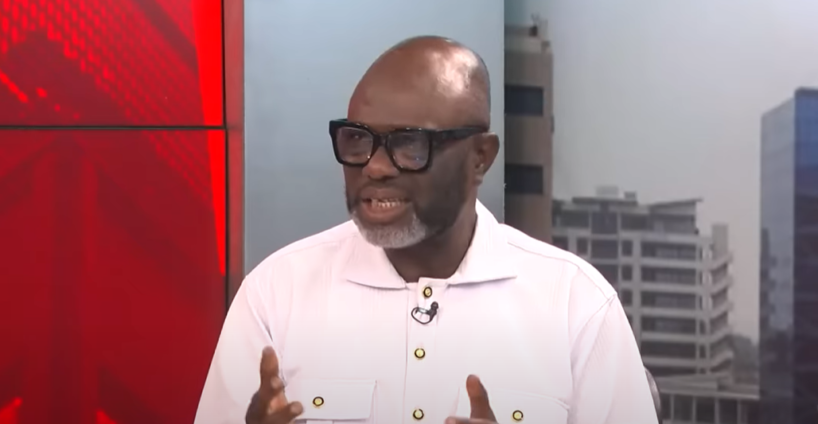
The President of the Ghana Union of Traders Association (GUTA), has said that the lack of growth in the private sector is having an adverse effect on the economy.
Speaking on The Probe on JoyNews, Dr Joseph Obeng said that the current economic crises, cedi depreciation and taxation have all contributed to the slow growth of the private sector.
“It is very important to note that the private sector is supposed to be the engine of growth, but we are not growing, as expected. If that is so, then the economy will also not grow. It is very important to create the enabling environment for us to achieve this growth that we so seek. That is the problem of Ghanaian businesses and even the larger economy,” he said.
Dr Obeng said that the private sector needs space to grow, adding that many businesses are being “overtaxed” and are unable to sustain their growth because the cost of doing business has increased significantly.
He told programme host Blessed Sogah, on Sunday, that the situation goes against the government’s aim of moving from taxation to production.
“So if the government knows this, for this reason, in 2017, they removed what they called the nuisance taxes, now the nuisance taxes are coming in different forms and shapes, including the COVID-19 level. It should be out of the table. We don't need it,” the GUTA president said.
“The COVID-19 levy came to solve a problem and because we all wanted to manage the COVID pandemic, we agreed to it. So, once it (Covid) is not there, I mean, it is only right that we take it off the table. We also have a special import levy that came because the previous government needed some push.”
“And we also accepted and they brought some sunset clauses. So, if this thing goes on, it means that we are not going to have confidence in leadership when they come and appeal for some of these things,” Dr Obeng said.
He added that since the last quarter of 2022, businesses have been suffering, with many losing a substantial amount of their capital while others are unable to import.
Dr Obeng stated that “the expectation of businesses is that we seek the reduction of taxes and then pruning down the cost of doing business so that we become competitive.”
Latest Stories
-
Fidelity Bank completes renovation of multipurpose auditorium at Police Public Safety Training School
2 hours -
Oil prices slide 2% on Iran-Oman talks to reopen Strait of Hormuz
2 hours -
Telecoms operator MTN eyes banking licences as it pushes deeper into lending
2 hours -
Show us how allegations involving MPs end – Dr Dramani demands clear path from probe to resolution
2 hours -
Mass arrests in global crackdown on West African cyber-crime networks
2 hours -
Ethiopia submits official bid to host Afcon 2028
2 hours -
We need leaders with integrity – Dramani warns supermajority Parliament over Afenyo-Markin allegations
3 hours -
Parliament scrutinises govt but cannot scrutinise itself – Dramani challenges MPs to apply their own standards
3 hours -
Partisan solidarity overrides accountability – Dr Dramani accuses Parliament of protecting its own
3 hours -
This goes beyond Afenyo-Markin – CDD warns fresh allegations could damage Parliament
4 hours -
Parliament is in crisis of confidence – CDD’s Osae-Kwapong warns fresh allegations could ceepen public distrust
4 hours -
Nigeria’s president orders rescue after mass kidnapping exposes security failings
4 hours -
Meta, US states have discussed settling teen social media harm case, Bloomberg News reports
4 hours -
All the best Savinho – welcome Savio… new club, new name for Spurs signing
5 hours -
Baleba completes £70m Man Utd move from Brighton
5 hours