

Audio By Carbonatix
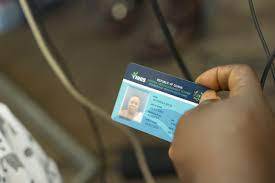
Pharmacist, Dr. Kwame Asiedu Sarpong has called for the recapitalisation of Ghana's National Health Insurance Scheme for the country to achieve universal health coverage.
According to him, the recent capping of funding going into the scheme has significantly limited the ability of the NHIS to provide the needed health coverage for the populace.
Speaking on Ghana’s kidney dialysis crisis on JoyFM’s Super Morning Show, he noted that the recapitalisation of the scheme, while it may not solve all of the country's health challenges, would be a step in the right direction to addressing the teething problems.
“We need to start a conversation about how we can recapitalize the National Health Insurance Scheme. I have always held the view that the capping of funding by this government going into the National Health Insurance Scheme is unhelpful to our health system.
“But I also agree that even if all the funds the scheme ought to receive based on the law were to go to them, it probably still will not be enough to cover most of the disease burden we have based on the trends we see going forward,” he said.
He also urged the government to take health data seriously to avert any major health crisis.
He explained that without heeding to these health trends and addressing them immediately, they morph into dire and more expensive situations for the country.
“And that is the other thing; we need to understand our data and our health checks. If you listen to Dr. Koranteng Annor, there’s a lot of research he’s done, there’s a lot of numbers he’s churning out, and the question is who is listening? We often wait until the numbers and trends become real human beings before we start firefighting. That wouldn’t work. And so we need a serious conversation around healthcare,” he said.
Dr. Sarpong also advocated for the sensitisation and education of the general populace on health issues to encourage them to seek medical care often and not just when they are in pain.
"And we need to enforce regulation,” he added.
He stressed that should the government apply honesty and due diligence to the health sector – inviting the right people to the right conversations, Ghana’s health sector could be transformed for the better.
“Everything is within our capacity to do. I have looked at countries like Rwanda, I have looked at countries like Liberia, Sudan in a paper I presented. I have heard the likes of Dr. Annor talk about countries like Kenya and Tanzania whose health expenditure is much lower than ours, but are able to provide dialysis to their citizens at a cost that doesn’t constrain them and doesn’t hasten their death. These are the things that we have to look at. So it’s about the honesty and the right conversations with the right people being at the table. That for me will be the starting point,” he said.
Latest Stories
-
Ablakwa urges African leaders to adopt new leadership paradigm to create opportunities for youth
1 minute -
Photos: Mahama holds talks with Serbian President in Belgrade
11 minutes -
Local gold refining good for economy but costs must be controlled – Economist
11 minutes -
Keir Starmer announces he is standing down as MP
12 minutes -
One still missing after Grand Canyon floods kill two and prompts rescue efforts
13 minutes -
Mahama Ayariga calls for major overhaul of Ghana’s waste management system
16 minutes -
GoldBod programme contributed just 1.3% to reserves increase – Amin Adam
17 minutes -
Drive to Inspire–Africa equips UESD students with skills for future careers
19 minutes -
Diana Hamilton reveals she experiences stage fright before performances
23 minutes -
Number of ATMs declined by 0.5% to 2,272 in 2024 – BoG
24 minutes -
Look beyond government securities, GVCA tells pension funds
24 minutes -
COCOBOD settles GH¢2.3bn DDEP obligations for 2026
26 minutes -
Police arrest 6 for allegedly killing tricycle rider over failure to make sales
30 minutes -
Mahama unveils ‘Accra Reset’ blueprint for fairer global economic order
33 minutes -
Mahama calls for stronger climate finance, renewable energy investment for developing nations
34 minutes