

Audio By Carbonatix
In 2024, the Government of Ghana is hoping to generate some GH¢176.4 billion in revenue and grants of which about 81% is expected to come from taxes.
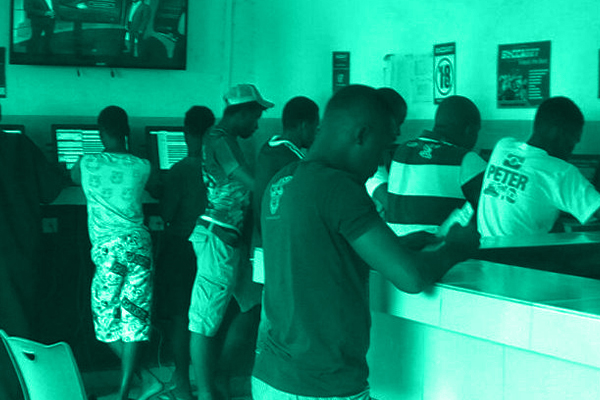
The betting and gaming industry is expected to contribute more than GH¢1.7 billion to the revenue basket in 2024 as the Ghana Revenue Authority (GRA) targets additional GH¢583 million by roping in about 1,200 Private Lotto Operators (PLOs) who have been outside the tax net since the Authority started implementing the Gross Gaming Revenue (GGR) tax as well as the withholding tax on winnings from betting and other games of chance.
In 2023, the GRA estimated to collect approximately GH¢1.7 billion from betting and gaming firms as revenue. This revenue target is projected to cross more than GH¢1.7 billion in 2024 when all the 1,200 PLOs are brought into the fold.
The Income Tax (Amendment) Act, 2023 (Act 1094) which was passed in March 2023 to, among other things, introduce a tax on Gross Gaming Revenue (GGR) to replace corporate income tax and VAT on betting and gaming, as well as introduce a withholding tax on winnings from betting and other games of chance was projected to add a significant amount to the revenue bracket in the 2023 fiscal year.
The Act also re-introduced the Minimum Chargeable Income concept. According to the Finance Minister, Ken Ofori-Atta, the full implementation of these tax measures will take place in 2024.
Ghana is presently under an IMF Extended Credit Facility (ECF) programme and is in dying need of revenue. It has assured the Fund that it is taking measures to enhance Value Added Tax (VAT) compliance, with the e-VAT invoicing system, launched in October 2022, intended to establish electronic invoicing as the sole method for issuing VAT invoices.
According to the Fund, Ghana is facing fiscal challenges primarily due to its structurally weak domestic revenue mobilization. Several reforms are expected to be implemented or planned to address this issue, such as increasing the VAT rate from 12.5% to 15%, restructuring the E-levy, removing discounts on benchmark values at customs, and revising income-based taxes.
The contribution of tax revenue to GDP under the IMF programme is expected to increase from 13.1% last year to 14% by the end of this year. The IMF expects Ghana's tax-to-GDP ratio to rise to 14.7% in the election year of 2024, 15.3% by 2025, and 16.2% by the end of 2026. The majority of tax revenue comes from the formal sector, while the informal sector's contribution has been comparatively limited.
Latest Stories
-
Divorce or bad marriage?
50 seconds -
Your comment left much to be desired – GBA condemns CJ’s remarks on SOEs
8 minutes -
Billionaire Dangote launches oil refinery ‘people’s IPO’, Africa’s biggest
12 minutes -
Richard Dogbe declares bid for NDC Greater Accra Deputy Youth Organiser
24 minutes -
M.anifest questions toxic fan culture amid fresh music industry tensions
25 minutes -
469 farmers paid compensation as Accra-Kumasi Expressway clearance progresses
28 minutes -
Malaysian boy acquitted for murder of schoolgirl on grounds of insanity
36 minutes -
Arabic, Chinese teaching debate should end after Mahama’s clarification – Asah-Asante
37 minutes -
Ashanti Regional Minister halts 24-Hour Market project in Mankranso over school demolition concerns
39 minutes -
The Forgotten “Little Children”
46 minutes -
Zambians warned not to eat dead wildlife after anthrax kills dozens of animals
48 minutes -
AG urges GBA to remain the conscience of Ghanaian society
1 hour -
24-Hour Economy: Minority questions demolition of schools, markets and other public assets
1 hour -
China criticises idea it is in ‘malicious competition’ over AI
1 hour -
Russia hits Ukrainian train shortly after Boris Johnson and top European officials leave station
1 hour