

Audio By Carbonatix
The Chief Public Affairs, Communication and Sustainability Officer of Coca-Cola Beverages Africa (CCBA), Tshidi Ramogase says the company focuses its sustainability strategy on people and driving resilient, sustainable solutions to address current and future challenges while creating positive change for the planet.
He said water is a priority for the Coca-Cola system. “The Coca-Cola Company’s 2030 Water Security Strategy focuses on increasing water security.
"We work with partners to provide access to a steady supply of clean water for people and ecosystems in the areas where we operate and source ingredients,” Ramogase stated.
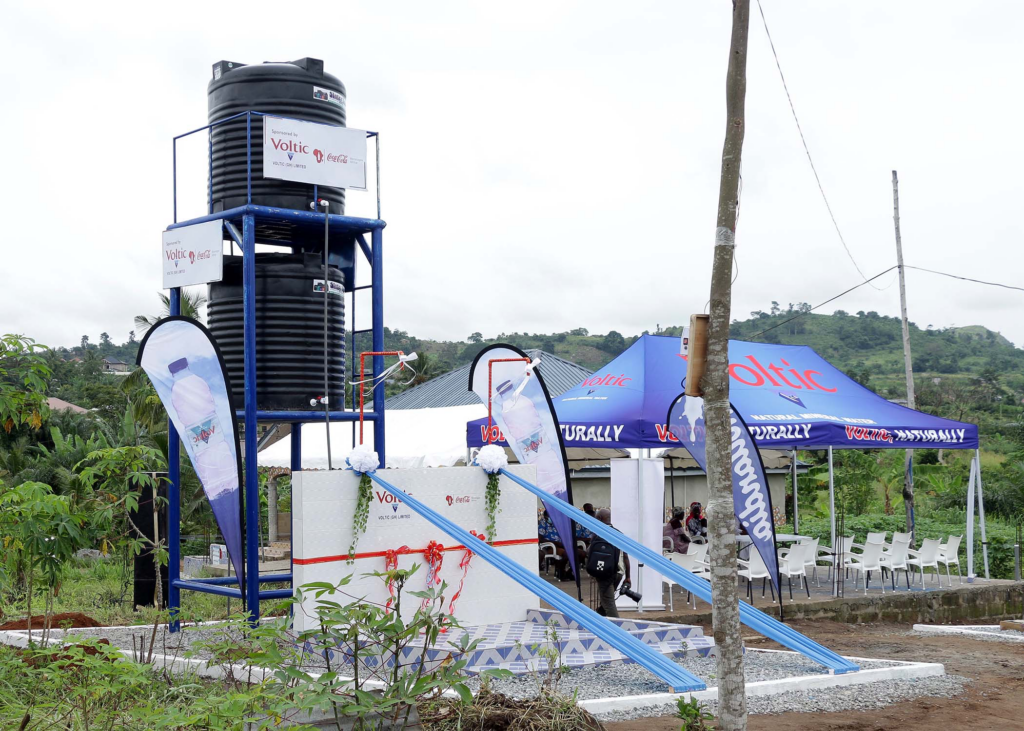
“We do that by contributing toward sustainable, clean water access that improves livelihoods and wellbeing while protecting against water-related disasters.”
In Kenya, CCBA opened a new wastewater treatment plant at the Equator Bottlers plant in Kisumu, promoting more sustainable water use and reducing the factory’s environmental impact.
“The new plant will enable us to treat and recycle wastewater generated from the production facility, which will be used for non-potable purposes such as irrigation and cleaning,” said Ramogase.
In Botswana, CCBA's subsidiary signed an agreement with the Botswana University of Agriculture and Natural Resources to donate water from its new water treatment plant for agricultural irrigation.
“The new state-of-the-art water treatment plant has made the company fully effluent compliant by ensuring that clean water is returned to the environment,” Ramogase noted.
For packaging, CCBA drives a circular economy to reduce waste and carbon emissions.
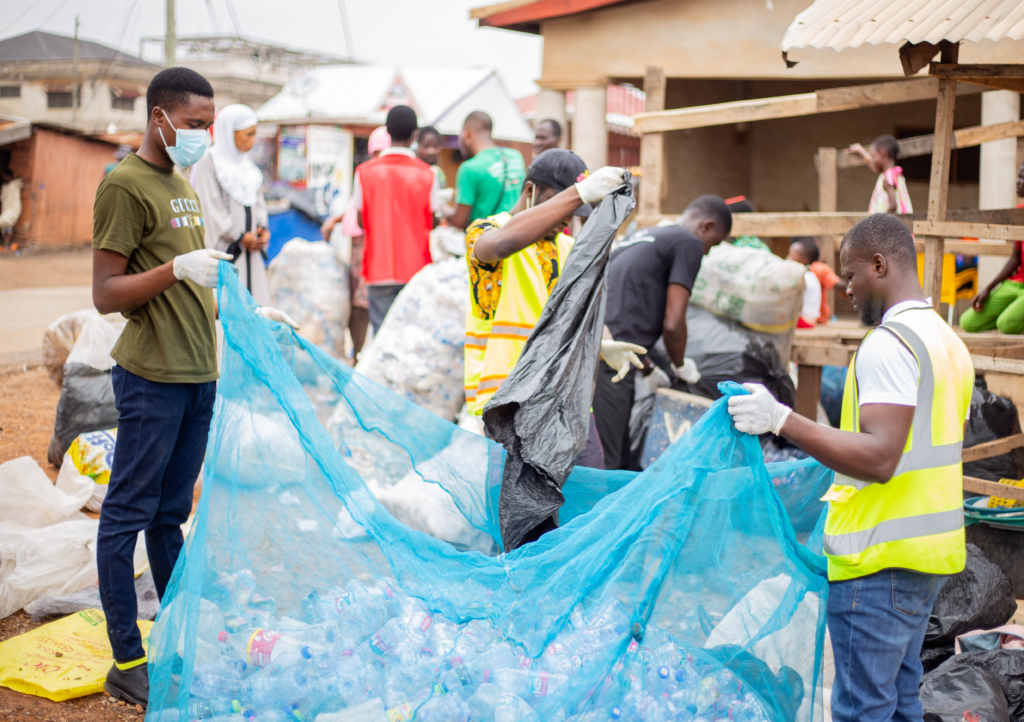
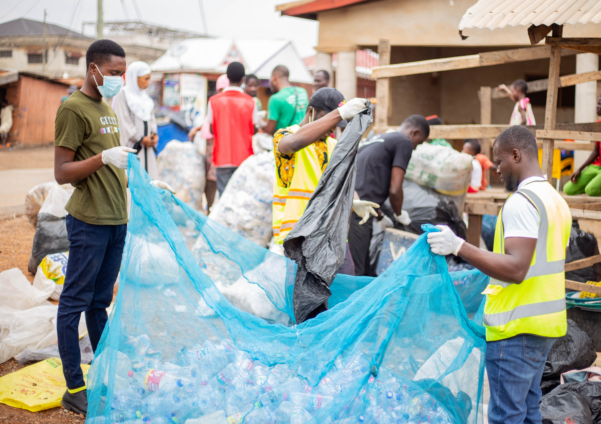
“We’re working to use more recycled content in our packaging, to expand our use of refillable bottles, and to collect packaging for recycling through Coca-Cola’s World Without Waste initiative. We also partner to design new packaging solutions,” Ramogase explained.
An example of these efforts is the PET Recycling Company (PETCO) in South Africa, established in 2004 to promote and regulate the recycling of PET plastic.
“The PETCO model has proven so effective it has been extended to three other markets, Kenya, Tanzania, and Ethiopia, with plans to include additional countries like Namibia,” Ramogase said.
“We are committed to fostering partnerships that drive collective impact in areas including water stewardship, packaging circularity, climate action, and many more. Feedback from our stakeholders allows us to learn and improve, and informs our business and sustainability strategy,” Ramogase concluded.
Latest Stories
-
Black Princesses Coach Charles Sampson confident ahead of World Cup opener against Ecuador
3 minutes -
TV presenter among 12 sentenced to death in Egypt drugs case
7 minutes -
Accra Airport VIP Lounge project to be completed this year without taxpayer funds – Ablakwa
40 minutes -
NPP clears all 47 aspirants for 2026 national officers’ election
53 minutes -
Domelevo backs OSP probe into GH¢70k allegation
2 hours -
CAF Confederation Cup: Dennis Korsah confident Nations FC can overturn Mali defeat
2 hours -
Chief Justice should stop commenting on some political issues – Domelevo
3 hours -
‘I don’t trust OSP’ to probe GH¢70k ‘bribe’ allegation – Kwasi Kwarteng
3 hours -
Road inspections not to witch-hunt contractors – Kwame Agbodza
3 hours -
Inter Milan mount stunning comeback to beat Napoli
3 hours -
Modric plans to play for Croatia past 41st birthday
4 hours -
Bayern fail to score for first time in 59 games
4 hours -
Bawumia preparing new cocoa policy package for farmers – Annoh-Dompreh
4 hours -
Wa-Tumu-Bolga road upgrade will unlock agriculture, trade – Agbodza
4 hours -
Ghana Maritime Authority readies oil-spill response vessel for deployment
4 hours