

Audio By Carbonatix
The Crops Research Institute under the Council for Scientific and Industrial Research has commenced preparations for pioneering technology trials aimed at reducing methane emissions from rice production.
The initiative under the Agroecology and Circular Economy for Ecosystem Services (ACE4ES) project, marks a pivotal moment in advancing climate-smart farming practices in Ghana.
Research has proven methane emissions are a potent greenhouse gas that impacts the environment.
The project, funded by the Climate and Clean Air Coalition under the UN Environment Program, focuses on tackling methane emissions from flooded rice cultivation.
By integrating innovative methane reduction technologies such as alternate wetting and drying (AWD) systems and biochar applications, the Institute aims to mitigate environmental impacts while enhancing agricultural productivity.
Lead for the ACE4ES project, Dr Kwaku Onwona-Hwesofour Asante emphasized the importance of these trials in addressing climate change challenges in agricultural sectors.
He indicated that reducing methane emissions from rice fields is crucial for sustainable development and climate action in rice-producing economies.
"Through rigorous experimentation and collaboration with local farmers, we aim to identify practical solutions that balance environmental stewardship with food security," Dr. Kwaku Asante said.
"We are committed to fostering partnerships and knowledge exchange to scale up successful methane reduction strategies. This project not only contributes to global climate goals but also strengthens Africa’s resilience to climate impacts, benefiting farmers and communities alike," noted Dr Kwaku Asante.
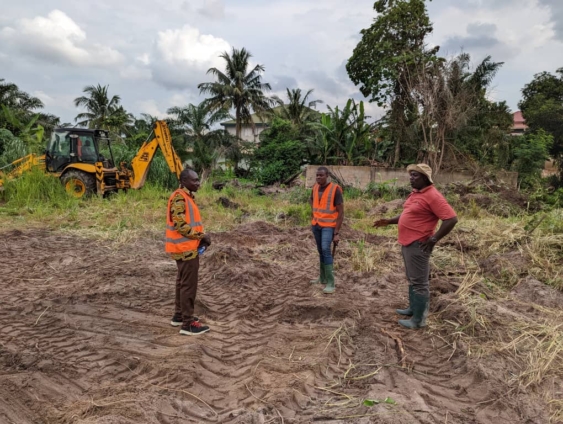
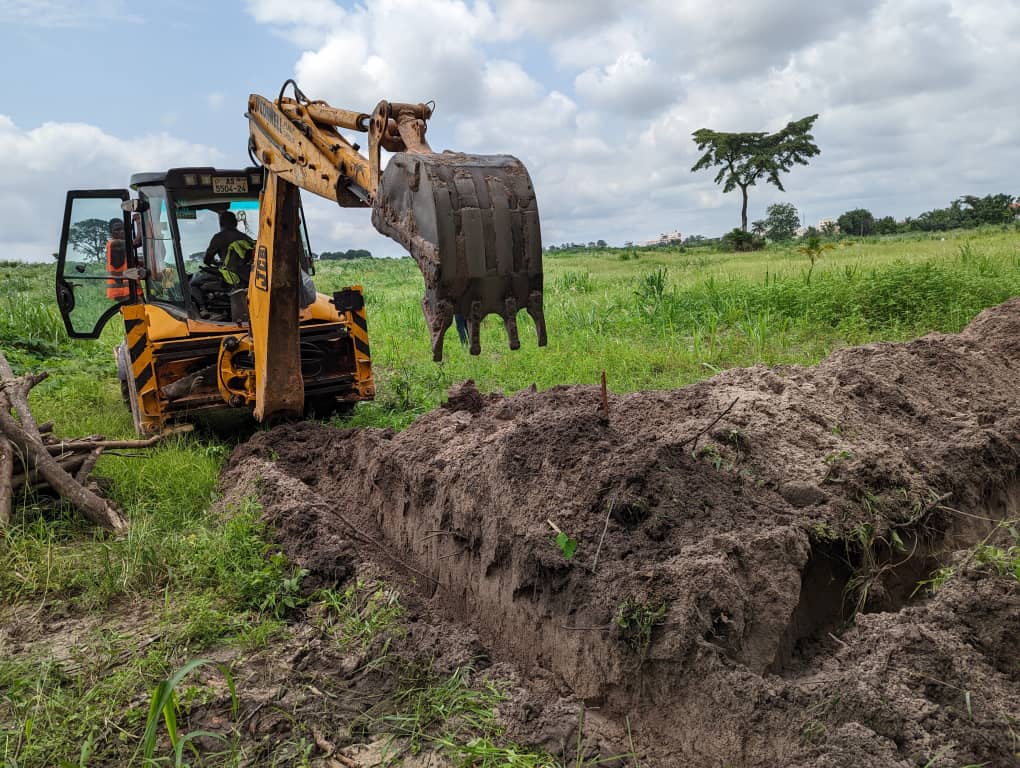
The field preparations have involved meticulous site selection and soil preparation to ensure optimal conditions for the trials.
The rice technical team consisting of Dr Charles Afriyie-Debrah, Dr Clement Oppong Peprah, Prof. Raphael Kwame Bam, Dr Maxwell Darko Asante, and Dr Felix Frimpong played essential roles during these initial stages.
The CSIR-Crops Research Institute anticipates that findings from these trials will inform national policies and encourage widespread adoption of climate-smart agricultural practices across the region.
The project is starting in four African countries including Ghana, Nigeria, Benin and Tanzania.
As the project progresses, stakeholders remain optimistic about its potential to pave the way for sustainable agricultural development in Africa and beyond.
Latest Stories
-
Trade Ministry commends Prisons Service for using art to drive inmate rehabilitation
18 minutes -
Books, brushes and second chances: Dr Abena Asomaning launches three titles to support prison outreach
25 minutes -
Treasury bill auction oversubscribed by 53.5% as yields fall across maturities
27 minutes -
NPP warns aspirants premature campaigning could jeopardise eligibility for primaries
33 minutes -
Ghana courts investors in Bangkok after exit from $3bn IMF bailout
38 minutes -
8 arrested over alleged internet fraud initiation assault in Bono Region
42 minutes -
BoG proposes 30-day liquidity buffer requirement for banks
49 minutes -
BoG plans reviews of banks’ cybersecurity compliance
55 minutes -
GRA cautions taxpayers against attacking tax officials
1 hour -
Invest Ghana Summit to drive value addition, industrialisation
1 hour -
Sports Ministry denies involvement in World Cup visa scandal, calls for probe
1 hour -
Ghana earns top US ranking in fight against human trafficking
1 hour -
Education Minister commends teacher unions for suspending nationwide strike
1 hour -
‘Farmers Services Centres to be game changer for Ghana’s agriculture’ – Mahama
2 hours -
WIWIK launches new leadership development pathway for Ghanaian university students
2 hours