

Audio By Carbonatix
In its 2024 Mid-Year Budget Review, the Institute of Statistical, Social and Economic Research (ISSER) has called for stringent measures to combat rent-seeking activities and enhance efficiency at Ghana’s ports.
The review, titled “A Critical Assessment of the 2024 Mid-Year Budget by ISSER,” highlights the need for structural reforms to address revenue leakages and improve tax collection.
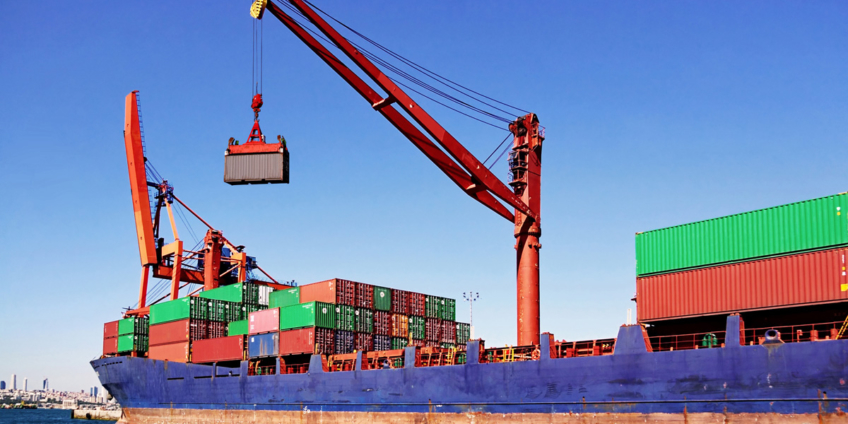
ISSER recommends harmonising the number of government agencies operating at the ports to reduce human interface and revenue losses. This streamlining aims to curb rent-seeking activities by personnel involved in revenue collection.
One of the key strategies proposed is the rotation of personnel stationed at the ports every two years to prevent the entrenchment of corrupt practices.
The review states, “Harmonize the number of government agencies operating at the ports to reduce the human interface and revenue losses, thus reducing rent-seeking activities by personnel collecting revenues at the port. This can also be achieved by rotating personnel stationed at the ports every two years.”
Furthermore, ISSER emphasizes the importance of transparency and accountability among Ghana Revenue Authority (GRA) staff. The review recommends that GRA personnel complete asset declaration forms to ensure they are not engaging in or establishing firms involved in clearing services until five years after retirement.
This measure is intended to prevent conflicts of interest and ensure that GRA staff remain focused on their official duties.
“Additionally, GRA staff should complete asset declaration forms and not engage with or establish firms involved in clearing services until five years after retirement. The ports are major sources of revenue, and sealing leakages can significantly shore up the Tax GDP ratio,” the review continues.
The ports are crucial revenue sources for Ghana, and addressing inefficiencies and corrupt practices at these entry points can substantially boost the country’s Tax GDP ratio.
By implementing these recommendations, ISSER believes that Ghana can improve its fiscal health and create a more transparent and efficient port operation system.
The review’s proposals are part of broader fiscal measures aimed at enhancing revenue generation and expenditure control to stabilize Ghana’s economy and promote sustainable growth.
Latest Stories
-
‘The future is bright’ – Gyan backs Black Princesses squad after U-20 World Cup exit
18 seconds -
We should treat AI has an opportunity rather than a threat – ALX Enterprise
8 minutes -
Malta and Ghana set sights on practical AI partnership
11 minutes -
2026 U-20 WWC: ‘Not all wishes come true’ – Gyan inspires Black Princesses after elimination
16 minutes -
‘I am not a magician’ – Zdravko Logarušić on Nations FC exit from Africa
30 minutes -
Three nights. 28 titles. Ultimate history made
40 minutes -
Ghanaian delegates at IYF 2026 could become bridges for stronger Russia ties – John Aggrey
45 minutes -
Nigeria: Over 30 dead, 50 hospitalised after consuming alcoholic substance in Ondo State
47 minutes -
UK lawmakers demand new law to address AI threat to human rights
56 minutes -
WAFU B U-17 Girls Cup: Black Maidens depart Accra for tournament in Yamoussokro
56 minutes -
Sweden’s center-left bloc narrowly ahead as election remains too close to call
1 hour -
GPL 2026/27: ‘We won ugly’ – Kotoko head coach unimpressed after Lions victory
1 hour -
7 out of 10 human trafficking cases in Ghana never reach prosecution — JoyNews Research
1 hour -
Music, football to converge at Music Meets Football Summit 2026 in Lusaka
2 hours -
Putin invites young global leaders to partner with Russia in shaping future world order
2 hours