

Audio By Carbonatix
Ghana Health Service has expressed deep concern over the significant rise in cases of measles and rubella, which have surged by more than 100 per cent in the past two years in the Ashanti Region.
This alarming trend highlights a growing public health issue that officials are struggling to contain.
Despite intensified efforts by health officials to combat the spread of these diseases, the number of reported cases continues to escalate.
In 2021, only four cases of measles were recorded, but this figure jumped to 24 cases in 2022.
By 2023, the situation worsened further, with 79 reported cases, and the trend has not abated in 2024, which has already seen an alarming 119 cases.
Dr Fred Adomako Boateng, the incoming Director of the Ghana Health Service in the Ashanti Region, has attributed the surge in cases to gaps in vaccine administration.
His comments underline the critical role that immunization plays in preventing outbreaks of these preventable diseases.
“As the number of unvaccinated children rises, the likelihood of outbreaks is very high. And if you will bear with us, remember last year, some of the northside and even here, we started having a lot of measles cases. Measles-rubella’s complications are something that you cannot really pay for."
“And you never know who is going to be at risk and I believe that you don’t want your child to have to be blind or to be deaf. And this is the opportunity that you have that you can vaccinate your child against measles and rubella.”
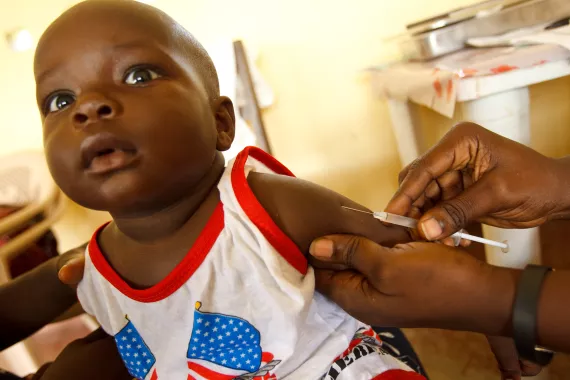
In response to this concerning situation, health authorities are launching a supplementary campaign for measles and rubella vaccination.
This initiative is scheduled to take place from October 2 to October 6, 2024, aiming to enhance vaccination coverage and protect vulnerable populations, particularly children.
The campaign seeks to address the vaccination gaps identified by health officials and curb the rising cases of measles and rubella in the region.
With the ongoing efforts to raise awareness and increase vaccination rates, health authorities hope to reverse the current trend and safeguard public health in the Ashanti Region.
Latest Stories
-
Former Nandom MP Ambrose Dery declares intention to contest again in 2028
8 minutes -
GSE delivers 75% year-to-date return for investors as of July 2026
10 minutes -
IDEG: NDC, NPP disagreement over local elections hindering decentralisation reforms
15 minutes -
Wontumi appeal has no reasonable chance of success – AG opposes bail application
17 minutes -
2026 National Youth Conference: Osman Ayariga challenges youth to prioritise character and patriotism
19 minutes -
2026 National Youth Conference: Osman Ayariga calls for stronger youth participation in decision-making
20 minutes -
MTN Ghana delivers strong H1 2026 performance driven by data, digital and fintech growth
21 minutes -
GNFS rescues fuel tanker driver and mate in Tamale
21 minutes -
Comparing ourselves to NPP is setting the bar at ground level, NDC must aim higher – Opong-Fosu
29 minutes -
GAUA strike: KNUST administration offices opened but essential IT services hampered
32 minutes -
T.I. AMASS, Wa breaks decade-long jinx to qualify for NSMQ national contest
43 minutes -
Bond market: Turnover surges 148.95% week to GH¢5.67 billion
44 minutes -
No policy to impose Arabic on Ghanaian students — Education Ministry clarifies
44 minutes -
Prof Bokpin laments poor road network, calls for emergency action on Accra-Kumasi highway
47 minutes -
NPA Deputy CEO Dr Dramani Bukari Ecomog dies in London
50 minutes