

Audio By Carbonatix
Ghana has taken a monumental step towards building a more sustainable future by unveiling a comprehensive roadmap to decarbonise the building and construction sector.
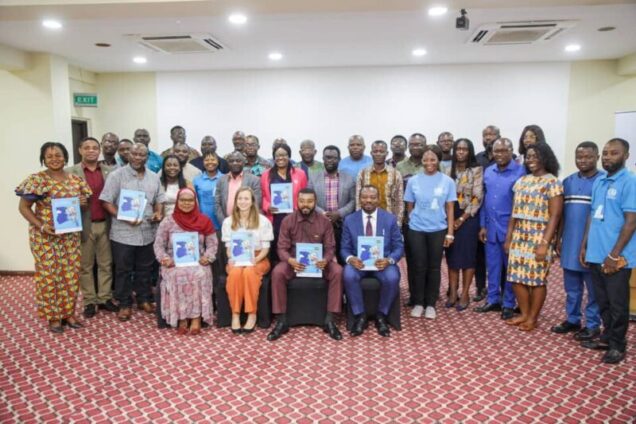
The roadmap, launched on October 24 at the AH Hotel in Accra, aims to significantly reduce carbon emissions across the entire construction value chain.

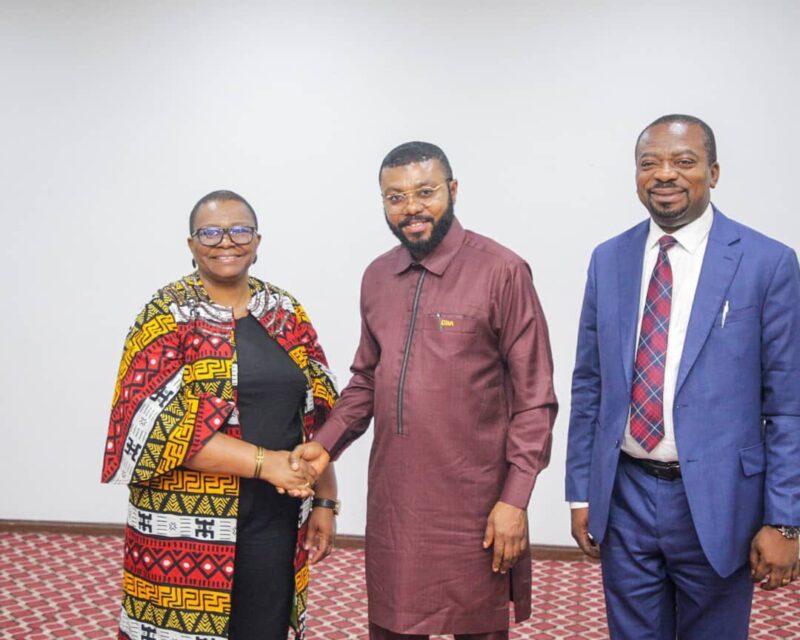
Speaking at the launch, the Deputy Minister of Housing, Dr. Prince Hamid Armah, emphasized the importance of this initiative, describing it as a “transformative” and “pivotal step” in the nation’s journey toward environmental sustainability.
“This moment marks a pivotal step in our collective effort to create a more sustainable, resilient, and environmentally responsible built environment in Ghana,” Dr. Armah declared.
In collaboration with UN-Habitat and UNOPs, the Government of Ghana has crafted this roadmap as part of broader efforts initiated in November 2023 under the “Transforming the Built Environment through Sustainable Materials” program.
The roadmap seeks to address the construction sector’s significant contribution to global climate change.
“The building sector is a major contributor to climate change. According to the United Nations Environment Programme, this sector accounts for over 37% of global energy-related carbon emissions,” Dr Armah highlighted, emphasising the urgent need for action.
He further pointed out the staggering statistics linked to the industry’s environmental impact, including its consumption of 40% of global energy and 30% of raw material extraction.
Key strategies outlined in the roadmap include the promotion of energy-efficient systems, green building materials, water conservation, and the adoption of innovative technologies.
“This roadmap is not just a document; it is a blueprint for meaningful change,” Dr. Armah stated.
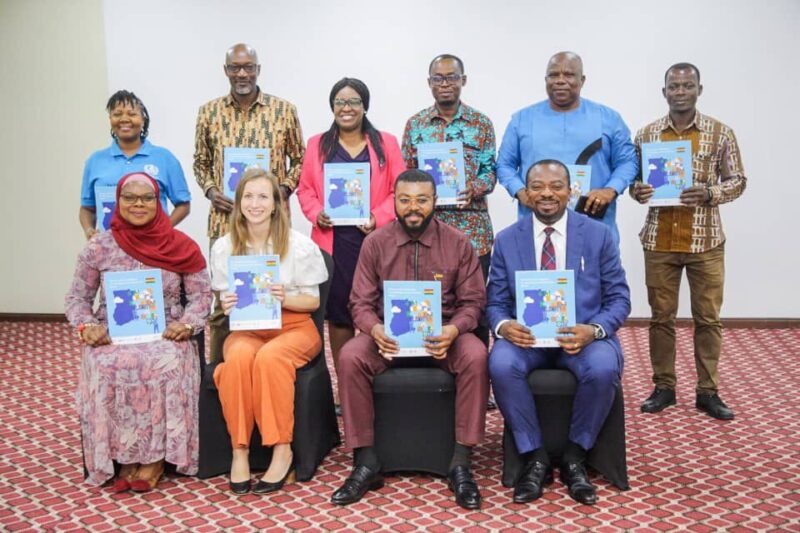
He also stressed that collaboration from all stakeholders is crucial to the success of the roadmap.
As Ghana continues to experience rapid urbanisation, with an urban population of 58%, the demand for sustainable construction practices has become more urgent.
Dr. Armah urged stakeholders—government entities, the private sector, financial institutions, and civil society—to work together to ensure that Ghana’s built environment reflects its values, culture, and commitment to sustainability.
In conclusion, the Deputy Minister launched the roadmap with a hopeful message: “Let it inspire action, encourage partnerships, and drive the innovation needed to build a future we can all be proud of.”
Latest Stories
-
It’s Ghana’s shame to denigrate Nkrumah when the whole world honours him as African of the Century – Asiedu Nketiah
6 minutes -
No other nationalist can compare to Nkrumah – Asiedu Nketiah
13 minutes -
Collateral Registry: Foreign banks accounted for GH¢19.9bn of secured credit in quarter 2, 2026
13 minutes -
This government should expect scrutiny – Asiedu Nketiah
38 minutes -
Two-year-old girl dies in domestic fire at Cantonments
1 hour -
Asiedu Nketiah urges better working conditions for journalists
2 hours -
JoyNews’ Precious Semevoh wins climate change reporting award at Bono GJA Awards
2 hours -
Kumasi Central Market phase 2 to begin in October after years of abandonment
2 hours -
Sentuo offers fuel supply reassurance as NPA sees steady output through December
3 hours -
Ghanaian smock showcased at Lesotho Tourism Summit
3 hours -
Four pupils to one desk: The painful plight of schools in New Juaben North
4 hours -
Ipswich launch investigation into racist abuse of Abdul Fatawu
4 hours -
Arrest of Techiman nurse is purely political persecution – ‘Ghana Jollof’
4 hours -
Isak nets winner as Liverpool edge Bournemouth
5 hours -
I dare gov’t of Ghana to extradite me; they can never do it – ‘Ghana Jollof’ speaks
5 hours