

Audio By Carbonatix
The Akosombo Dam floods were not just a natural calamity; it was a test of governmental commitment to its citizens. One year later, that test remains unpassed.
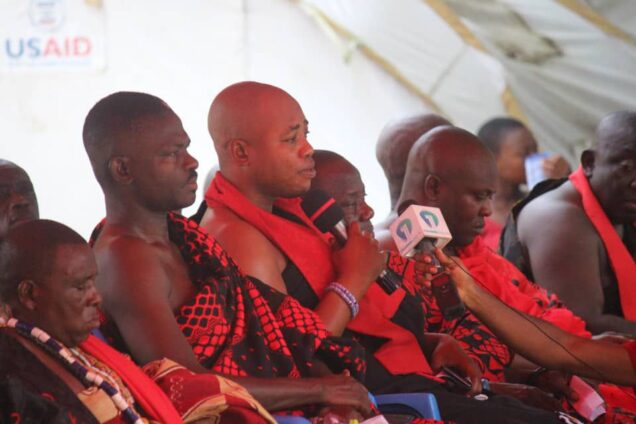
The anniversary of the disaster, marked by a gathering at the Degorme camp in Mepe, underscored the glaring gaps in disaster management and recovery efforts.
Despite occasional visits by government officials, tangible support remains absent. Over 200 individuals still live in makeshift shelters, battling exposure to harsh weather and health risks.

The MDA’s expenditure of over GH₵100,000 on camp maintenance is a testament to the community’s resilience but also highlights the absence of state intervention.
The Member of Parliament for North Tongu, Samuel Okudzeto Ablakwa, is leading efforts to seek legal redress. His initiative raises questions about governmental accountability and the mechanisms in place for disaster compensation.
The community’s demands, including compensation, housing, and psychological support, are not extraordinary—they are basic expectations in the wake of such disasters. The lack of response points to systemic inefficiencies that need urgent attention.
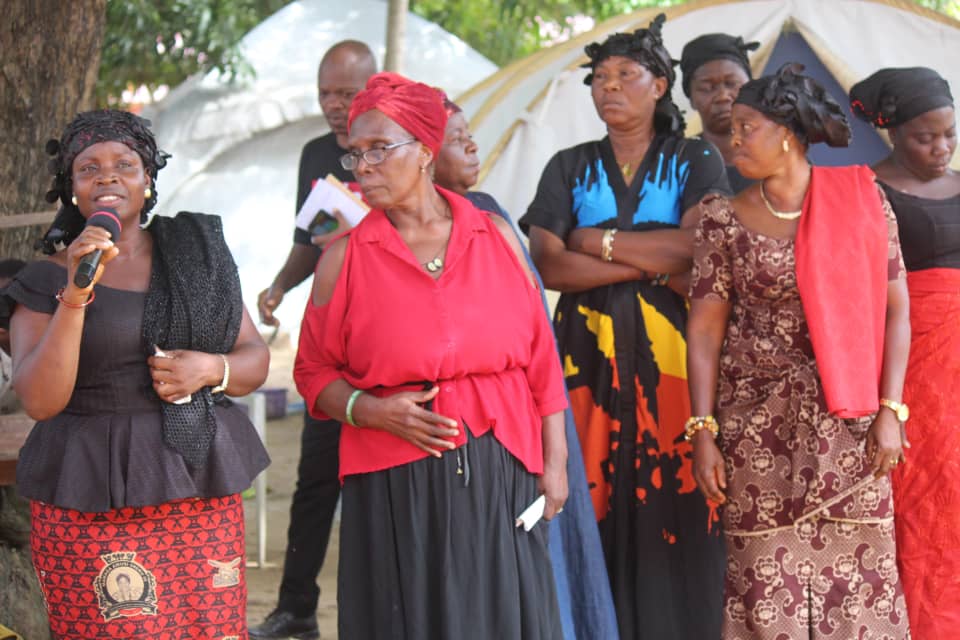
The disaster has reignited calls for a comprehensive national policy on disaster management. Stakeholders argue that such policies must prioritise prevention, swift response, and adequate post-disaster support.
Mepe’s proactive steps—conducting detailed data collection, maintaining the Degorme camp, and initiating vocational training projects—set an example of grassroots resilience. However, such efforts cannot replace the need for robust state action.
As Mepe remembers its darkest hour, the question lingers: Will the government rise to the occasion, or will the cries of displaced people fade into oblivion?
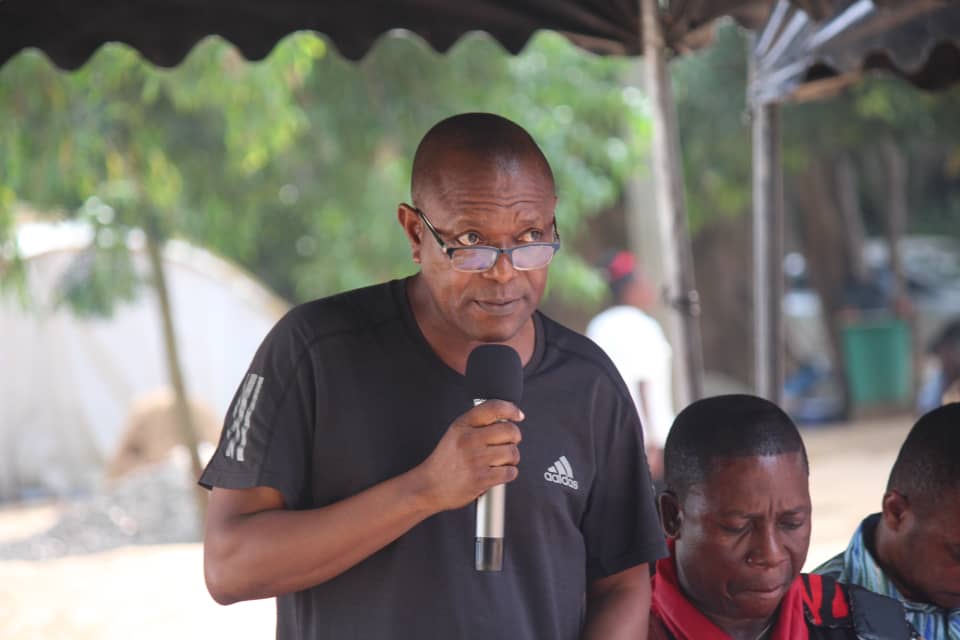
Chairman of the Mepe Development Association (MDA), Fabian Mawulenu Kojo, in his speech, highlighted the lingering struggles of the affected and the perceived failure of state intervention.
He said the government and its allied agencies should adequately and properly engage the Mepe Development Association, the traditional council and all other relevant stakeholders within the locality in all its engagements for the successful implementation of any of its intended interventions.
Latest Stories
-
Allround Baby Pants launched in Ghana to ease diapering for mothers
16 minutes -
Aggrieved Gold Coast Fund Management Company customers to petition Mahama over locked-up funds
32 minutes -
NSMQ 2026: PRESEC, Legon dethrones defending champions Mfantsipim in thrilling battle to book semi-final spot
46 minutes -
Ghana’s cashew industry faces processing gap as Côte d’Ivoire moves to capture more value
57 minutes -
“Our greatest wealth is not in our soil but our people” — Upper West Minister
1 hour -
Luex Healthcare launches children’s health education book series with Luey the Lion
1 hour -
NAGRAT urges gov’t to communicate early if September deadline cannot be met
2 hours -
We trust government to meet September deadline on teachers’ promotions – NAGRAT
2 hours -
“We dare not fail” – Gov’t promises to honour teachers’ promotion pay deal
2 hours -
The GH¢19.8 billion mirage: Inside Ghana’s state enterprise turnaround
2 hours -
Luv FM High School Debate: KNUST SHS and Osei Adutwum SHS set up thrilling final after dramatic semi-finals
2 hours -
KNUST AI Coordinator urges structured adoption of AI in teacher education
3 hours -
Nepal rescuers blast hillside in search of hydropower workers as families wait anxiously
3 hours -
Teachers who pass promotional exam to get January 2026 start date after gov’t resolves promotion dispute – Dr Apaak assures
3 hours -
NSMQ 2026: St. John’s School rally from slow start to book semi-final spot
3 hours