

Audio By Carbonatix
Environmental health officers in the Greater Accra Region have been tasked with enforcing air quality regulations and adopting measures to reduce methane emissions and improve waste management.
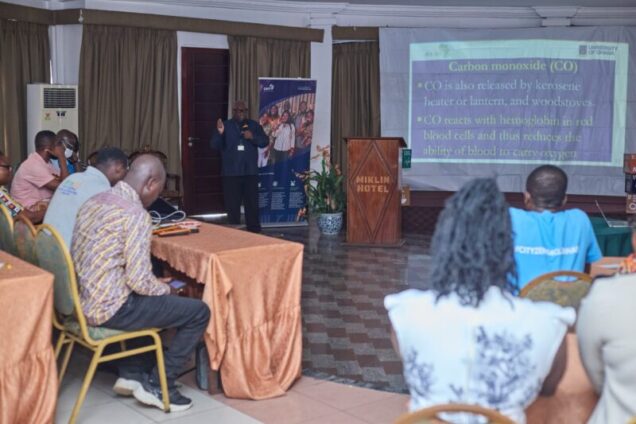
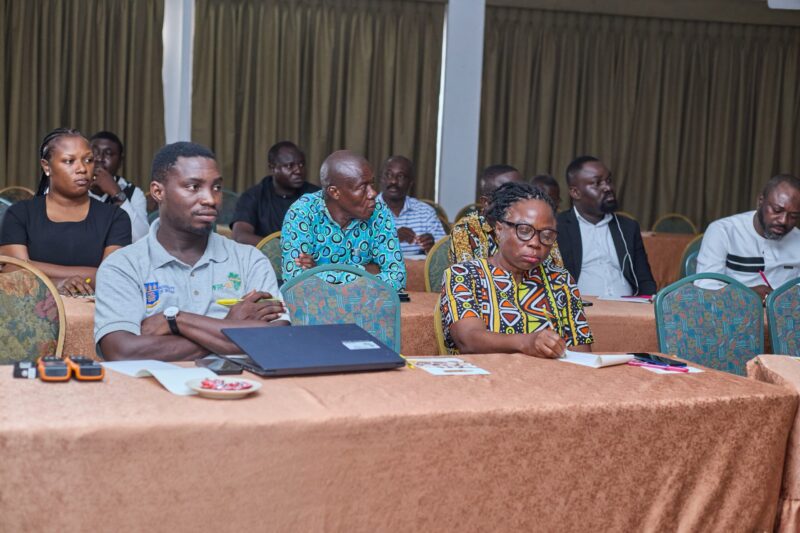
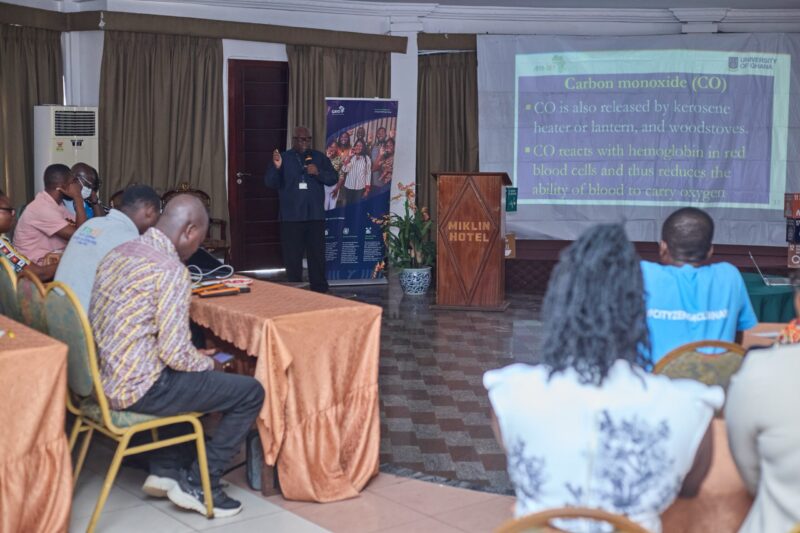
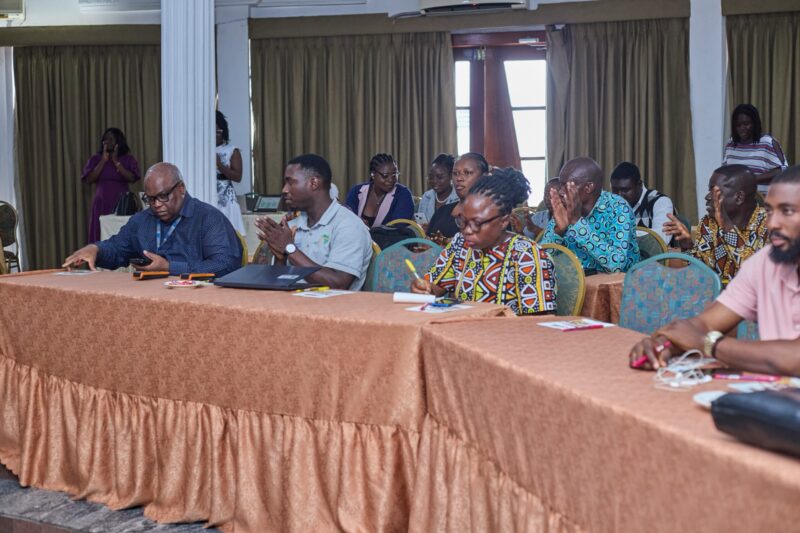
This directive was given during a training session organised by the Green Africa Youth Organisation (GAYO) under its Zero Waste Cities Project.
The training aimed to equip officers with the knowledge and skills necessary to combat the growing challenges of air pollution and its devastating effects.
Air pollution includes harmful substances like PM2.5, extremely tiny particles that penetrate deep into the lungs, causing serious health complications. Experts at the training highlighted the risks posed by these microscopic pollutants.
“Car exhaust, industrial emissions, and open burning are silent but deadly threats to human health,” said Dr Allison Hughes, a senior lecturer at the University of Ghana.
Recent data underscores the severity of the situation. Air pollution has become the second leading global risk factor for death, surpassing diseases like malaria and HIV/AIDS.
A UNICEF-backed report revealed that in Ghana, at least 28,000 people died from air pollution in 2019—more than the combined fatalities from malaria, tuberculosis, and HIV/AIDS. Dr. Hughes urged swift action.
“We need to implement laws to ensure compliance. Cleaner fuels, proper recycling, and vehicle emission controls can make a significant difference,” she said.
Mabel Laryea, GAYO’s Accra Project Coordinator, stressed the critical need to address methane emissions, which she described as “80 times more harmful than carbon dioxide.”
She explained, “Methane is produced when organic waste decomposes in landfills without proper sorting.
"By educating communities on waste segregation and advocating for composting, we can significantly reduce this harmful gas and its contribution to global warming.”
She called for enhanced education campaigns to equip officers with the tools to educate communities on waste segregation and the environmental harm caused by improper disposal.
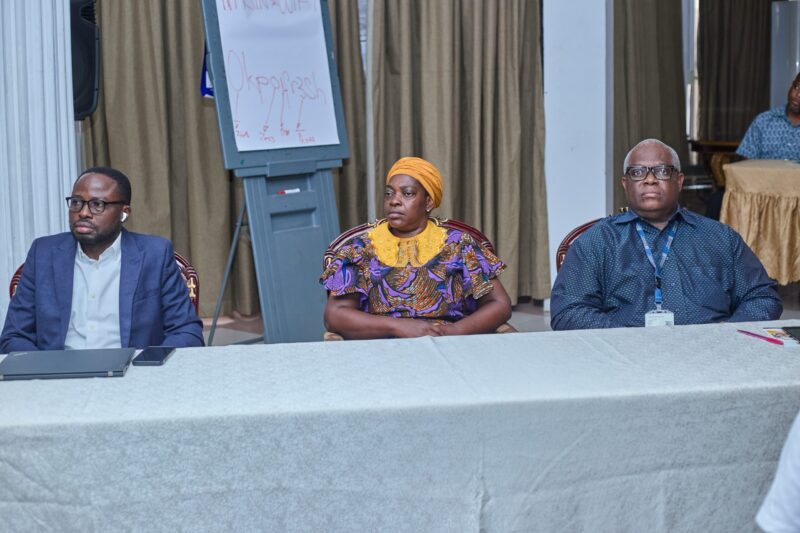
Mrs. Sybil Marie-Boison, Greater Accra’s Regional Environmental Health Officer, advocated for integrating air pollution studies into the curricula of Ghana’s Schools of Hygiene.
“The theory was done but the practical aspects are not being done. And then I also realized that part of this regulatory enforcement has to be done. Go to the schools.
"Check their curriculum and then make sure the air pollution as we’ve learned here is done at the school,” she said.
She also stated the importance of broader community education on the health risks posed by air pollution.
Abass Ibrahim, a municipal environmental health officer, described the training as transformative.
“In fact this meeting is timely if I may say because we are battling with air quality, and so in fact I have learned a lot and I’m transformed. I am sure that my colleagues have also learned a lot,” he said.
Achieving Accra’s goal of reducing emissions by 30% by 2030 demands collaboration from every sector.
The path to cleaner air and healthier communities is clear, but only through collective action can this vision become a reality.
Latest Stories
-
Algeria claim first-ever podium finish after penalty shootout win over hosts Morocco
12 minutes -
NPP struggled even in traditional strongholds in 2024 – Annoh-Dompreh
20 minutes -
NPP must elect strong parliamentary candidates to reclaim Greater Accra seats – Patrick Boamah
29 minutes -
Abdul-Aziz Abdu-Rahaman elected NPP Upper West Regional Chairman
32 minutes -
Iddrisu Sulemana edges Clifford Braimah to become NPP Savannah Regional Chairman
34 minutes -
‘Arrogance of power’ is driving voters back to NPP in Ashanti Region – Paul Adom-Otchere
44 minutes -
They demolish buildings and tell us they’re building 24-hour markets – Paul Adom-Otchere
58 minutes -
NPP’s 2024 Bolgatanga Central Parliamentary Candidate elected Upper East Regional Chairman
1 hour -
Incumbent Northern NPP Chair wins as new faces break through in party executive elections
1 hour -
Former Health Minister Okoe Boye elected NPP Greater Accra Regional Chair
1 hour -
Joseph Kobinah Esibu elected NPP Central Regional Chairman
2 hours -
Fernandez booed by Chelsea fans as Alonso offers glimpse of blueprint
2 hours -
PSG sign World Cup winner Torres from Barcelona
2 hours -
Odeneho Kwaku Appiah beats former EPA boss Kokofu, to emerge NPP Ashanti chair
2 hours -
TDC defends statutory mandate, says its authority to develop Tema predates TMA
2 hours