

Audio By Carbonatix
A team of health professionals from leading universities in Ghana are conducting a two-year research project on "Underutilised and Neglected Species" (NUS) and how to reintroduce them into the Ghanaian food system.
The project aims to identify NUS, which are indigenous food items in the country, and examine the factors driving their extinction and how to reintroduce them.
The research will also explore the health benefits of these foods and encourage their local and commercial consumption. A key objective of the research is to advocate for the inclusion of these traditional foods in Ghana’s school feeding programme.
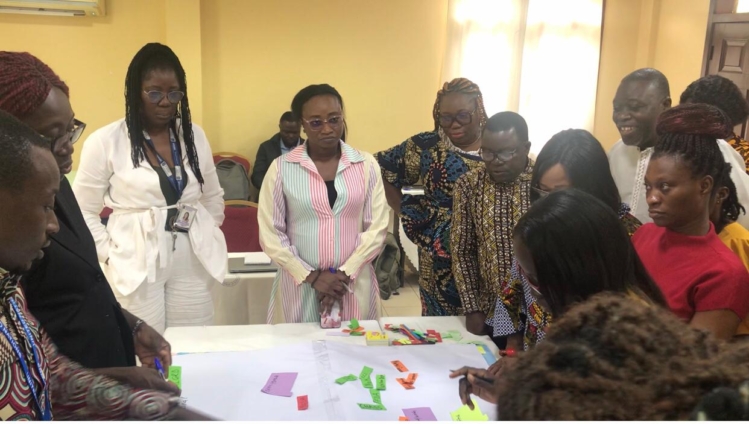
On Monday, December 2, the research team, led by Prof Francis Zotor of the University of Health and Allied Sciences (UHAS), Ho, met with stakeholders from various sectors, including the School Feeding Secretariat, the Ministry of Education, the media, and the Ministry of Health, to conduct a net-mapping exercise related to the research.
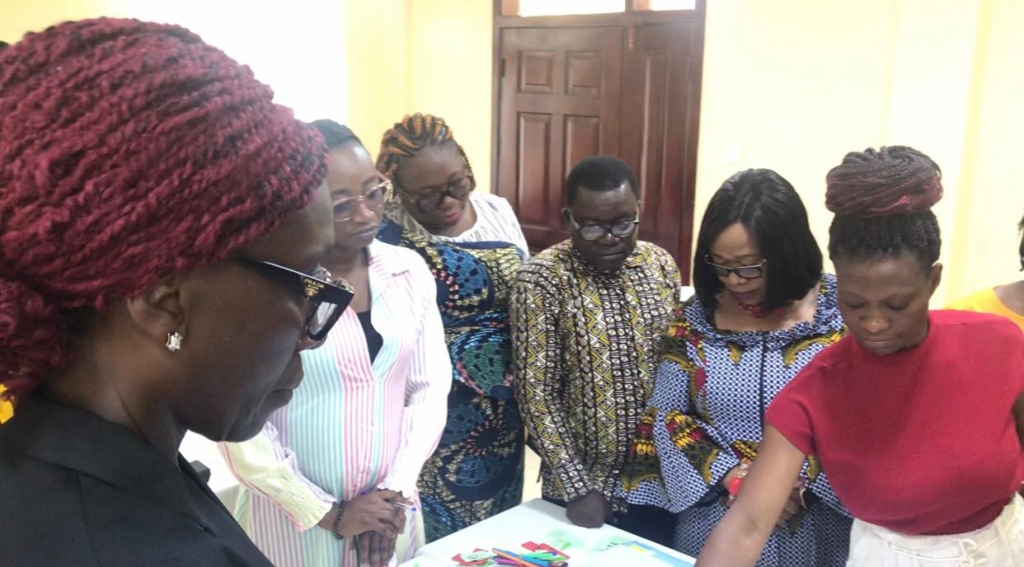
Speaking to Myjoyonline.com after the meeting, the Lead Investigator, Prof Zotor, said, "The aim of this research is to identify foods that are becoming extinct in communities and reintroduce them, so that our school children can appreciate these foods and understand that they are rich and nourishing for their health and well-being."
He emphasized the importance of the school feeding programme, noting that today’s children, who are the beneficiaries, will become the future leaders and builders of the country. "We must be concerned about the foods we provide to our children," he added. "Let’s work together collaboratively to give hope and improve the well-being of our children, as they are the future leaders."
Dr Mawuli Kutsikor, another member of the research team, explained that the project would also help boost the local farming sector. He suggested that the funds currently used to purchase imported foodstuffs for schools could be redirected to support local farmers in producing these foods within the country.
"The government is investing a lot of money in the school feeding programme. How can we distribute these resources in a way that supports local farmers, who are our parents in the communities, and improve their livelihoods? Imagine the massive transformation this would bring to our local economy," he said.

Dr Charity Binka, Executive Director of the African Media and Malaria Research Network and a member of the research team, said Ghanaian meals "are organic, nutritious, and healthy. We should promote our traditional foods".
On the issue of demand and supply, she urged leaders to invest in agriculture. "If we want farmers to do more, we must support them," she said. "Farmers in every community should be empowered to produce, and if there is any way to modernize their practices, we should do it for them."
Dr Binka also suggested that farmers in each locality should be empowered to cultivate indigenous foods from that area, which could then be used in the school feeding programme. This would reduce the need for long-distance travel to source food, thus lowering costs.
Dr Rosemary Anderson Akolaa, also part of the research team, urged Ghanaian households to revisit local foods for their families, especially for children. She advocated for the use of traditional foods such as baobab fruits and leaves, TZ, dawadawa, millet, wild fruits, and vegetables.
However, she lamented the negative impact of agrochemicals on the country’s agricultural sector, stating that these chemicals are destroying many of these traditional foods and plants.
Dr Akolaa identified other factors contributing to the decline of traditional foods, including migration, leadership, and modernization, and called on both policymakers and the public to adopt the right practices.
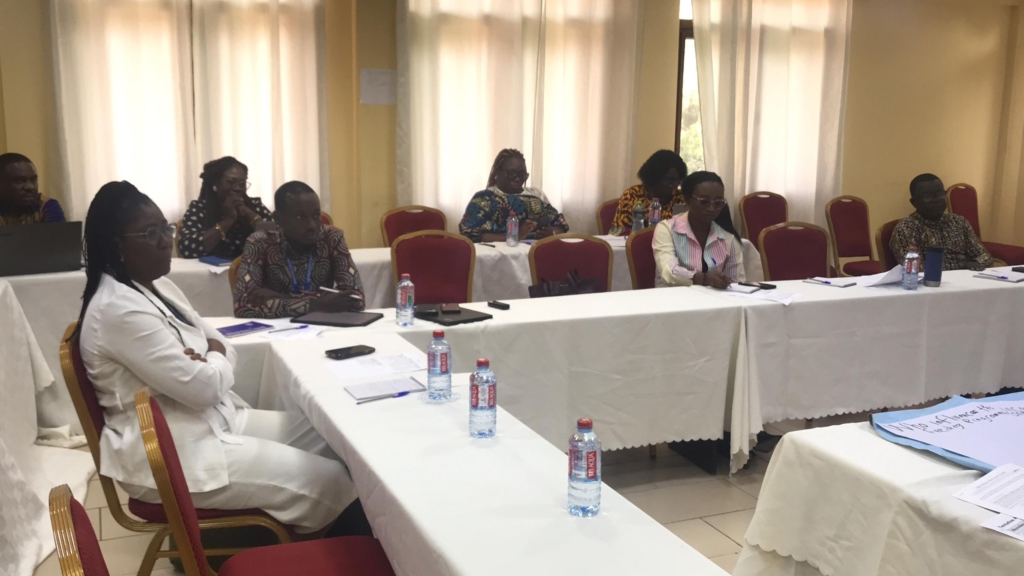
The team envisions bringing back neglected and underutilized Ghanaian foods, which are healthier than the current alternatives, into the food system. They believe this can only be achieved if the government incorporates these foods into the school feeding programme and extends their use to senior high schools.
According to the researchers, if Ghanaian children are given these foods, they will grow to appreciate them and gradually move away from consuming unhealthy alternatives.
The outcome of the research will be presented to the relevant authorities for consideration and implementation.
Latest Stories
-
Conflicts among care providers linked to maternal, neonatal deaths – Expert
1 hour -
GIS marks 10th TIME conference, champions improved teaching practices
2 hours -
BRICS Or Balance? What Ghana’s bid really means
2 hours -
GPRTU wants full TRAFFITECH-GH implementation to start in 2027
2 hours -
Mahama announces plans to import electric wheelchairs for PWDs
2 hours -
KGL U17 Colts 2026: Western beat Prempeh Elite Academy to set up final final with Greater Accra Region
3 hours -
Late Solanke strike salvages 10-man Spurs draw at Man United
3 hours -
Gender Ministry to monitor welfare of Nana Akua Addo’s children amid domestic violence case
3 hours -
Benedict Okyere Yeboah: Ghana’s football problem goes beyond sacking a coach
3 hours -
GPL 2026/27: Darkwah Wiafe’s winner sees All Blacks beat Kotoko
3 hours -
ITF World Tour : Patel Wins Boys’ Singles Final at J100 Accra
3 hours -
Ghana must pursue BRICS partnership if it brings economic benefits – Kpebu
3 hours -
Success and Wright Claims J100 Accra Girls’ Doubles Championship
3 hours -
ITF J100: America’s Wright wins J100 Accra Girls’ Singles Title
4 hours -
Expedition hopes to find aviator Amelia Earhart’s plane on remote island
4 hours