

Audio By Carbonatix
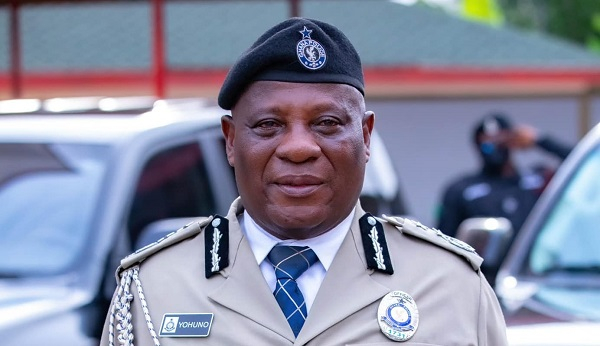
The Inspector General of Police (IGP), COP Christian Tetteh Yohuno, has lifted the communication embargo previously imposed on police spokespersons, urging a renewed and proactive engagement with the media.
Speaking at a workshop for the Ghana Police Service's public relations officers (PROs), IGP Yohuno stressed the critical role of effective communication in fostering public trust and enhancing crime-fighting efforts.
According to him, no society can effectively combat crime without the trust and collaboration of its people, adding that “This is why effective policing is a partnership—one that requires officers to work closely with the communities they serve to foster a safer and crime-free environment.”
The IGP highlighted the evolving demands of society and the media, underscoring the importance of professional and strategic communication in maintaining police legitimacy and public confidence.
He explained “In times when the public demands greater involvement and accountability in our service delivery, a well-tested approach ensures police legitimacy and boosts public confidence. This is where your significant role as public affairs officers in fostering positive interactions with the public becomes essential and directly impacts police effectiveness.”
"It is on this premise that the current police administration, under my leadership, will reactivate and invite all Regional Police Public affairs offices to re-interact and meet the evolving demands of our society and media partners," he added.
He further noted the crucial role of the media in shaping public perceptions of law enforcement and influencing crime-fighting efforts.
“Over the years, the media has been a key stakeholder in crime-fighting efforts and has influenced public perceptions of our work in numerous ways. Therefore, it is imperative that our engagement with the media be intentional, professional, and instructive,” he said.
The immediate past IGP George Akuffo Dampare changed the way the police communicated with the media since he took office in 2021.
He used a centralised approach to information flow where no officer at the regional or district level could speak to issues with the media. Even at the national headquarters, information flow was extremely difficult as the Public Affairs unit was largely limited to releasing press statements on the social media accounts of the Police Service with little or no interviews or press briefings.
Although the media and other stakeholders complained about it and requested a shift to the existing communication channels, the former IGP was adamant.
Read Also: GJA demands reversal of police’s ‘media blackout’
Latest Stories
-
Mahama honours Nkrumah’s role in founding Non-Aligned Movement
6 minutes -
Tanker drivers demand audit and elections, cite poor representation and toll increase
21 minutes -
Bayport Ghana reports strong financial and ESG performance in 2025
27 minutes -
IGP deploys reinforcement team to contain violence in New Winneba shooting incident
29 minutes -
Two dead, 6 injured in Accra-Kumasi Highway crash
39 minutes -
Birth, death registration are mandatory – Deputy Registrar tells Ghanaians
57 minutes -
GoldBod defends $1.315bn forex generation, says transactions backed by GANRAP
57 minutes -
Sherif Ghali steps down as CEO of Ghana Chamber of Young Entrepreneurs after 10 years
1 hour -
Signals Bureau case: ‘I had about 60 questions’ – Atta Akyea welcomes extra cross-examination day
1 hour -
Africa’s colonial ecological debt could exceed hundreds of trillions of dollars – Report
1 hour -
Ibrahim Sulemana joins Sassuolo on loan from Atalanta
1 hour -
Former UK Prime Minister Keir Starmer to stand down as MP to focus on world affairs
2 hours -
Built to Last, Left to Rot: Ghana’s maintenance crisis
2 hours -
Japan Motors Ghana appoints Amine Kabbara as new Managing Director
2 hours -
Number of debit cards issued by banks decreased by 11.8% to 5.7m in 2025
2 hours