

Audio By Carbonatix
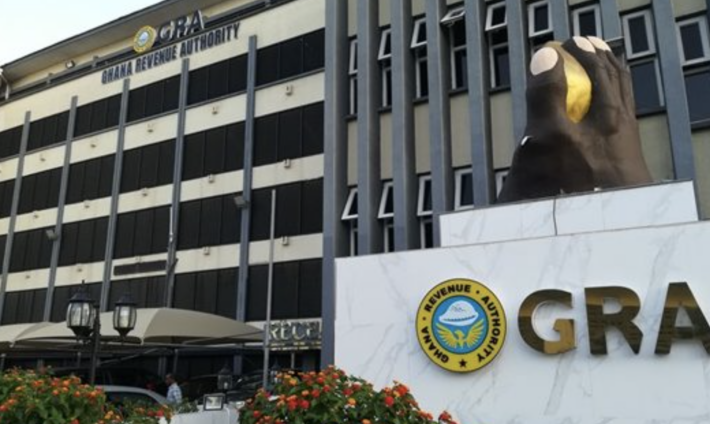
The Ghana Revenue Authority (GRA) has officially announced the abolition of the controversial 1% Electronic Transfer Levy (E-Levy).
This follows the President’s assent to the Electronic Transfer Levy Act, 2022 (Act 1075) and its Amendment Act, 2022 (Act 1089) earlier today.
With immediate effect from midnight, April 2, 2025, all financial institutions and payment platforms are instructed to cease applying the levy and swiftly process refunds for any deductions made beyond this date.
According to the directive issued by Edward Apenteng Gyamerah, Commissioner of the Domestic Tax Revenue Division, on behalf of the Commissioner-General, all Charging Entities must reconfigure their systems to reflect a “no charge” on transactions.
“The GRA Electronic Transfer Levy Management and Assurance System (ELMAS) will automatically return a ‘no charge’ on all transactions posted to it by entities from midnight,” the directive stated.
Entities found still applying the levy or failing to refund customers will face sanctions in accordance with the law.
A crucial part of the directive requires financial institutions and mobile money operators to initiate immediate refunds to customers who have been charged the 1% levy beyond the official abolition date.
“Charging Entities must immediately process refunds for any E-Levy amounts deducted from customers effective today, April 2, 2025.
Entities are to establish an expedited refund process and maintain proper documentation of all refunds processed,” the statement outlined.
Additionally, all Charging Entities must submit detailed reports of refunds processed to the GRA.
While the levy has been scrapped moving forward, the GRA has made it clear that all institutions must account for any outstanding E-Levy collected before April 2.
“Charging Entities are to take the necessary steps to file and pay all outstanding E-Levy charged and collected on all transactions that occurred before April 2, 2025,” the directive warned.
Failure to comply with this requirement will be met with legal action and penalties under Ghana’s tax laws.
To ensure full adherence, the GRA has announced that it will conduct regular compliance checks on all financial institutions and payment platforms.
“Failure to comply with the above directives constitutes an offence, and sanctions will be imposed as prescribed by law,” the statement cautioned.
Additionally, all Charging Entities are required to maintain electronic transfer records for at least six years, as mandated by Section 27(3) of the Revenue Administration Act, 2016 (Act 915).
The removal of the widely criticised E-Levy is expected to revive mobile money transactions and encourage digital payments, which saw a decline when the tax was first introduced.
According to economic analysts, the levy’s abolition is a strategic move to boost financial inclusion and accelerate Ghana’s digital economy.
With the new policy now in force, Ghanaians can finally transfer money electronically without the burden of additional charges.
However, the GRA remains firm in ensuring that financial institutions comply fully with the new directive—failure to do so will not go unpunished.
Latest Stories
-
UPSA uncovers mass results manipulation involving 178 students, over 500 results compromised
26 minutes -
ECG announces planned power outages in parts of Tema from Sept. 29 to October 1
47 minutes -
Sylvester Mensah urges Latenu FM to promote trade, export opportunities in Ga
1 hour -
Ga language under threat of decline as children shy away from speaking it – Sylvester Mensah
1 hour -
‘Let every Ga child you raise know the Ga language and story’ – Sylvester Mensah
1 hour -
‘We are not deterred’ – Ablakwa responds to backlash over South Africa evacuation
1 hour -
NCA announces major voice and data disruption across Northern Ghana due to fibre cuts
2 hours -
Photos: Housing solutions take centre stage at Day 2 of the 3rd Republic Bank-JoyNews Habitat Fair
2 hours -
Ghana Air Force passes out 293 recruits after six months of intensive training
3 hours -
EOCO vrs Baffour Awuah: EOCO should have secured warrant before arrest attempt at court – Inusah Fuseini
3 hours -
Triple fibre cuts disrupt telecom services across Northern, Oti regions – Sam George
3 hours -
Politicisation could undermine parliamentary probe into cocaine seizures – Dr Osae-Kwapong
3 hours -
EOCO chases MP: Can Section 41 cure lacuna in EOCO Act? – Inusah Fuseini asks
3 hours -
GNFS, GWL inspect fire hydrants in Ministries enclave; 23 found faulty
3 hours -
Gov’t directs release of 50,000 bags of grain to ECOWAS
4 hours