

Audio By Carbonatix
As the rainy season intensifies across Ghana, the threat of flooding looms over major cities, and Kumasi is no exception. But for the Ashanti Regional Director of the National Disaster Management Organisation (NADMO), Mohammed Nasir Ibrahim, the real disaster would be ignoring the warning signs.
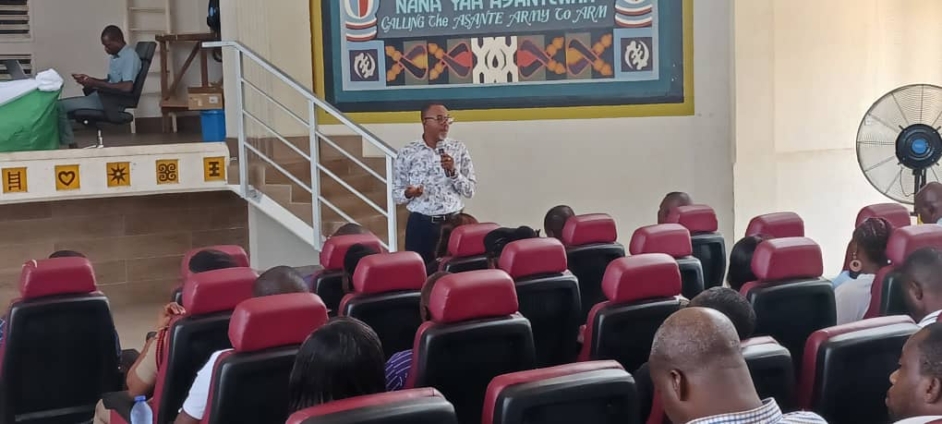
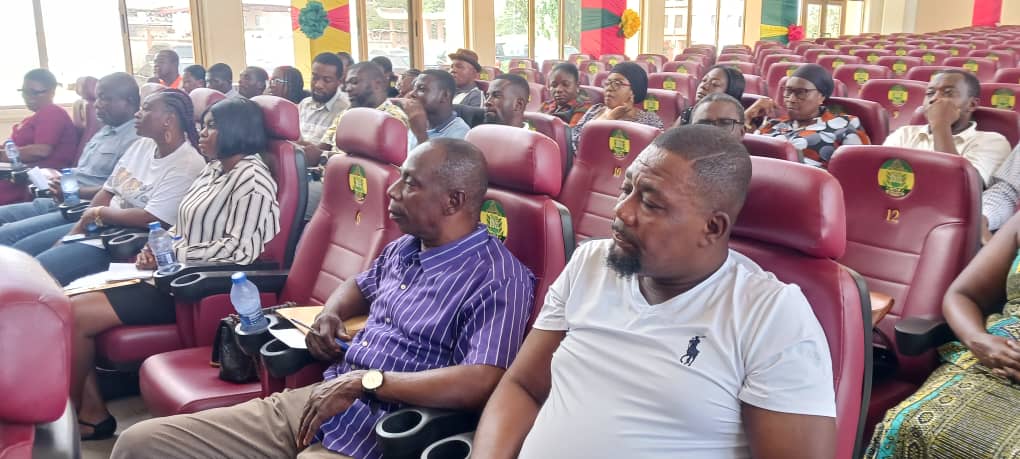
Speaking at a table simulation exercise for staff and management of the Kumasi Metropolitan Assembly and other nearby metros, Mr Ibrahim issued a call to action that prevention is cheaper than response, and collaboration is the key to saving lives.
He said disasters don’t wait, and neither should the systems meant to prevent them. He emphasised the urgent need for a well-coordinated contingency plan that brings together government agencies, local authorities, business entities, and even philanthropists to take proactive steps.
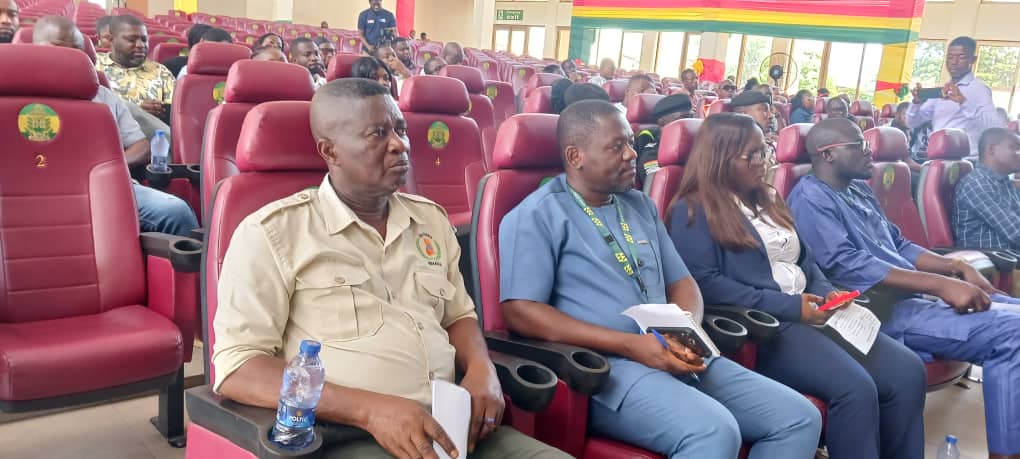
“We can’t leave the work to NADMO alone,” he said, adding that desilting choked drains, dredging streams, and proper waste management require collective effort. “We can prevent, we can reduce the impacts even when the rains come.”
Ghana’s second-largest urban sprawl, Greater Kumasi, is no stranger to the devastating impact of floods. Mr Ibrahim identified several high-risk areas, including KTI/WAEC, Anloga Junction drains, Sepe Buokrom, South Africa, and the Airport Roundabout, which are already clogged with waste and debris.
In outlining NADMO’s contingency strategies for Kumasi, including Adum and Dichemso, Mr Ibrahim stressed a comprehensive approach built around four pillars: prevention, preparedness, response, and recovery.
Key components of this blueprint include early warning systems, community education and awareness campaigns, capacity building for local disaster teams, improved infrastructure and environmental management, prepositioning of relief logistics, and clear roles and coordination among stakeholders.
He stated that, without planning and training, "we’ll always be reacting after lives are lost. But with strong preparedness, communities would build resilience, and that saves both lives and resources."
Mr Ibrahim's remarks come at a time when cities like Accra and Kumasi are grappling with weather extremes and rapid urbanisation. Yet, the message, he said, is clear, and that even with limited resources, disaster prevention is possible, but only if everyone acts before the storm hits.
Participants at the capacity-building workshop described the experience as an eye-opener. Many admitted they had little knowledge of the root causes and solutions to some of the disasters they’ve witnessed in their communities until now.
Latest Stories
-
“NSA did not tell us of any embassy arrangement” – Kofi Adams
9 minutes -
Glasner suffers loss on Selhurst return as Palace beat Forest
2 hours -
WAFU B U17: ‘We won but I expected more from my boys’ – Kassim Ocansey
2 hours -
Man City cruise to statement win over 10-man Liverpool
2 hours -
Be careful with cross-border lending, foreign currency exposures – BoG to financial institutions
4 hours -
GPL 2026/27: Medeama go three clear as Hearts of Oak recover and Bechem stage stunning comeback
4 hours -
Ntiamoah Foundation launches “BEYOND 20” anniversary campaign
5 hours -
Credit Risk Management Directive: BoG to begin implementation for banks, others from July 1, 2027
5 hours -
Ghana Brands Awards 2026: Leading brands, business trailblazers to shine on November 20
5 hours -
T-bills auction: Demand improves as government exceeds target by about 76%; interest rates soften
5 hours -
Ziope undertakes initiative to build a technologically inclined community, commissions self-help ICT lab
6 hours -
ECG announces power outage in parts of Tema, Central Region due to network fault, maintenance
6 hours -
When the Gospel Becomes a Weapon: The church, blackmail and the abuse of faith
7 hours -
JoyNews’ Jacqueline Ansomah Yeboah selected for UK Media Excellence for Emerging Technologies Fellowship
7 hours -
Mental Health Alliance urges government to operationalise Mental Health Fund
7 hours