

Audio By Carbonatix
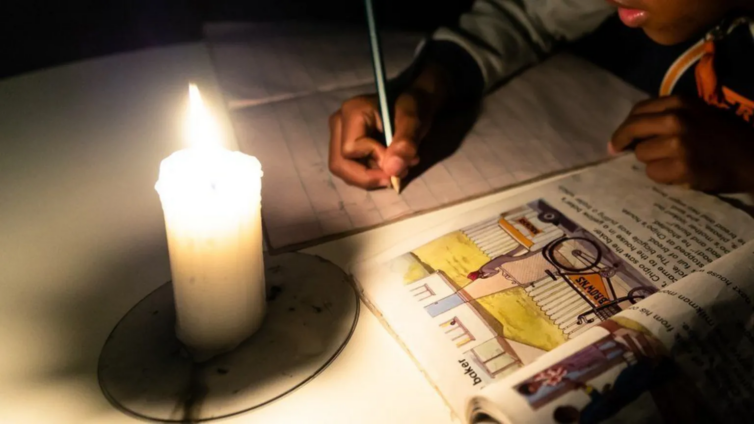
Energy Minister John Abdulai Jinapor says the current power crisis is not the making of the Mahama administration but a direct result of an inherited crisis from the previous government.
Speaking on Joy News’ PM Express on Wednesday, April 30, the Minister blamed persistent load shedding on what he described as deep-rooted problems left behind by the NPP administration.
“In fact, as far back as December, when we were about going into the election — and that was the last month of the NPP administration — they were shedding about 500 megawatts of power,” he revealed.
“If you look at the whole of 2024, not virtually every month — every month — there was load shedding.”
According to Jinapor, the crisis was so severe last year that even the former energy minister faced intense criticism.
“It got so heated that the minister came under fire,” he recalled. “So this thing didn’t start today.”
He stressed that while Ghanaians are rightfully upset about power outages, the issue did not originate under his watch.
“If the roads are bad, people are unhappy. If water does not flow, people are unhappy. But the night, when the lights go out, people get very upset and angry. That’s what I’ve seen. And so naturally, people want to see their lights on, which is expected.”
Despite inheriting the problem, Jinapor said he takes full responsibility as sector minister.
“As a minister, even when ECG commits a mistake, nobody knows the ECG MD. When the PURC commits a mistake or does something, nobody even knows who the Executive Secretary is,” he explained.
“The same with Energy Commission, the same with GRIDCo and VRA. What they know is that there’s a minister appointed by the President to supervise the sector.
"And legitimately so, the people of Ghana would always hold the minister responsible. And by that, I take full responsibility.”
Pressed on how he intends to manage the crisis, Jinapor acknowledged the stakes are high. “Your predecessors have said that as energy minister, you live or die by how successful you are in managing the power sector,” the host noted.
“That is very true,” Jinapor agreed. “Ghana’s power sector has been quite checkered, and it’s been very difficult. I’ve been deputy minister before. I have virtually acted before in this sector. And now I’m a substantive minister. So I understand the enormity of the challenge.”
But the Minister said he is committed to turning things around.
“President Mahama chose me as minister because he thinks and believes I can do this work. And so I am determined to do whatever it takes as minister to improve the sector, and ensure that by the time I leave office, this sector will have been much, much better than I inherited.”
Latest Stories
-
Zoomlion begins eight-day disinfection exercise across 22 assemblies in Central Region
4 minutes -
DVLA Deputy CEO adjudged overall best student at Ghana Armed Forces Staff College
53 minutes -
IMF urges tighter controls over GoldBod programme amid concerns over BoG losses
1 hour -
Appointments Committee to vet Zanetor Agyemang-Rawlings today
1 hour -
GMA strengthens competencies of seafarer examiners, instructors
1 hour -
‘Crime is crime’ – Mahama Ayariga cautions MPs against shielding politicians from prosecution
1 hour -
IMF cautions Ghana against early return to international capital markets
1 hour -
GoldBod ‘losses’ have helped stabilise Cedi, contain inflation – Mahama Ayariga
2 hours -
NDC formally notifies Speaker of James Agalga’s appointment as Majority Leader
2 hours -
DGPP’s GH¢21.89bn ‘loss’ is accounting adjustment, not cash expense – Sources
2 hours -
Tuba murder: Court adjourns case to September 28, as police prepare to forward docket to AG
2 hours -
Debt restructuring key to Ghana’s economic recovery – IMF
2 hours -
Let’s wait and see – Agalga refuses to take sides on extortion allegation as OSP probe begins
2 hours -
FDA intensifies drive to ensure iodised salt reaches consumers
2 hours -
HTU partners Praise Export to boost student training, employability
2 hours