

Audio By Carbonatix
As global trade dynamics continue to evolve amid escalating tariff conflicts between economic superpowers, Ghana is being called upon to take bold steps to reposition itself as a manufacturing and export leader across Africa.
This was the central message delivered by Michael Kottoh, Managing Partner at economic strategy firm Konfidants, during the 2025 Citi Business Forum held in Accra on Thursday, June 12.
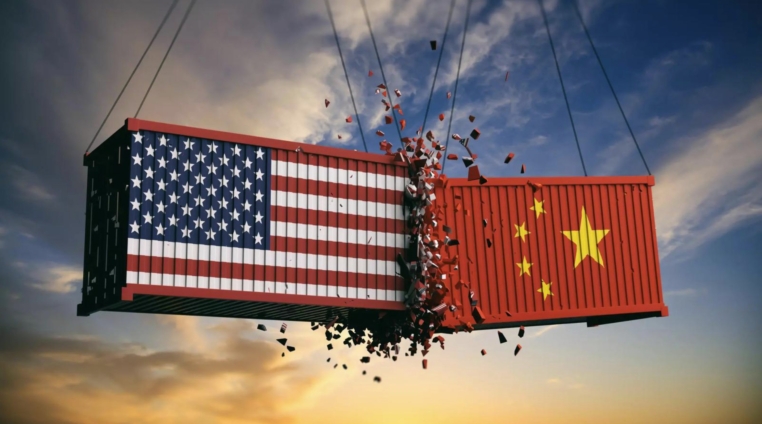
Global trade disputes, particularly those involving the United States, China, and the European Union, have led to an increasingly fragmented supply chain landscape.
But while larger economies grapple with retaliatory tariffs and disrupted trade flows, smaller nations like Ghana stand to benefit from the realignment of international commerce.
“In terms of opportunities, we could seize U.S. niche advantages while rivals pay higher tariffs,” he noted. “Lesotho has been crying a lot, South Africa is complaining a lot—we could potentially, using AfCFTA, attract some of that export.”
The AfCFTA, which came into effect in 2021, has created the largest free trade area in the world by number of countries, covering a market of over 1.4 billion people with a combined GDP of $3.4 trillion, according to the African Union.
One of the most promising sectors for Ghana, Mr Kottoh noted, is the apparel and textile industry, a sector that has historically created thousands of jobs in Africa but has recently seen instability in traditional strongholds like Lesotho and South Africa.
“Lesotho could relocate some of those contracts to Ghana,” Kottoh explained. “So these are potential advantages—but we need to be strategic and understand which product lines, which value chains, which alliances and partnerships are required to take advantage of these.”
Ghana currently exports about $40 million worth of garments annually, but experts say that number could triple within five years if the country invests in industrial parks, worker training, and export-oriented logistics infrastructure.
Despite the encouraging outlook, Mr Kottoh stressed that seizing these opportunities will require more than optimism. Ghana must craft a deliberate, data-driven export strategy that identifies high-potential product categories and builds resilient ecosystems around them.
“We need to be strategic and understand which product lines, which value chains, which alliances and partnerships are required to take advantage of these.”
Mr Kottoh also emphasised the importance of trade facilitation reforms. According to the World Bank’s Logistics Performance Index, Ghana ranks 100th out of 139 countries—a statistic that underscores the urgency of improving port efficiency and customs processing times.
As geopolitical tensions continue to reshape global commerce, Ghana’s ability to adapt and capitalise on shifting trade currents may define its economic trajectory over the next decade.
Latest Stories
-
Agyemang-Badu urges GFA, Sports Ministry to disclose Carlos Queiroz’s contract terms
4 minutes -
Ghana and Panama sign MoU to deepen bilateral political consultations and cooperation
8 minutes -
Black Stars: Mohammed Fuseini receives late call-up for September-October games after head injury
14 minutes -
Traders reselling GH¢25k Kejetia phase one shops for up to GH¢120k — Local Government Ministry
24 minutes -
Korle Bu begins work on 400-bed Mother and Child Block with IVF, NICU and theatres
34 minutes -
Mahama discusses potential Open Society Foundations support for ECOWAS integration
38 minutes -
IGP, Savannah Regional Minister visit Gbindabuor as 36 suspects assist police investigations
41 minutes -
Carlos Queiroz sets 2027 AFCON qualification as Ghana’s immediate Black Stars target
1 hour -
When oil rises but the pump does not rise as much
1 hour -
Starting a business in Ghana as a young man is tough – HR practitioner
2 hours -
Nkrumah’s policies should inform Ghana’s development — UG African Studies Director
2 hours -
Ghana Evangelical Missions Association urges Christian leaders to preach against galamsey and intensify advocacy
2 hours -
Buipe Hausa Festival: National President Tafida calls for vigilance, unity, and youth reform
2 hours -
Government urges domestic airlines to reduce airfares after duty exemptions
2 hours -
Beyond vehicle age: Why Ghana needs a smarter vehicle import policy
2 hours