


Audio By Carbonatix
UNESCO is calling on African governments and institutions to accelerate investments in quantum technology as a critical pathway to achieving the Sustainable Development Goals (SDGs) by 2030.
This global appeal follows the United Nations Educational, Scientific and Cultural Organization’s official designation of 2025 as the International Year of Quantum Science and Technology — a bold move aimed at placing emerging technologies at the forefront of sustainable innovation, particularly in the Global South.
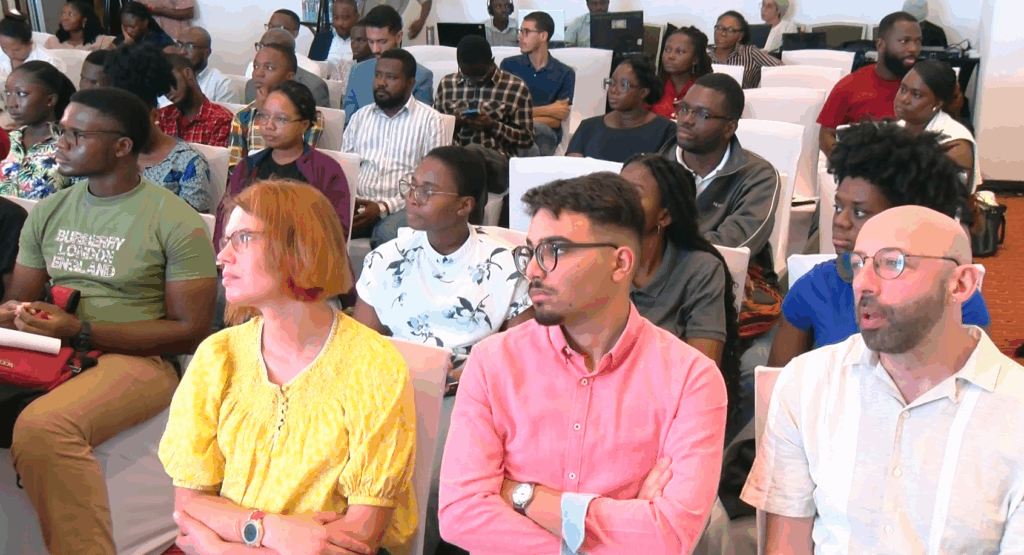
In Ghana, the African Institute for Mathematical Sciences (AIMS) is already laying the groundwork. Speaking at a stakeholder engagement on the subject, the Centre President of AIMS Ghana, Dr Prince Osei, emphasised that quantum science is not only the future but also an urgent opportunity for Africa to leapfrog developmental barriers.
"Quantum technology holds immense potential to solve problems in computing, energy, and even climate modelling," Dr Osei said. "We are working hard to introduce it into academic curricula and nurture a generation of African scientists equipped for the quantum era."
Adding to this, UNESCO’s National Professional Officer for Natural Sciences, Melody Boateng, urged policymakers to prioritise quantum education and innovation.
“Africa is already behind in the global technology race,” she said. “If we don’t act now, we risk being mere consumers instead of creators of the next wave of technological breakthroughs.”
Quantum science — which explores the behaviour of matter and energy at the atomic and subatomic levels — is widely regarded as the foundation for transformative technologies in computing, communication, and cryptography. Its applications could directly impact sectors crucial to Africa’s development, such as medicine, renewable energy, and agriculture.
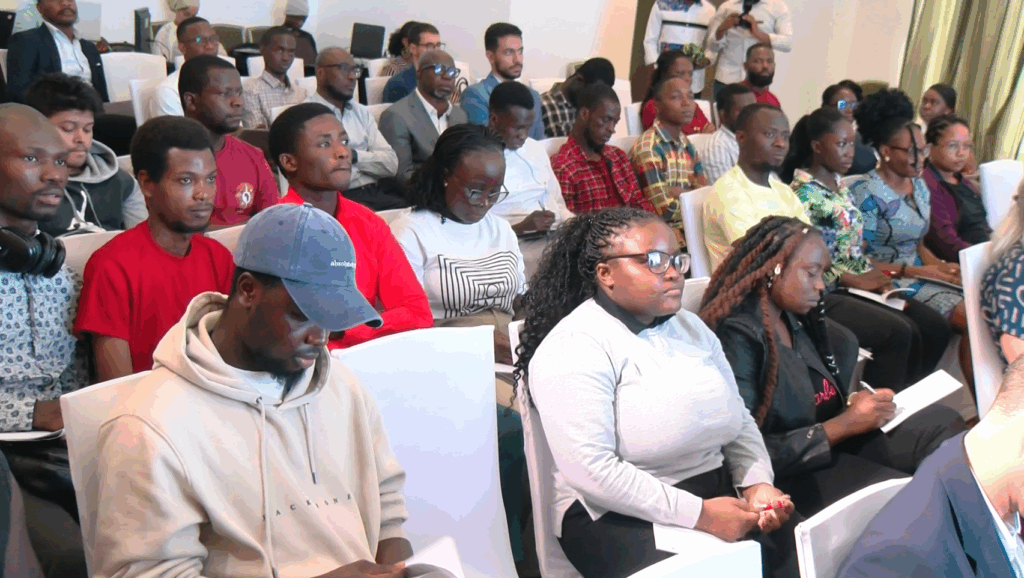
UNESCO believes that by harnessing quantum technology, African nations can create high-value jobs, address critical infrastructure challenges, and contribute more significantly to global science and innovation.
With global momentum building, the message is clear: Africa must not be left behind. Stakeholders at the event urged universities, governments, and the private sector to collaborate and invest in building quantum-ready infrastructure and talent pipelines.
Latest Stories
-
Ghana needs a law to sustain constitutional reforms – CDD-Ghana
3 hours -
COVID fumigation audit: Auditor-General has a lot of questions to answer – Akwatia MP
3 hours -
Stranded Ghanaian medical graduates in Cuba appeal to Mahama for immediate return
3 hours -
GNFS contains fire outbreak at Teshie Lekma Road near Lekma Hospital
9 hours -
Samia Nkrumah rejects the narrative that Ghanaians were happy after Nkrumah’s overthrow
10 hours -
A Mother’s pain: Tribute by Ivan Baidoo’s mother
11 hours -
‘Forgive us for staying away’ — Samia Nkrumah leads family back to Nkroful, pledges to preserve Nkrumah’s legacy
11 hours -
Ernest Nuamah scores twice as Lyon beat Rennes
11 hours -
‘My dear Ivan’ – A father’s tribute to a son tragically killed
11 hours -
GNPC Explorco advances Voltaian Basin drilling preparations with 13.5km access road
11 hours -
Cabinet approves facility manager for Borteyman Sports Complex – Kofi Adams
12 hours -
Sanitation is improving; critics may be ‘living in another world’ – Salaga South MP replies Bekwai MP
12 hours -
Government must do more to tackle sanitation crisis – Bekwai MP
12 hours -
World Cleanup Day: GFF begins sanitation education in local communities
12 hours -
EU Ambassador, IGP discuss stronger cooperation on policing and security
12 hours