

Audio By Carbonatix
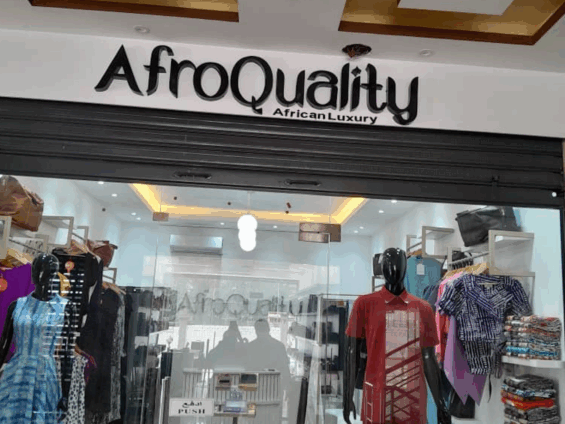
AfroQuality has launched operations in Accra, Kigali and Nairobi, unveiling a pan-African retail and distribution platform designed to help African artisans, designers and manufacturers scale across the continent and to global markets.
The platform combines physical concept stores in the three launch cities with a technology backbone for product verification, logistics and cross-border trade.
At launch AfroQuality will focus on fashion and lifestyle products as part of its product market fit assessment, with plans to extend into premium categories such as homeware and wellness.
AfroQuality says it is aiming to address the fragmentation that prevents many African brands from accessing larger markets.
The company points to McKinsey and World Bank projections that Africa’s consumer spending could top US$2.1 trillion by 2030, with discretionary categories such as fashion, beauty and lifestyle representing a sizeable share of that opportunity.
By building what it calls distribution rails, AfroQuality hopes to connect makers to customers across multiple cities and diaspora hubs.
“This is more than retail. It is infrastructure,” said Saint Hilary Doe-Tamakloe, Founder and Director of AfroQuality, in the company press release.
He described the initiative as a way to create jobs and dignity by linking local production to regional and global demand.
AfroQuality has set an ambition to expand to at least 15 African cities and five global diaspora cities by 2030.
The launch is being accompanied by a multimedia campaign under the tagline Buy African, Build Africa.
A two-minute campaign film and shorter infomercials will run on television, radio and digital channels to promote the platform and the idea that every purchase supports local makers.
AfroQuality opened its Nairobi concept store this quarter and has posted promotional material on social channels to mark the rollout.
Why this matters
AfroQuality’s strategy tackles two common barriers for African brands.
First, physical retail presence in multiple countries gives brands visibility and a place on which to build customer trust.
Second, a technology and logistics layer aims to simplify cross-border fulfilment and the paperwork that often blocks intraregional trade.
If the platform scales as planned, it could reduce friction for brand growth and make it easier for small producers to participate in AfCFTA-driven trade opportunities.
What to watch next
AfroQuality will begin with curation of fashion and lifestyle lines while testing logistics and verification systems.
The company’s stated target of a footprint in 15 African cities by 2030 sets a high bar but also signals the scale of opportunity its founders are pursuing.
Latest Stories
-
UK lawmakers demand new law to address AI threat to human rights
2 minutes -
WAFU B U-17 Girls Cup: Black Maidens depart Accra for tournament in Yamoussokro
2 minutes -
Sweden’s center-left bloc narrowly ahead as election remains too close to call
12 minutes -
GPL 2026/27: ‘We won ugly’ – Kotoko head coach unimpressed after Lions victory
15 minutes -
7 out of 10 human trafficking cases in Ghana never reach prosecution — JoyNews Research
31 minutes -
Music, football to converge at Music Meets Football Summit 2026 in Lusaka
36 minutes -
Putin invites young global leaders to partner with Russia in shaping future world order
37 minutes -
Putin calls for ‘just world’, says every nation must be free to choose its own path
44 minutes -
IFY 2026 food festival to serve 20,000 meals showcasing global cuisines in Russia
56 minutes -
Ghana has a Domestic Violence Act: But can a victim afford to use it?
59 minutes -
Young artists from 100 countries showcase works at IFY 2026 in Russia
1 hour -
Russia opens neo-Nazism exhibition at International Festival of Youth 2026
1 hour -
‘Let’s change the world together’ – Putin tells young people
1 hour -
VC inaugurates three committees ahead of UG’s 80th anniversary celebration
1 hour -
Today’s Front pages: Monday, September 14, 2026
2 hours