

Audio By Carbonatix
Smuggling is draining billions from Ghana’s economy, and the Food and Beverages Association of Ghana (FABAG) is warning of a looming collapse if urgent action is not taken.
The Association says criminal networks are thriving while legitimate businesses struggle under heavy taxes and high operational costs.
FABAG says the illicit trade has reached alarming levels, causing the country to lose billions of cedis every month.
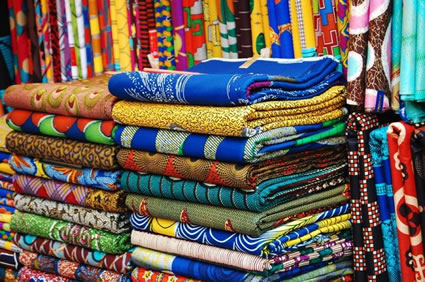
Intelligence from border communities and industry partners reveals that essential goods such as rice, cooking oil, sugar, alcoholic beverages, and textiles are being smuggled into the country in large volumes.
According to FABAG, the unchecked inflow of these untaxed and often substandard products is crippling local industries and robbing the state of critical revenue for development.
“It is disheartening that compliant businesses are subjected to rigorous tax regimes and levies while smugglers thrive unchecked,” the association said.
FABAG estimates that Ghana is losing hundreds of millions of cedis every week through unmonitored smuggling at both official and unofficial entry points.
The group warns that this massive revenue loss threatens the stability of the economy, weakens the cedi, discourages investment, and endangers jobs in the manufacturing and distribution sectors.
The association is calling on the Customs Division of the Ghana Revenue Authority, the Ministry of Trade and Industry, and national security agencies to intensify border enforcement and deploy advanced surveillance technology.
FABAG says smuggling has now evolved into a highly organised and well-funded criminal network that must be confronted decisively.
The group also appealed to the Ministry of Finance to review the import tax regime as part of the upcoming 2026 Budget.
It argues that high import duties and complex port procedures are major drivers of smuggling and must be urgently reformed.
FABAG warns that Ghana cannot continue to lose such vast revenue while burdening citizens and businesses with higher utility tariffs.
It insists the smuggling crisis has become a national security issue, threatening Ghana’s industrial base and the survival of legitimate enterprises.
“The government cannot afford to delay,” the statement concluded. “We must act now to protect our borders, support local industries, and secure the future of our economy before it’s too late.”
Latest Stories
-
Salomey Baffoe bail denied: Cyber-related investigation poses risk of witness interference – High Court
7 minutes -
Court is being too ‘high-handed’ by keeping Salomey Awiti Baffoe in custody – Criminologist
8 minutes -
Lawyer for Salomey Baffoe appeals bail refusal, petitions CJ to intervene
13 minutes -
Washington State delegation explores healthcare partnership with Ghana Medical Trust Fund
17 minutes -
BoG backs cedi payments for Ghana-China trade
18 minutes -
EPA shuts down Earl International mining operation at Gbane over environmental breaches
20 minutes -
GoldBod resumes significant gold shipments, supporting reserves – BoG
23 minutes -
FX interventions are rules-based, not discretionary-BoG
27 minutes -
DVLA explains delinquency charges related to expired driver’s licences
35 minutes -
High Court denies bail application for Salomey Awiti Baffoe
37 minutes -
GES urges communities to help provide kitchens for school feeding programme
43 minutes -
Mahama invokes Nkrumah, says Ghana’s freedom must serve Africa
44 minutes -
From Cotonou to Bata: Ghana and Côte d’Ivoire’s rivalry enters a new chapter
46 minutes -
UN Charter must reign supreme over ‘might makes right’ – Mahama
48 minutes -
BoG to introduce new Heritage Series banknotes in November 2026
49 minutes