

Audio By Carbonatix
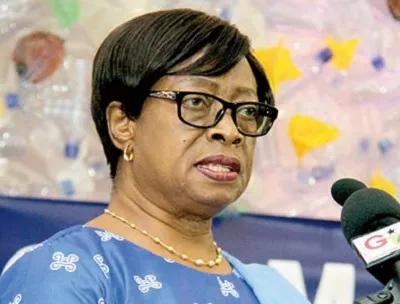
Former Chief Justice Sophia Akuffo is calling for sweeping reforms to Ghana’s judicial system, from how judges are appointed to how they are disciplined.
She argues that the current structure lacks transparency and fuels public mistrust.
Speaking on Channel One TV on Wednesday, November 5, Justice Akuffo said it was time for Ghana to “reconceive the judiciary” to strengthen its independence and restore public confidence.
“I have a passionate view and I have had it for quite a long time about how the judiciary is appointed, because the manner in which the appointment is made leaves a lot to be desired,” she said.
She criticised the existing appointment process as opaque, saying it allows speculation about political interference and favouritism.
“There is not much transparency in the process, and it’s important for that to happen, because otherwise, it leads to all kinds of speculation, that someone got appointed because of this or that, since people may not know the reality of the qualifications and merits of the appointment,” she explained.
Justice Akuffo proposed that Ghana consider models where independent bodies, rather than political actors, oversee judicial appointments.
These bodies, she suggested, should include respected representatives from professional and social institutions selected purely on merit and credibility.
She also questioned the calls to cap the number of Supreme Court justices, stressing that Ghana’s apex court is overburdened because it handles an unusually broad range of cases.
“You can only begin to talk about limiting the number of Supreme Court justices if you also look at the scope and magnitude of the jurisdiction of the Supreme Court.
"For as long as everyone has a right of access, and cases of all kinds keep coming, how can you limit the number of judges?” she asked.
Justice Akuffo contrasted Ghana’s system with that of the United States, where the Supreme Court selectively chooses cases, while Ghana’s “come one, come all” structure has created inefficiency and strain.
She concluded that the path to restoring trust in the judiciary lies in transparency, institutional reform, and a renewed commitment to independence.
“Strengthening judicial independence through transparent appointments and practical reforms is essential to maintaining public trust and the integrity of Ghana’s justice system,” she emphasised.
Latest Stories
-
8 feared dead as illegal mining pit collapses at Domi Keniago
4 seconds -
Eighth suspect arrested over fatal New Winneba violence
6 minutes -
Commercial fire at Agringanor brought under control by GNFS
9 minutes -
Mortgage repayments and existing debts should not exceed 50% of income – Republic Bank
19 minutes -
Republic Bank to offer up to 100% mortgage financing at JoyNews Habitat Fair clinic.
22 minutes -
You sounded like an NDC official – Arthur Kennedy criticises Chief Justice over SOE comments
48 minutes -
Lands Minister inspects Ankobra, cites progress in galamsey fight
55 minutes -
GRA clarifies phone, laptop duty rules; number of items not automatic trigger
1 hour -
2026 U20 WWC: GFA Prez Kurt Okraku visits Black Princesses in Poland ahead of opener against Ecuador on Sunday
1 hour -
Ghanaian Coaches dominate Ghana Premier League 2026/27 dugouts
2 hours -
Black Maidens drawn against Nigeria, Togo and Niger in WAFU B U-17 Cup
2 hours -
GMTF Administrator hails NHIA boss on first anniversary
3 hours -
Today’s Front pages: Friday, September 4, 2026
3 hours -
From Kantamanto to the TEDx Stage: How waste became innovation
3 hours -
MMDCEs charged to ensure Landing Beach Committees do not sell premix fuel beyond approved prices
4 hours