

Audio By Carbonatix
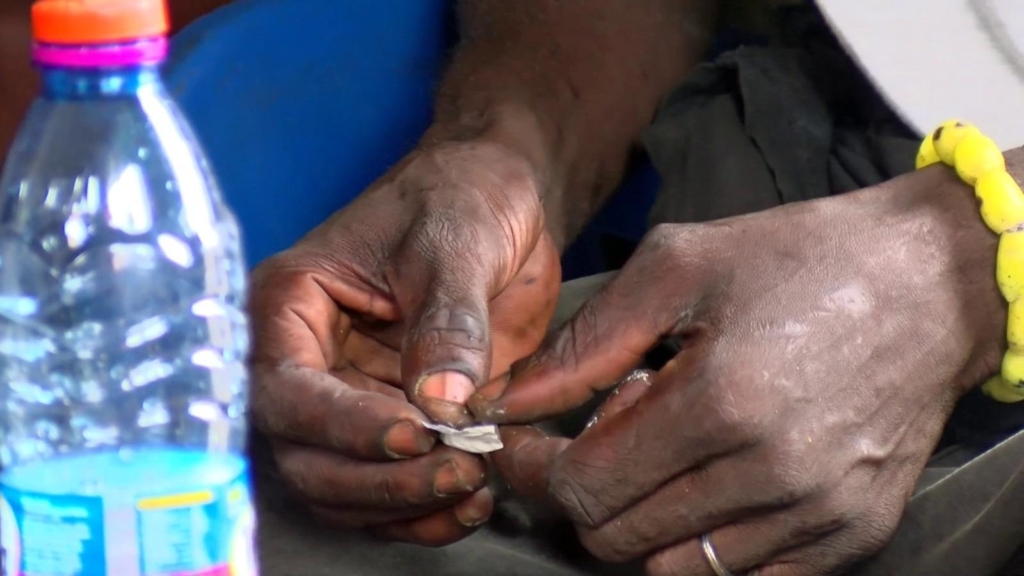
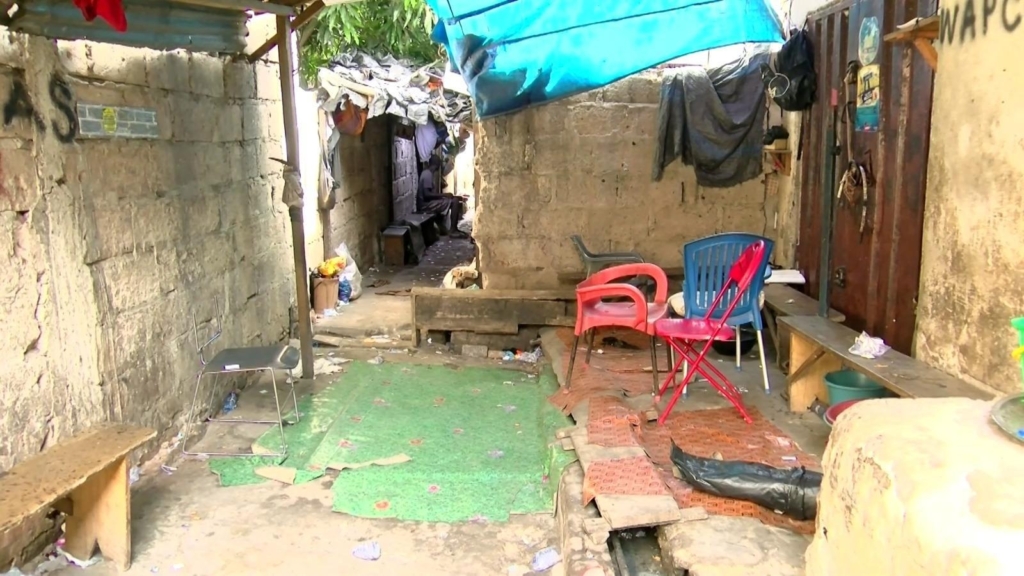
For the last six months, a torn packet of pills has never left Theresa Akosua Boadi's pockets.
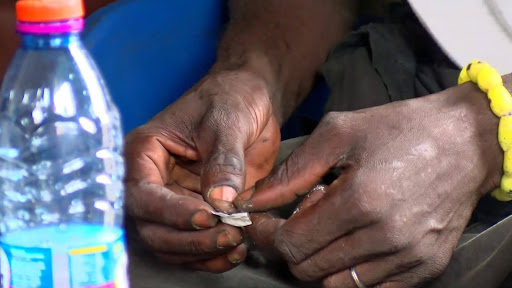
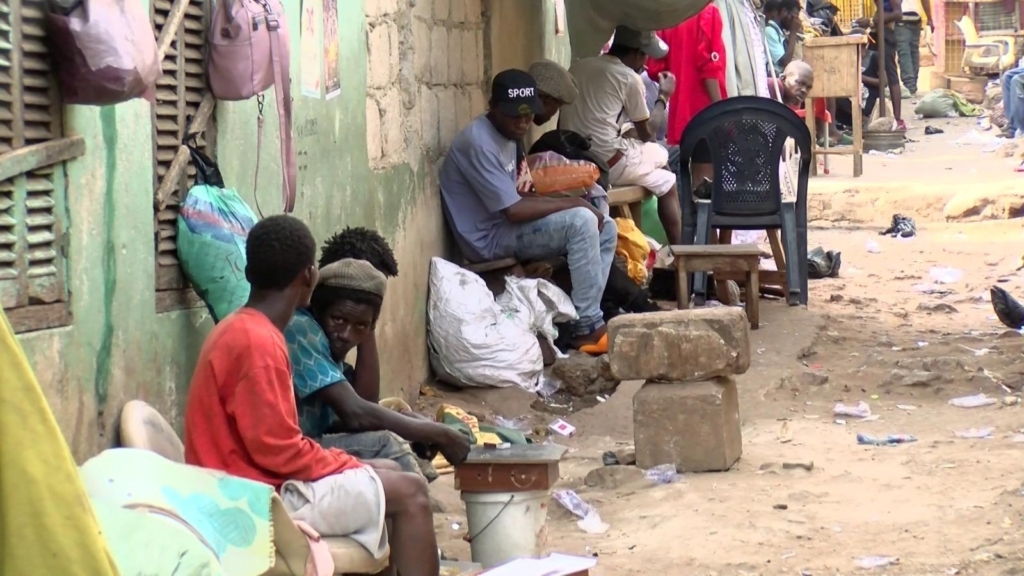
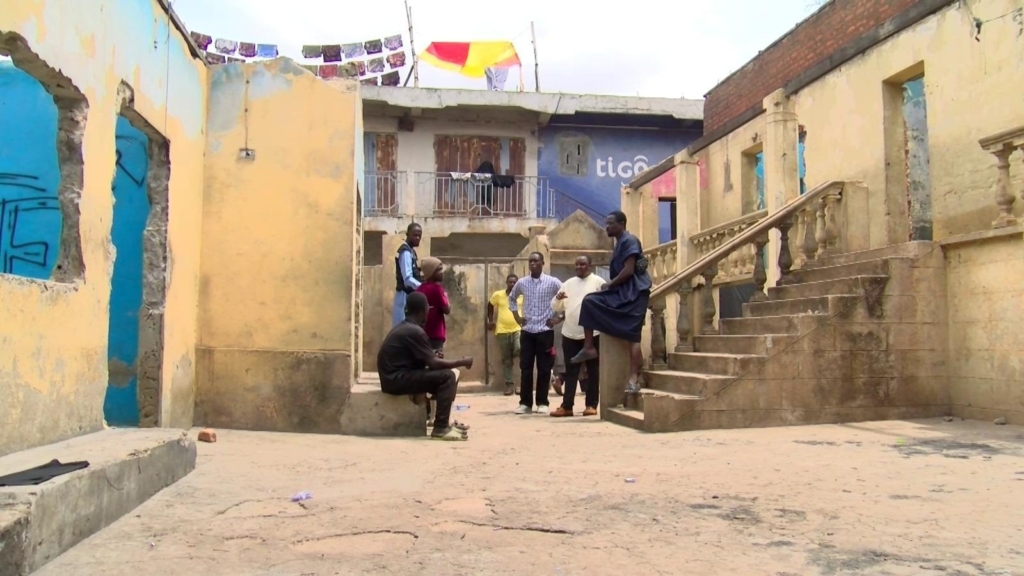
As she sits on a veranda at Tinka Island, a well-known neighbourhood for drug users in Kumasi, she slips a small tablet into her mouth, hoping it will ease the weakness that has taken over her body.
Yet she has never seen a doctor for her symptoms.
“I am not feeling fine at all. Most of the time, I feel very weak,” she said. “I tried visiting the Manhyia Government Hospital, but they told me to go and pay 70 cedis for a hospital card because I did not have health insurance. The money on me was only 50 cedis, so I left.”
Her experience only worsened when she first walked through the hospital gates.
“When I got to the main gate of the hospital, the security man sacked me. He said I was a mad woman… I walked up to some of the nurses to ask questions, and one squeezed her face at me. The few of them I went to did not even answer the questions I was asking,” she recalled.
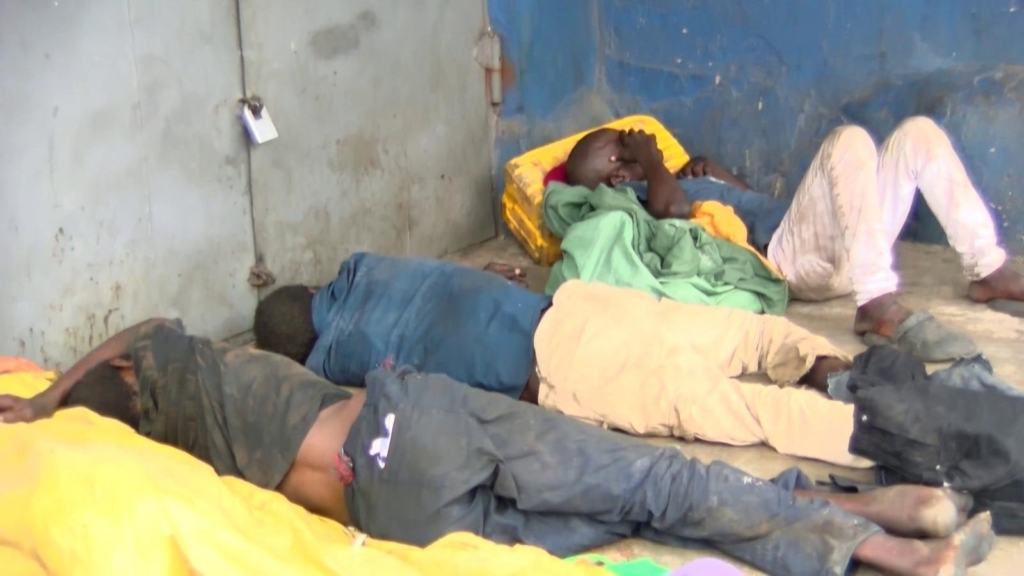
Theresa is not alone. Across Ghana, many people, especially those living with HIV, sex workers, and people with diverse sexual orientations, turn to self-medication long before considering a hospital visit.
Some fear the cost. Others simply do not trust the health system.
But many fear the discrimination they might face if they speak honestly about who they are.
Fear, Stigma and the Turn to Self-Medication
For 31-year-old Kwasi Boadi, diagnosed with HIV in 2022, stigma forced him to leave his rural community for Kumasi.

Though he looks healthy, he avoids hospitals altogether, worried that health workers will judge him or expose his status - something that had already happened back home.
He now relies on a pot of boiling herbs, tree bark and leaves that he sips every hour.
The relief is temporary. Some nights he cannot sleep; some days he misses work.
“I know it is not safe, but I do not want trouble at the hospital… Everybody got to know I have HIV,” he said.
Specific, reliable data on the prevalence of using non-prescribed ART or self-medicating for confirmed HIV infection among key populations in West Africa is largely undocumented in the available literature.
The focus of current research and programs is primarily on improving adherence to prescribed ART and increasing the uptake of formal testing services to bridge the significant treatment gaps in the region.
But research published by Cogent Public Health in February 2023 found high levels of self-medication across various groups in Ghana - including HIV-positive people, pregnant women, students and older adults.
Factors such as cost, perceived health, and distrust in the health system all contributed.
In the Ashanti Region, limited studies exist on self-medication among HIV-positive persons.
However, research in Kumasi shows that 53.2% of HIV/AIDS patients use traditional medicine for symptoms, and most (93.9%) do not disclose this to medical providers, raising the risk of harmful drug interactions.
When Identity Becomes a Barrier
Stigma becomes even more layered for queer people.
Rachel (not her real name), a young woman who identifies as masculine, went to Manhyia District Hospital in April 2025 for a pelvic scan. Instead of being attended to, she was questioned about her gender.
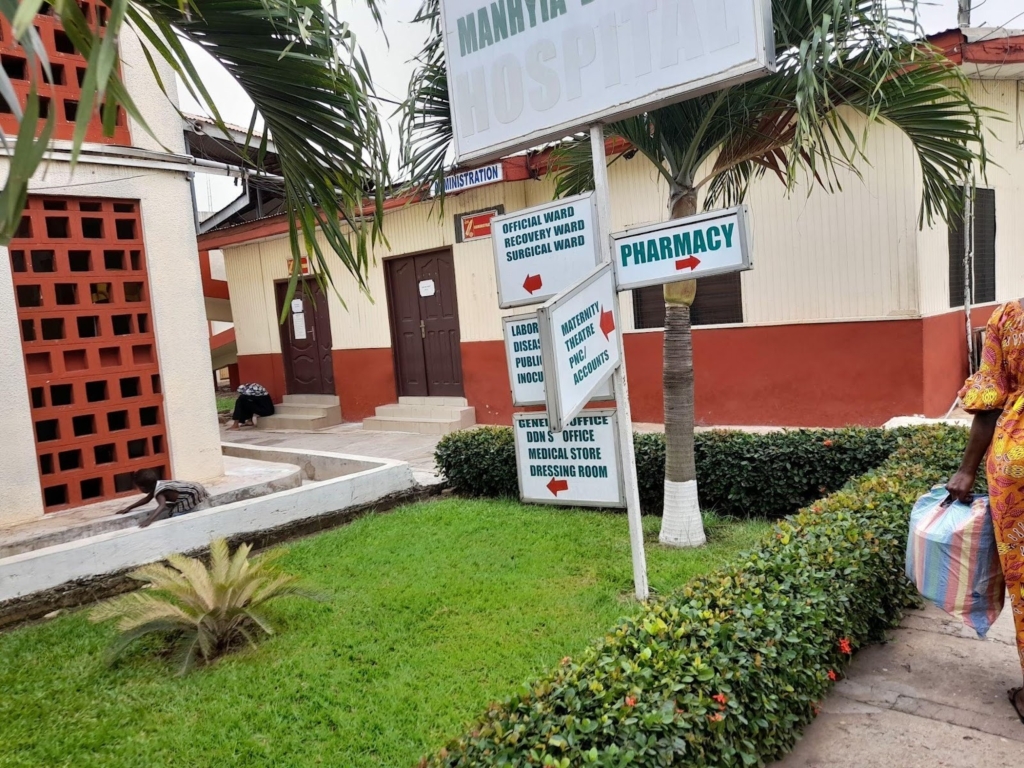
“The nurse asked, ‘Are you male or female?’… She gave me a bombastic side eye and signalled that I should go and find somewhere to sit.”
Feeling humiliated, Rachel left without completing the procedure. It was her third experience of hostility at the same facility. She now avoids hospitals unless necessary.
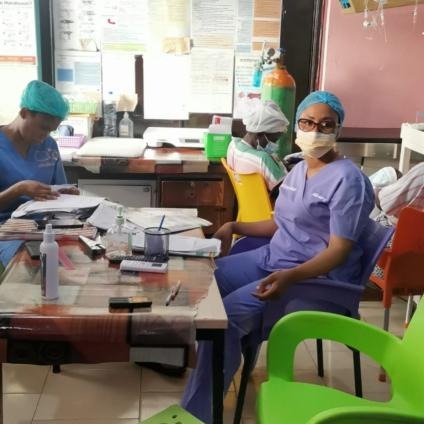
For David, a gay teacher, judgment came the moment he disclosed his identity to a nurse at his local CHPS compound.
“The only time I go to the hospital is when I have an STI,” he admitted. “But I don’t go to the community health post anymore… Sometimes, too, I go to private hospital but it is expensive.”
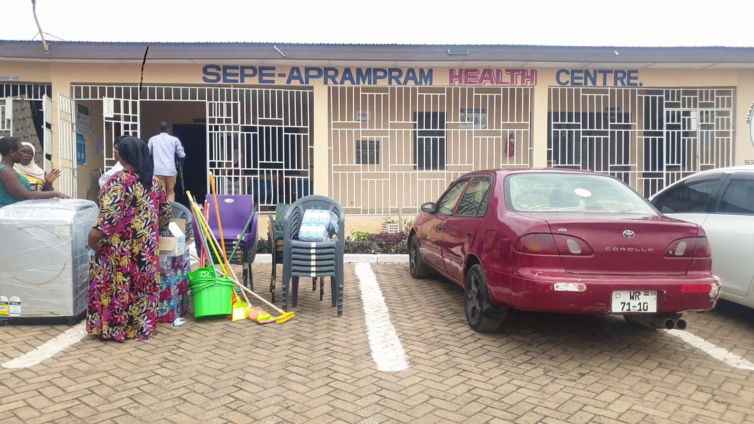
A front view of the Sepe Aprampram Community Health Post where David used to seek healthcare
Instead, he turns to the internet, pharmacies or simply avoids treatment altogether.
Policy vs. Practice: The Systemic Gap
The Ghana AIDS Commission acknowledges that stigma keeps many vulnerable people away from healthcare facilities.
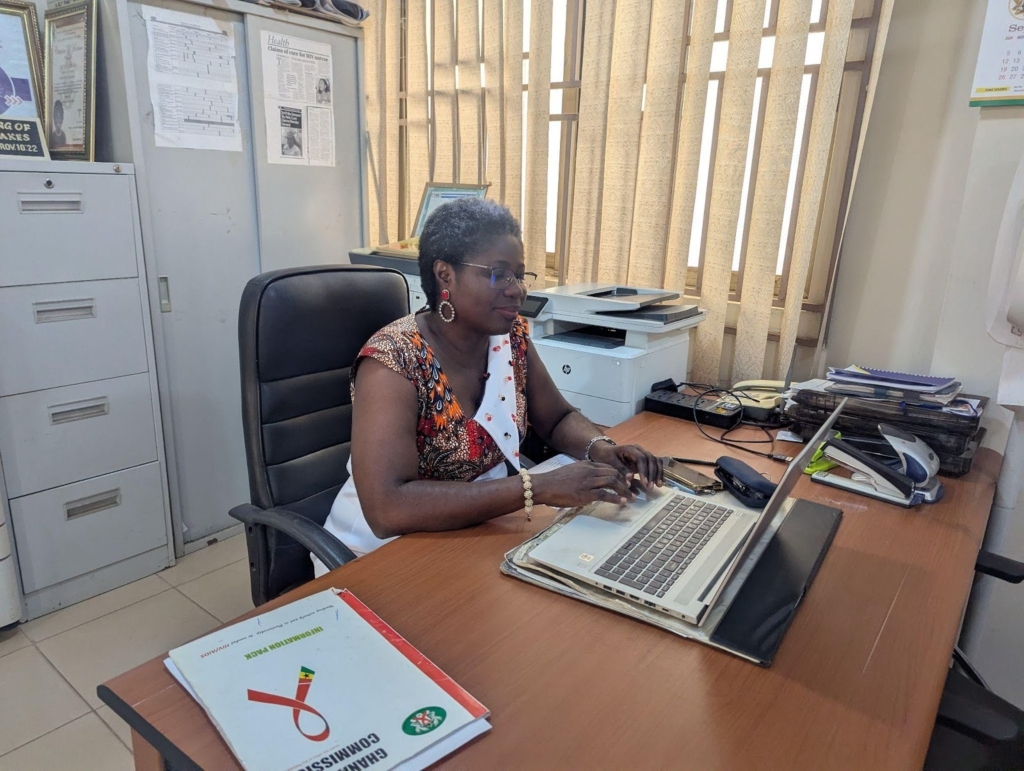
Regional Technical Coordinator Olivia Graham said the consequences are severe.
“Some people start treatment, feel better, and then stop because someone tells them there is a cure… Some people who are positive do not want to go to facilities near them. They travel far because they fear meeting someone they know,” she said.
Inside the Clinics: Nurses Struggling Against Stigma
At the community level, nurses witness the toll of stigma every day.
They have noticed some patients arrive at the clinic before sunrise or after dark so no one sees them.
Others hide their medication from their partners.
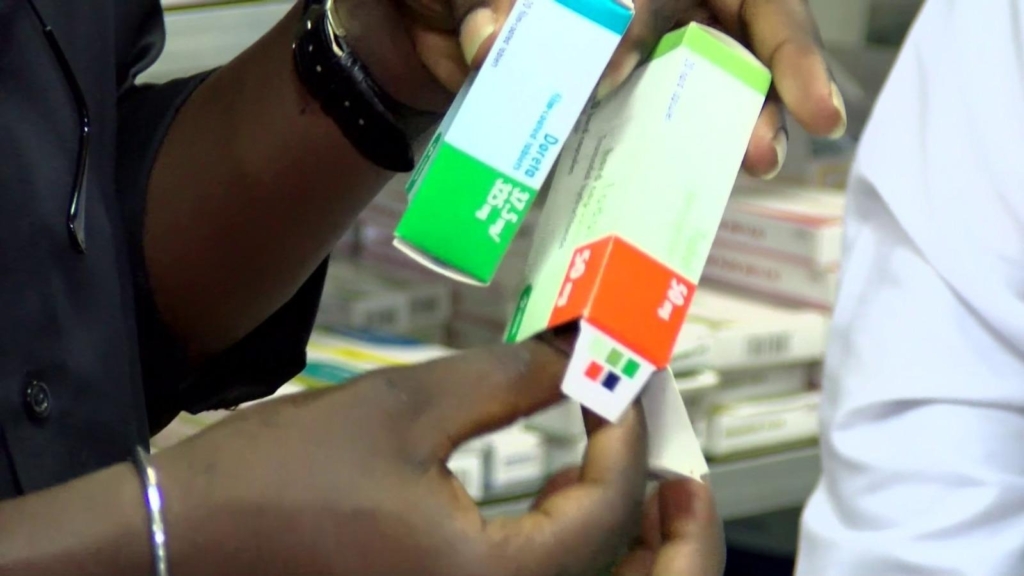
Many quietly use herbal mixtures or over-the-counter painkillers before finally seeking formal care—often when their condition has worsened.
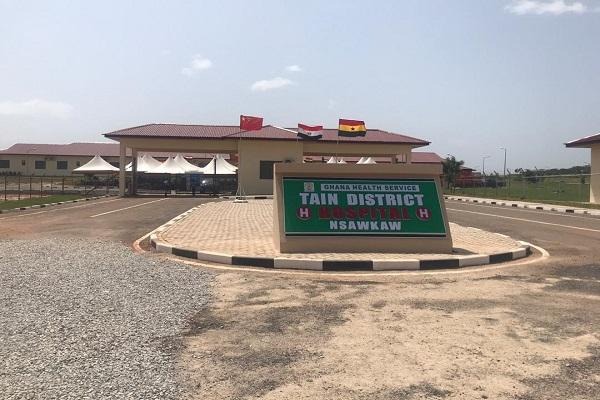
“In this district many people believe HIV is caused by spiritual issues or curses, so they first try remedies from home,” explained Beatrice Boatemaa, a community health nurse in the Tain Constituency.
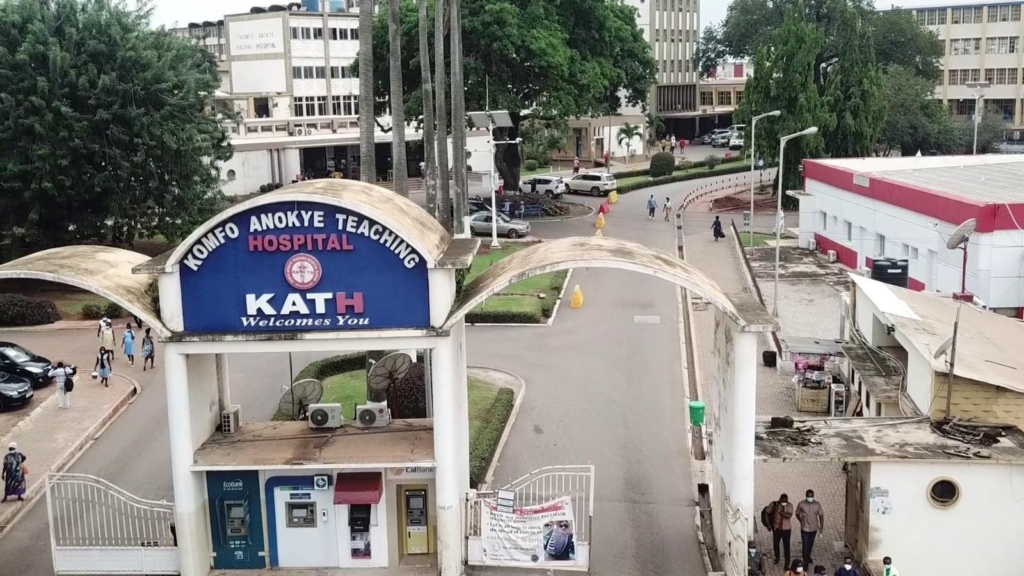
At Komfo Anokye Teaching Hospital, nurse Louisa Nina Frimpong sees similar patterns of delayed care.
“HIV starts off with you feeling the usual general body pains… Instead of coming to the hospital, they buy drugs from the pharmacy or take herbal mixtures,” she said. Stigma, she added, plays a major role in keeping patients away.
Both nurses believe more training is needed—especially for staff working with key populations.
Returning to the People at the Centre
In the end, the story circles back to the people at its centre.
It returns to the queer woman who now walks past her community clinic even when she is in pain, choosing discomfort over the possibility of ridicule.
It returns to the young gay man who sits quietly in distant waiting rooms, never revealing his identity, afraid that honesty will cost him dignity or proper care.
It returns to the mother who times her clinic visits with the rising and setting of the sun, determined not to be seen collecting the drugs that keep her alive.
And it returns to the nurses, working in small consulting rooms, trying to bridge the gap between policy and lived reality with limited tools and even less support.
Together, their experiences reveal a system whose promises of universal care remain uneven in practice.
Until the gap between policy and daily life closes, many in these key populations will continue to navigate illness alone—resorting to herbs, guesswork and silence, instead of the healthcare they are entitled to receive.
“This content received support from the Thomson Reuters Foundation as part of its global programme aiming to strengthen free, fair and informed societies. Any financial assistance or support provided to the journalist has no editorial influence. The content of this article belongs solely to the author and is not endorsed by or associated with the Thomson Reuters Foundation, Thomson Reuters, Reuters, nor any other affiliates”.
Latest Stories
-
Government procures over 2,000 transformers as Ghana’s electricity access hits 89.13% – Energy Minister
17 minutes -
UTAG-UG threatens strike on October 19 over unpaid allowance
25 minutes -
Let The Constitution direct Chieftaincy to deliver “All Development Is Local”
2 hours -
John Jinapor outlines renewable energy, nuclear power priorities for 2027
2 hours -
Ghana explores centre of excellence for hearing, communication and cochlear implant care
3 hours -
Schizophrenia-related disorders lead mental health cases recorded in Ghana
3 hours -
Dutch authorities enlist Ghana in hunt for fugitive drug lord Bolle Jos
4 hours -
Ghana housing finance conference adopts communiqué to improve affordable housing access
8 hours -
Special Initiatives Minister urges Wa Technical Institute to enrol more girls as EU-backed solar training lab opens
9 hours -
In the matter of my first year at the Bar
9 hours -
ActionAid Ghana calls for an end to child marriage, greater investment in girls’ rights
9 hours -
Newsfile to tackle World Cup visa scandal, beach demolitions, education strikes, BRICS bid
9 hours -
UK-Ghana Trade & Investment Summit: Trade Resource Centre to help businesses maximise UK-Ghana trade opportunities
10 hours -
Embassy of Denmark celebrates World Maritime Day
10 hours -
Linking LEAP to productive inclusion could cut extreme poverty by 2030 – UNICEF
11 hours