

Audio By Carbonatix
The Media Foundation for West Africa (MFWA) has criticised a High Court decision placing a perpetual injunction on freelance investigative journalist Innocent Samuel Appiah, describing the ruling as restrictive and troubling for press freedom.
MFWA Executive Director Sulemana Brimah stated that the judgment poses a threat to investigative journalism in Ghana and must be challenged.
The injunction, issued by an Accra High Court, bars Appiah from publishing or sharing any allegations concerning private individual Cynthia Adjei, who sued the journalist for breaching her privacy. The ruling prevents him from releasing investigative findings related to the matter across traditional and digital media platforms.
The court also awarded GH₵10,000 in costs against him.
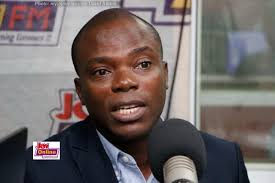
Speaking on Joy FM’s Super Morning Show, Mr Brimah labelled the ruling “bizarre,” arguing that it sets a dangerous precedent for accountability reporting.
“Investigative journalists have to stop their work or become employees of the Office of the Special Prosecutor (OSP), EOCO, and all these bodies. I think this is a very bizarre ruling, and it stifles journalism,” he said.
He further noted that the injunction is even more restrictive than the National Media Commission’s proposed content authorisation regime, which the Supreme Court struck down as unconstitutional.
According to him, the High Court’s position effectively prevents journalists from publishing information that may be in the public interest unless they submit it to law enforcement bodies first.
“The Supreme Court said, in cases of censorship, the journalist can publish whatever, but here he is being stopped. This ruling essentially says if you think you have anything, submit it to the authorities,” Mr Brimah explained.
He indicated that the MFWA will support any effort to challenge the ruling at higher courts, insisting that it is not sustainable in a democratic society.
The case has reignited long-standing concerns about press freedom, the protection of investigative journalists, and the balance between privacy rights and public interest reporting in Ghana.
Latest Stories
-
Government procures over 2,000 transformers as Ghana’s electricity access hits 89.13% – Energy Minister
25 minutes -
UTAG-UG threatens strike on October 19 over unpaid allowance
33 minutes -
Let The Constitution direct Chieftaincy to deliver “All Development Is Local”
2 hours -
John Jinapor outlines renewable energy, nuclear power priorities for 2027
2 hours -
Ghana explores centre of excellence for hearing, communication and cochlear implant care
3 hours -
Schizophrenia-related disorders lead mental health cases recorded in Ghana
3 hours -
Dutch authorities enlist Ghana in hunt for fugitive drug lord Bolle Jos
4 hours -
Ghana housing finance conference adopts communiqué to improve affordable housing access
8 hours -
Special Initiatives Minister urges Wa Technical Institute to enrol more girls as EU-backed solar training lab opens
9 hours -
In the matter of my first year at the Bar
9 hours -
ActionAid Ghana calls for an end to child marriage, greater investment in girls’ rights
9 hours -
Newsfile to tackle World Cup visa scandal, beach demolitions, education strikes, BRICS bid
9 hours -
UK-Ghana Trade & Investment Summit: Trade Resource Centre to help businesses maximise UK-Ghana trade opportunities
10 hours -
Embassy of Denmark celebrates World Maritime Day
10 hours -
Linking LEAP to productive inclusion could cut extreme poverty by 2030 – UNICEF
11 hours