

Audio By Carbonatix
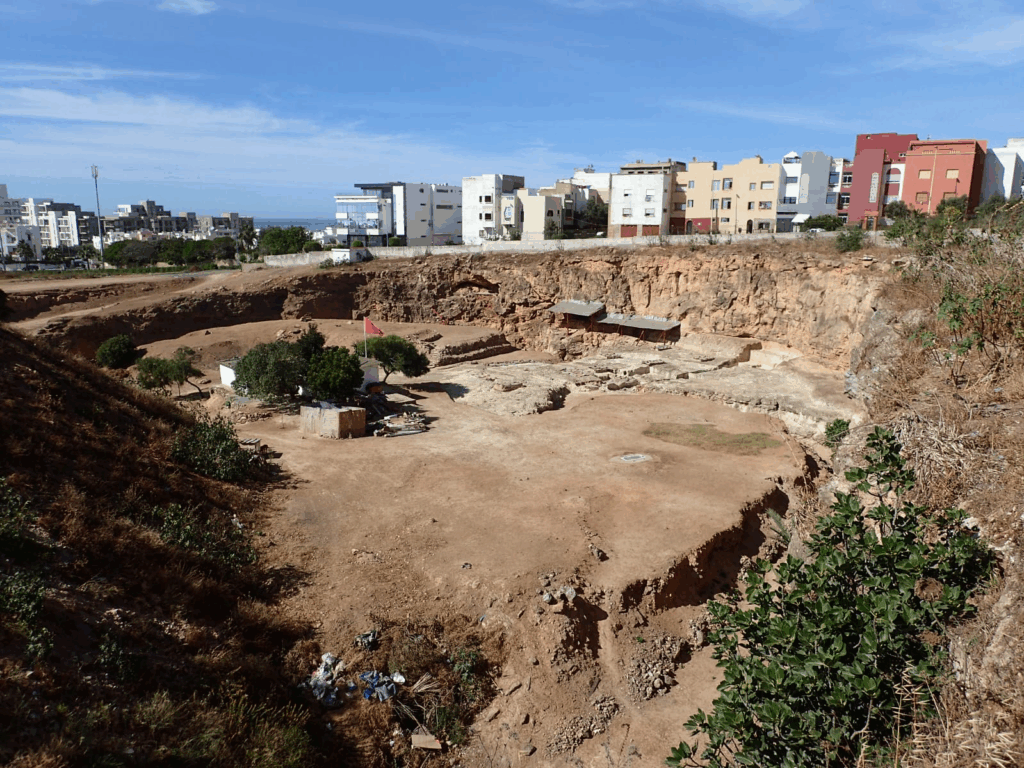
Human fossils uncovered in a cave at the Thomas I quarry near Casablanca are offering fresh insight into a critical phase of human evolution dating back about 773,000 years.
The discovery helps fill a major gap in Africa’s fossil record and reinforces the importance of North Africa in early human history.
The find was announced by Morocco’s Ministry of Youth, Culture and Communication following the publication of a study in the journal Nature on January 7, 2026.
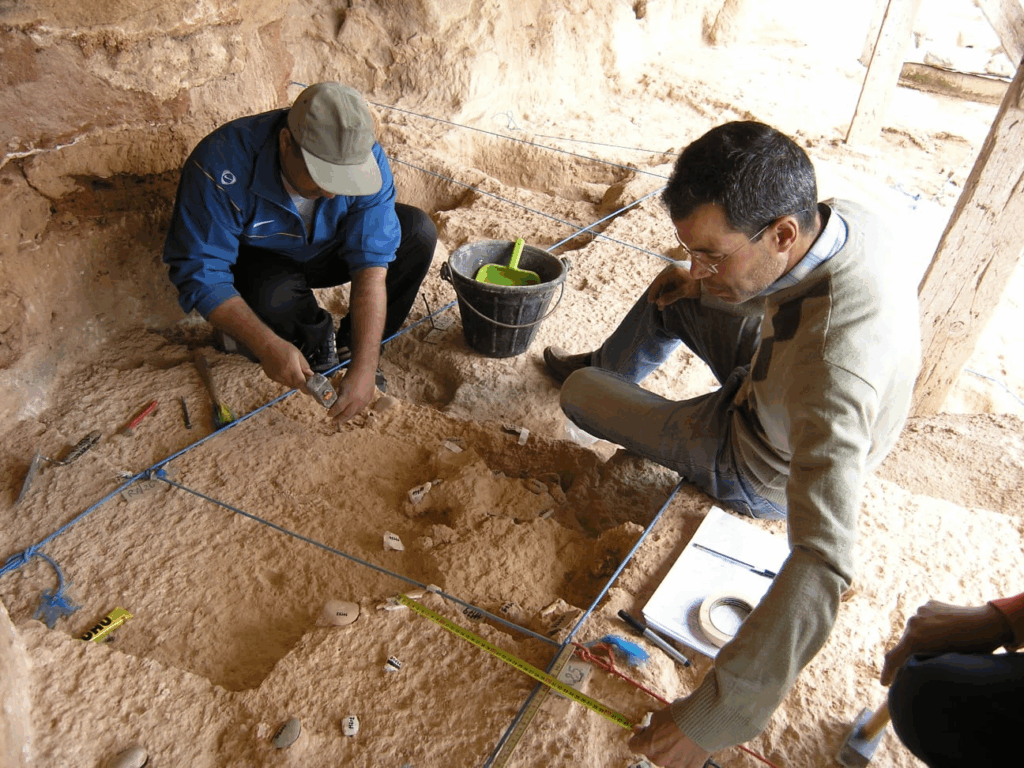
The research forms part of the long-running Prehistory of Casablanca programme, a Moroccan–French scientific collaboration involving Morocco’s Institut National des Sciences de l’Archéologie et du Patrimoine (INSAP) and France’s Ministère de l’Europe et des Affaires étrangères, through the French archaeological mission “Casablanca”.
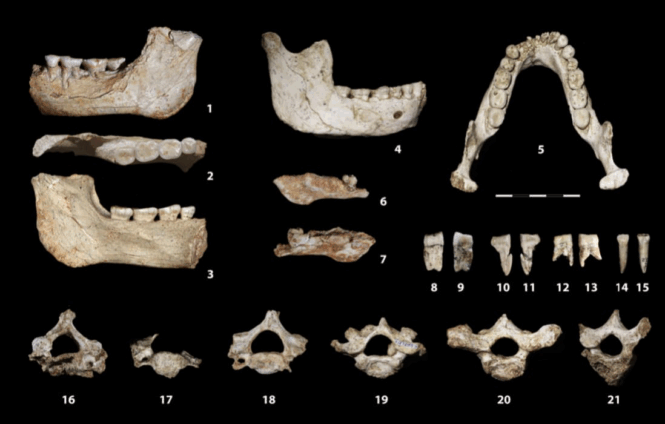
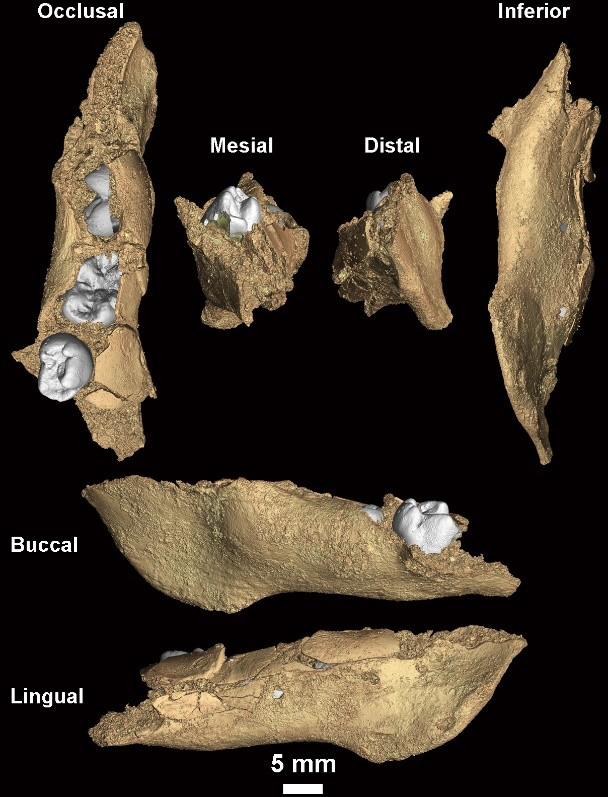
The fossils include several human mandibles from two adults and one child, as well as dental and post-cranial remains.
Analysis shows a distinctive blend of archaic features, similar to those seen in Homo erectus, alongside more derived traits linked to later human forms.
A major strength of the study is the precision of its dating. Using high-resolution magnetostratigraphic analysis, researchers identified evidence of the Matuyama–Brunhes geomagnetic reversal within the site’s sediments.
This event is dated to 773,000 years ago and provides one of the most reliable age estimates ever established for a human fossil site in Africa.
The fossils document human populations that are still poorly understood during this crucial period between early members of the genus Homo and more recent evolutionary lineages.
The timeframe aligns with palaeogenetic evidence suggesting a split between the African lineage leading to Homo sapiens and Eurasian lineages that later produced Neanderthals and Denisovans.
The mix of primitive and more modern traits in the Casablanca fossils points to populations closely linked to this major evolutionary divergence.
Researchers say this makes the site a vital reference for understanding the emergence of modern humans.
Beyond their scientific value, the discoveries underline the deep African roots of humanity and highlight the long-underestimated role of North Africa in human evolution.
The “Hominid Cave” at the Thomas I quarry is now regarded as a key site for studying early human populations on the continent.
Latest Stories
-
Herbert Mensah takes Africa’s sports economy case to the UN General Assembly Week in New York
3 minutes -
Parrott scores again as Betis beat 10-man Lille
3 hours -
Mbappe goes joint-fifth in the list as real Madrid beat Inter Milan
3 hours -
Police arrest suspects over murder, bank robberies, gold-related attacks
3 hours -
Pragyia rider gets three months prison term for biting Police Assistant
3 hours -
Palm wine tapper jailed for stabbing farmer
3 hours -
Travel and tour agent remanded over GH¢107,000 recruitment scam
3 hours -
Taxi rank executives arrested over alleged attempted murder
4 hours -
Galamsey operator who posed as pastor to defile student jailed 15 years
4 hours -
Court sentences pub owner, shop attendant for selling expired food, sanitary offences
4 hours -
Mac Allister ‘sad’ at no Liverpool contract offer
4 hours -
Ghana pays $3.5m to University of Memphis over scholarship debt
4 hours -
Fidelity Bank champions value chain approach to unlock Ghana’s agricultural potential
5 hours -
People don’t remember style of play – GFA Comms Director defends Quieroz appointment
5 hours -
Finance Ministry needs ‘refresher course’ in own records over GES recruitment – Adutwum’s spokesperson
5 hours