

Audio By Carbonatix
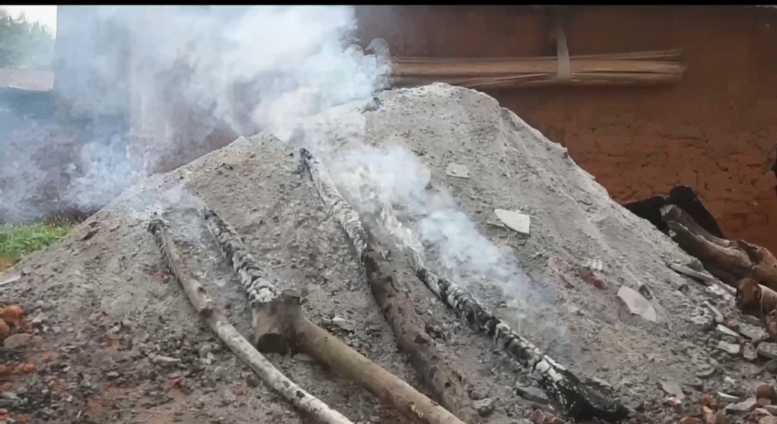
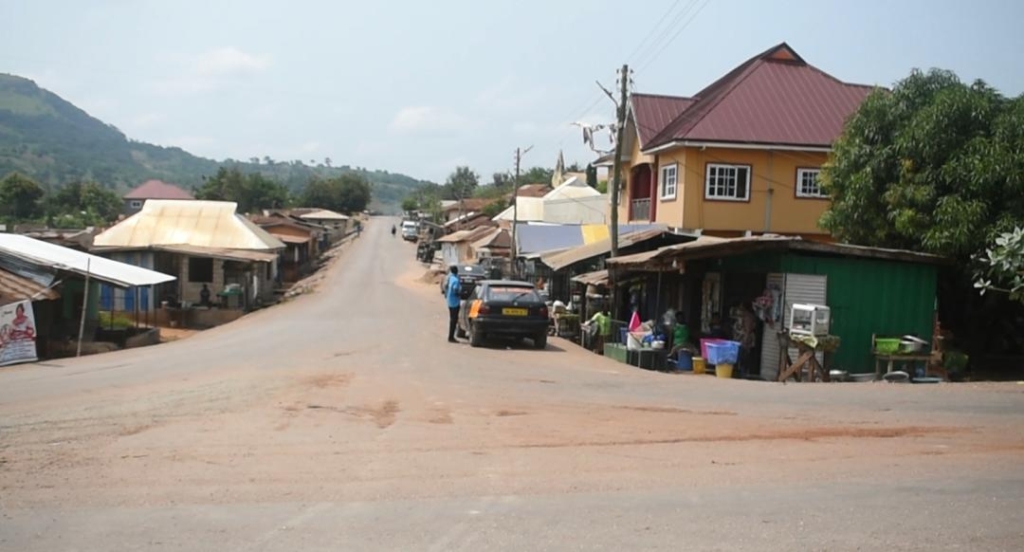
In Otekpolu, a farming community in Ghana’s Eastern Region, resilience begins with leadership and trust. Chiefs, queen mothers and youth leaders shape how new ideas are received, including decisions about energy use and environmental protection.
Yet, in many rural communities, clean energy interventions arrive without meaningful engagement. Solar lamps break and lie unused, LPG stoves are abandoned and improved cookstoves gather dust. Residents say they do not reject change, they reject being sidelined.
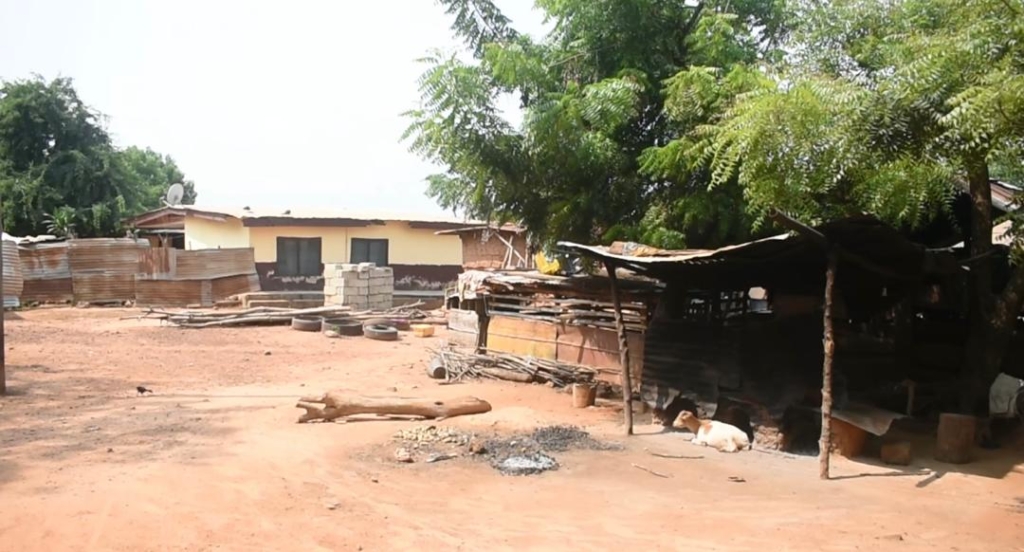
The Chief of Otekpolu, Nene Noryemi Omesu, believes education and inclusion are key to shifting long-standing energy practices.
“As a people, we are accustomed to using charcoal. LPG is often perceived as dangerous, largely because there has been little education on its proper use. With adequate education and awareness, this fear can be reduced. We can adapt to LPG, cut down our dependence on charcoal, and in the process protect our trees and the environment,” he said.
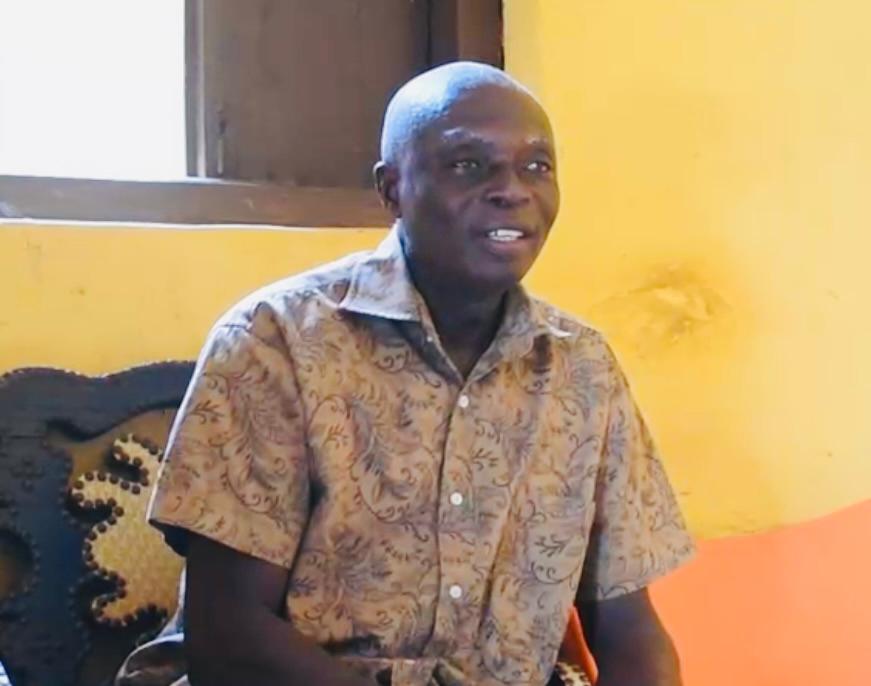
Despite growing awareness of the health and environmental risks associated with charcoal and firewood, many households remain constrained by cost and access.
Salomey Sakaa, a resident of Otekpolu, explained that economic realities continue to shape energy choices.
“Both LPG cylinders and refills are expensive, which is why many people still depend on charcoal and firewood. However, using these fuels exposes users to smoke inhalation, which has serious negative effects on health,” she noted.
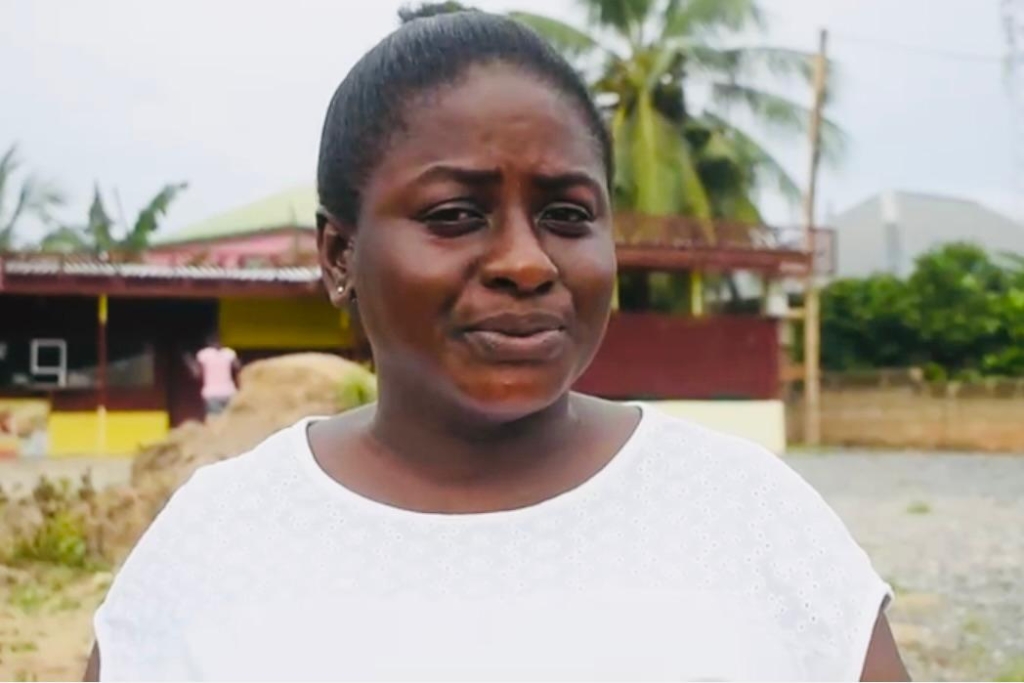
Another resident pointed to limited access as an additional barrier. “LPG is affordable and sustainable, but the filling station is too far. This is a farming community, and many people can’t afford the cylinders. If LPG were accessible, people would use it.”
Research supports these lived experiences. Studies, including Baker et al. (2021), show that when local leaders and communities are excluded from energy planning, projects often fail because they do not align with everyday needs and cultural realities.
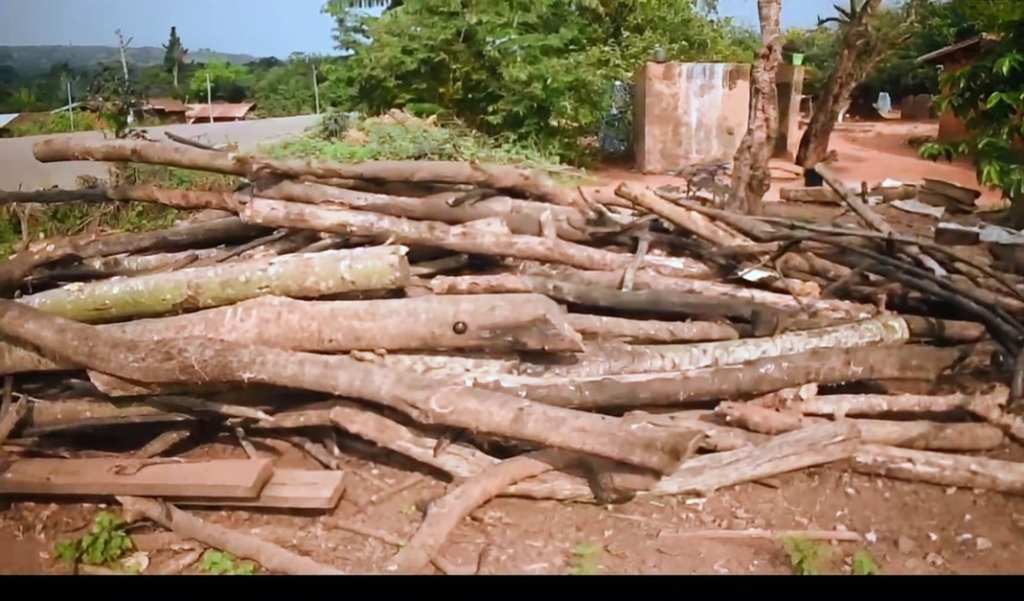
The implications go beyond wasted resources. Continued reliance on traditional fuels increases indoor air pollution, heightens respiratory illnesses, especially among women and children — and accelerates deforestation. This environmental degradation deepens vulnerability to climate impacts such as flooding, droughts and rising temperatures.
Climate and energy researcher Emmanuel Kwame Appiah says evidence consistently points to one conclusion: participation determines success.
“Clean energy projects work best when the people who use the technology are involved from the beginning. When communities feel marginalised during planning, it creates mistrust and leads to non-participation or project failure,” he explained.
He added that combining academic research with storytelling helps translate data into human reality.
“Research gives us evidence, but stories show how energy choices affect real families — their culture, fears and daily struggles. When we connect both, policymakers and the public understand that clean energy is not just about technology, but about people,” he said.

Mr Appiah stressed that policymakers and development partners must prioritise dialogue, respect for local knowledge and a sense of ownership.
“Engagement must come first. Community leaders should be involved, cultural values respected, and local people trained to maintain the technology. That is how clean energy solutions can be sustained,” he noted.
For Otekpolu, energy justice means being heard. When communities help shape solutions, clean energy adoption becomes more likely, protecting forests, improving health and strengthening resilience against climate shocks.
As Ghana advances its climate and energy agenda, the story of Otekpolu offers a clear lesson: resilient energy begins with local voices.
This article is part of a collaborative project between JoyNews, CDKN Ghana, and the Centre for Climate Change and Sustainability at the University of Ghana, with funding from the CLARE R41 Opportunities Fund.
Latest Stories
-
No politician can beat Bawumia in 2028 if voters focus on issues – Miracles Aboagye
2 minutes -
Mahama reaffirms Ghana’s investment drive, calls on global investors to partner in Africa’s growth
21 minutes -
Beyond the Numbers: Understanding the Bank of Ghana’s Domestic Gold Purchase Programme(DGPP)
1 hour -
AI can’t replace lawyers, Supreme Court nominee Anthony Forson warns
2 hours -
Teacher unions threaten strike over automatic promotion deadline
2 hours -
Over 400 companies ready to join 24-Hour Economy – Dr Rashid Pelpuo
2 hours -
Zanetor proposes CSIR funding for cassava, hemp-based alternatives to plastics
2 hours -
‘Judges don’t mingle with appointing authorities’ – Amoako Asante defends judicial independence
2 hours -
‘We’re getting close to A’ – Pelpuo rates government’s job creation B+
2 hours -
Suspended Catholic priest found at Koforidua Police Training Centre – Diocese
2 hours -
90% of planned strikes were called off under my tenure – Pelpuo
2 hours -
Petrosol has never defaulted on bank support in 12 years, says CEO
2 hours -
Mahama backs crackdown on airport workers begging visitors for tips
2 hours -
ICT can help clear court backlog – Supreme Court nominee Forson
2 hours -
Police ban concrete mixer trucks from Accra, Tema roads for three days
3 hours