

Audio By Carbonatix
On February 14, Chinese President Xi Jinping sends a congratulatory message to 39th African Union Summit and announces that China will implement zero-tariff treatment on all products from 53 African countries that have diplomatic relations with China starting from May, 1.
China will also continue to promote the negotiation and signing of economic partnership agreements for shared development, and further expand market access for African products by upgrading the “green lanes” among other measures.
In recent years, China has continued to expand market access for African countries, promoting exports of high-quality African products to China. By aligning China’s needs with Africa’s aspirations, China shares the opportunities of its vast market with the world, creating new space for mutually beneficial China-Africa cooperation.
Zero-Tariff Policy Helps African Products Expand into the Chinese Market
In 2025, China’s total imports reached RMB 18.48 trillion, making it the world’s second-largest import market for 17 consecutive years and accounting for around 10% of global imports. China grants zero-tariff treatment to all least developed countries, and later on extends this treatment to all 53 African countries that have diplomatic relations with China, becoming the first major developing country and global economy to take such a step, covering a combined population of about 1.9 billion, nearly one-quarter of the world’s total. In 2025, China’s imports from these economies exceeded USD 140 billion.
China has also facilitated African exhibitors’ participation in major exhibitions such as the China International Import Expo and the China International Supply Chain Expo, building bridges for African products to connect with the global market.
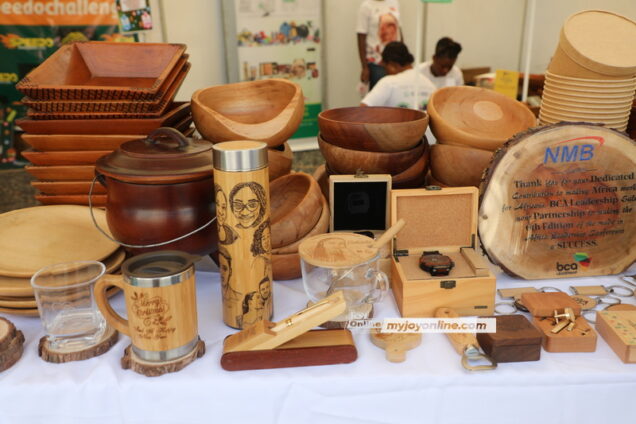
From Ghanaian black soap, Beninese pineapples, Rwandan dried chili peppers, and Kenyan avocados to Malawian peanuts, Mozambican nuts, and Madagascan lamb, a dazzling array of African products are crossing mountains and seas to enter the vast Chinese market.
Zero-Tariff Policy Drives the Development of African Industrial and Value Chains
China’s zero-tariff policy for African countries will promote industrial development in Africa, accelerate industrial chain upgrading, and advance industrialization and modernization. In 2025, China’s outward non-financial direct investment reached RMB 1 trillion, with investment in Africa increasing by 41% year on year.
China continues to support Chinese enterprises in pursuing high-quality global expansion by establishing overseas research and development centers and production bases. In 2025, the value of newly signed overseas contracts reached RMB 2.1 trillion, contributing to Africa’s economic growth and industrial upgrading.
China has also established more than ten “Luban Workshops” in countries such as Ghana, training large numbers of young workers with professional and technical skills.
Chinese-invested enterprises in Ghana, including Sunon Asogli Power, Africa World Airlines, steel companies, ceramics companies, and cement plants, etc., have all deeply integrated into the local society and greatly advanced Ghana’s industrialization process.
According to the Blue Book on China-Africa Economic and Trade Cooperation: Development Report on China-Africa Economic and Trade Cooperation (2025), the trade model between China and Africa is undergoing profound changes. The zero-tariff policy will promote deeper bilateral industrial cooperation, helping Africa shift from exporting raw materials to producing value-added goods.
A More Open China Leads Economic Globalization
Amid global instability and rising trade protectionism, China is further opening its market to African countries, promoting imports of high-quality African products, strengthening solidarity among and advancing the collective progress of the Global South to counter unilateralism and economic bullying in global trade.
There are no political conditions attached with China’s zero-tariff policy. It demonstrates China’s commitment as a major country in its cooperation with Africa, reflects its openness and sincerity toward cooperation with all nations, and underscores its firm support for a free and open international trading system.
By expanding unilateral openness toward Africa, China is committed to upholding the multilateral trading system centered on the World Trade Organization, steering universally beneficial and inclusive economic globalization, thereby fostering a trade and investment environment more conducive to the Global South.
Over the 65 years since the establishment of diplomatic relations between China and Ghana, the traditional friendship between the two countries has remained strong despite changing international circumstances.
China has long been Ghana’s largest trading partner and a major source of investment. In 2025, our bilateral trade reached a record USD 14.1 billion, increasing 19.3% year on year. Hundreds of Chinese enterprises are investing and operating in Ghana, supporting Made-in-Ghana productions and the Ghana’s industrialization drive.
This year marks the first year of China’s 15th Five-Year Plan and a crucial year for advancing Ghana’s “24-Hour Economy” Initiative and “Resetting Ghana” agenda. As one of the first African countries to benefit from China’s zero-tariff policy, Ghana’s export potential will be further unlocked, opening up broader prospects for mutually beneficial cooperation between our two countries.
Let us join hands to harness the momentum of China’s zero-tariff policy, and use the certainty of high-level bilateral opening-up and cooperation to offset the uncertainties in the global environment, injecting sustained and strong momentum into Africa’s development.
Latest Stories
-
Gender Ministry launches breast cancer campaign, pushes support over stigma
15 minutes -
Feed Ghana Programme cuts food import dependence
19 minutes -
Mahama welcomes Global Mercy Hospital Ships back to Ghana
23 minutes -
Tourism Minster calls for improved maintenance, consistent storytelling at tourist sites
29 minutes -
Katamanso Police Station appears complete outside but unfinished inside – Aidoo
35 minutes -
COMAC wants fuel taxes frozen to ease pressure on consumers
53 minutes -
COMAC pushes for crude oil revenue windfall to support struggling downstream sector
1 hour -
Gold slips before US payrolls data, set for second weekly loss
2 hours -
New Mexico wants Meta to pay up to $40 billion in penalties after data privacy trial
2 hours -
Oil rises slightly as market weighs mixed supply signals
2 hours -
Jordan ‘Last Dance’ jersey sells for £9m
2 hours -
Nigeria charges man with running fictitious government agency
2 hours -
COMAC renews call for full deregulation of fuel prices
2 hours -
Putin warns West that Russia is ready to use every weapon to protect Kaliningrad
3 hours -
Fuel sector overcrowded as 245 OMCs compete for market share – COMAC CEO
4 hours