

Audio By Carbonatix
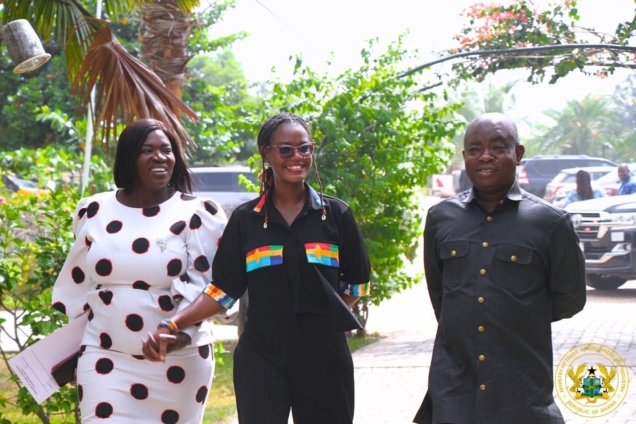
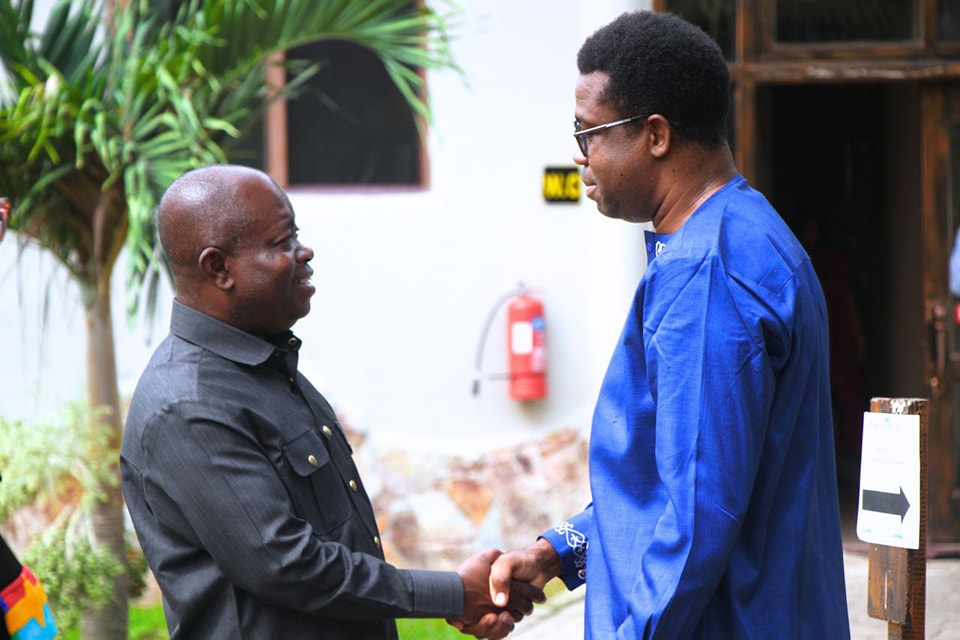
The Deputy Minister for Trade, Agribusiness and Industry, Sampson Ahi, has reaffirmed the government’s commitment to addressing trade facilitation challenges affecting Ghana’s textile and garment industry, describing the sector as a strategic pillar of the country’s industrialisation and export diversification agenda.
Speaking at the Public-Private Dialogue on Textile and Garment Trade Facilitation Challenges in Sogakope on Wednesday, February 19, Mr Ahi emphasised that the industry holds immense potential for job creation, particularly for women and youth, while strengthening Ghana’s position in regional and global value chains.
The two-day engagement, organised by the Ministry of Trade, Agribusiness and Industry in collaboration with TradeMark Africa (TMA), brought together government agencies, development partners, garment manufacturers, and key stakeholders to identify practical solutions to persistent operational challenges in the sector.
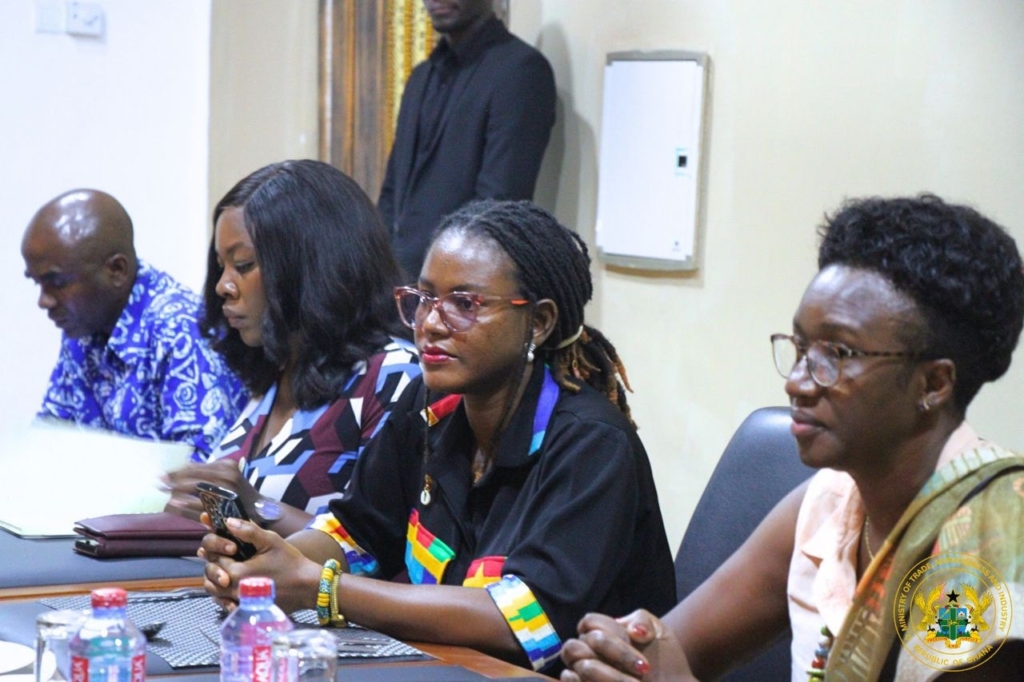
The Bodi lawmaker acknowledged that industry players continue to face constraints across the trade value chain, including customs and clearance procedures, compliance requirements, logistics bottlenecks, and underutilisation of trade facilitation schemes.
“This dialogue has been convened not merely as a forum, but as a partnership,” Ahi said, adding that the Ministry is committed to listening, learning, and collaborating with private sector actors and trade facilitation institutions to implement workable reforms.
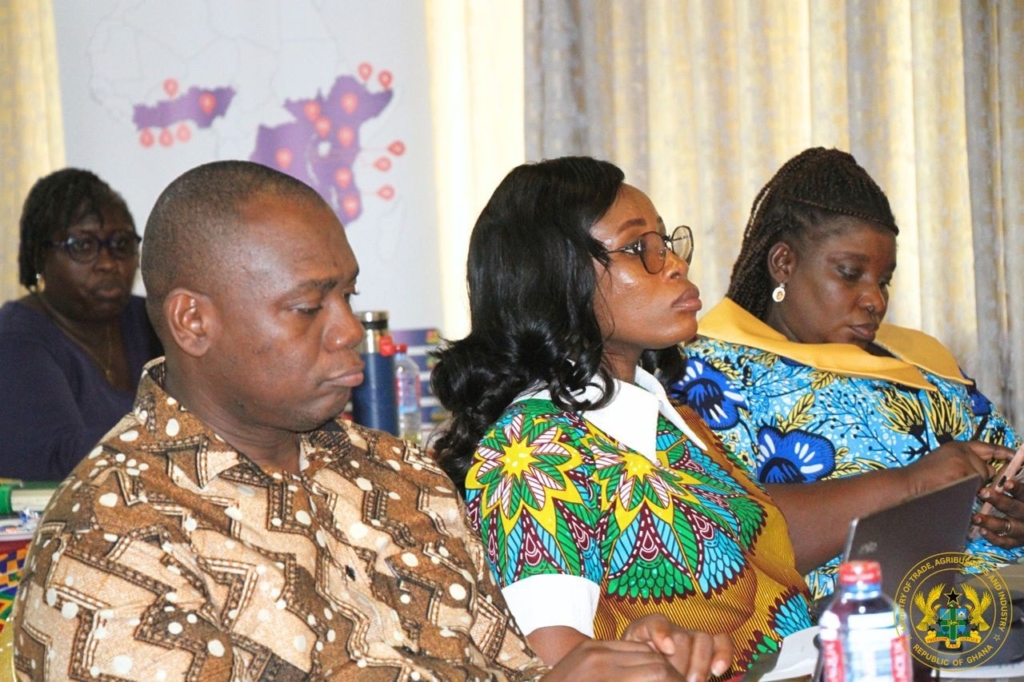
He highlighted the importance of the Authorised Economic Operator (AEO) Scheme for faster clearance, reduced inspections, and improved predictability for compliant businesses, and stressed aligning digital trade systems such as ICUMS with operational realities to enhance efficiency.
In her remarks, the Director for West Africa and AfCFTA at TradeMark Africa, Harriet Gayi, underscored the urgency of evidence-based trade facilitation reforms to reposition Ghana as a competitive garment manufacturing hub.
She noted persistent bottlenecks such as customs system downtimes, port hour misalignments, and documentation delays, which increase costs and reduce production days.
Madam Gayi praised the Ministry’s structured approach and stressed that private sector players are ready to scale to a 24-hour, three-shift production model once a predictable and enabling environment is secured.
Both speakers agreed that streamlining trade systems would boost production, create jobs, and expand economic inclusion, particularly for women and youth.
Latest Stories
-
Young girls demand climate action, stronger protection against child marriage
4 minutes -
Ex-gang boss sentenced to 40 years for orchestrating Tupac Shakur’s murder
4 minutes -
From near-deferral to three awards: UMaT graduate’s academic journey
7 minutes -
Atta Akyea denies seeking presidential pardon for Wontumi in galamsey case
44 minutes -
Photos: Mahama commissions 85-bed Police Hospital ward, donates two ambulances
53 minutes -
GTEC directs Ghana’s public universities to reopen by October 16 and begin lectures on October 19
54 minutes -
Star Oil donates GH¢1million towards construction of new CID facility
58 minutes -
Court hands Adjetey Sowah, two others lifetime bans after Amputee Football legal dispute
1 hour -
NDC appoints Julius Kwame Anthony as a Deputy Communications Director
1 hour -
Ghana repatriates 120 Nigerians rescued from suspected cybercrime centres
1 hour -
NPP rejects Emelia Agbenyo’s appointment as Deputy EC Chair, demands withdrawal
1 hour -
EOCO grants Suame MP John Darko enquiry bail in GH¢27m SIC investigation
1 hour -
NPP cannot question EC appointment after appointing own people to Commission – Kwakye Ofosu
1 hour -
BoG deepens public trust with regional stakeholder forum in Techiman
2 hours -
‘We have turned the tide’ – Ato Forson says Ghana is ready to take off
2 hours