

Audio By Carbonatix
Born into a family of nine and raised in poverty, life in Omanhinso village was a hard-fought journey from the start.
Meet 31-year-old Kwaku Boateng, an ambitious young man who envisioned himself clad in uniforms leading troops into battle. However, fate, unforgiving and unpredictable, had a different plan in store for him.
That moment was when he saw his dream of becoming a soldier in shambles. He had to make difficult choices to survive.
As poverty tightened its grip on his family, Kwaku found himself at a crossroads where obligation collided with desire. With no safety net and no room for indulgence, he made the most painful decision of his young life; his dream would have to wait—indefinitely.
He dropped out of school in Basic 6, when his parents could no longer afford his education. From that point on, life in the village became a daily struggle. Jobs were scarce, and hope was even scarcer.
Determined to escape the cycle, Kwaku accepted an offer from his uncle in Accra, who promised to introduce him to a friend working in masonry.

“My parents abandoned me because they simply couldn’t take care of me anymore,” he recalled. “I couldn’t bear life in the village. So when my uncle offered to help, I was overjoyed. Accra felt like a new beginning.”
That optimism, however, was short-lived. The man meant to train him turned him away, insisting that Kwaku return to school before learning the trade.
“All my joy vanished in an instant,” he said. “I was 20 years old. Going back to start again from Basic Six wouldn’t have helped me. I needed the job.”
It was the moment his world began to unravel. His uncle soon withdrew his support, giving Kwaku an ultimatum: return to the village or survive alone in the city. With nowhere to go, he chose the streets of Accra.
What followed was a harsh initiation into urban survival—days spent roaming the city in search of work, nights filled with hunger and uncertainty. Yet even in those darkest moments, Kwaku held onto another dream: acting.
“I’ve always loved films,” he said, his voice lifting. “Whenever I watch movies, I imagine myself doing the same.”
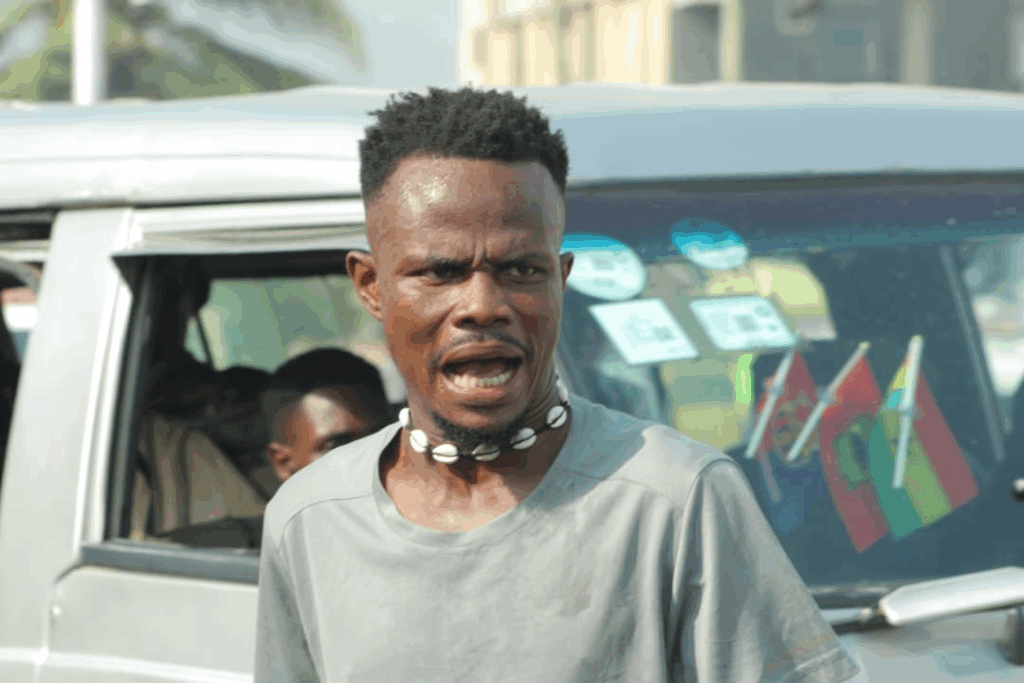
After weeks of searching, he finally found a production willing to take him on. But again, money stood in the way. He could not afford the weekly rehearsal fees.
Determined not to let the opportunity slip, Kwaku took a job as a bus conductor. The pay was modest, but it was insufficient to cover his rehearsals. He balanced long days on the bus with evenings spent honing his craft until his employer, unhappy with the arrangement, replaced him.
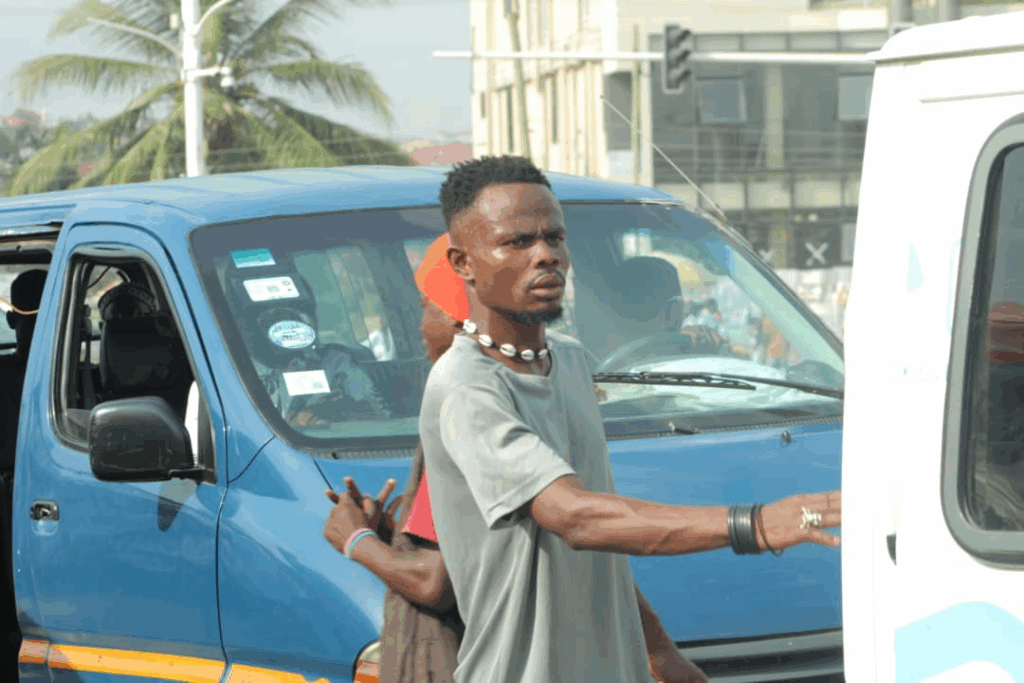
Over time, Kwaku’s dedication earned him recognition within acting circles. Occasionally, he was allowed to participate in productions without paying. Still, survival remained a constant battle. When finances grew tighter, he turned to work as a loading boy.
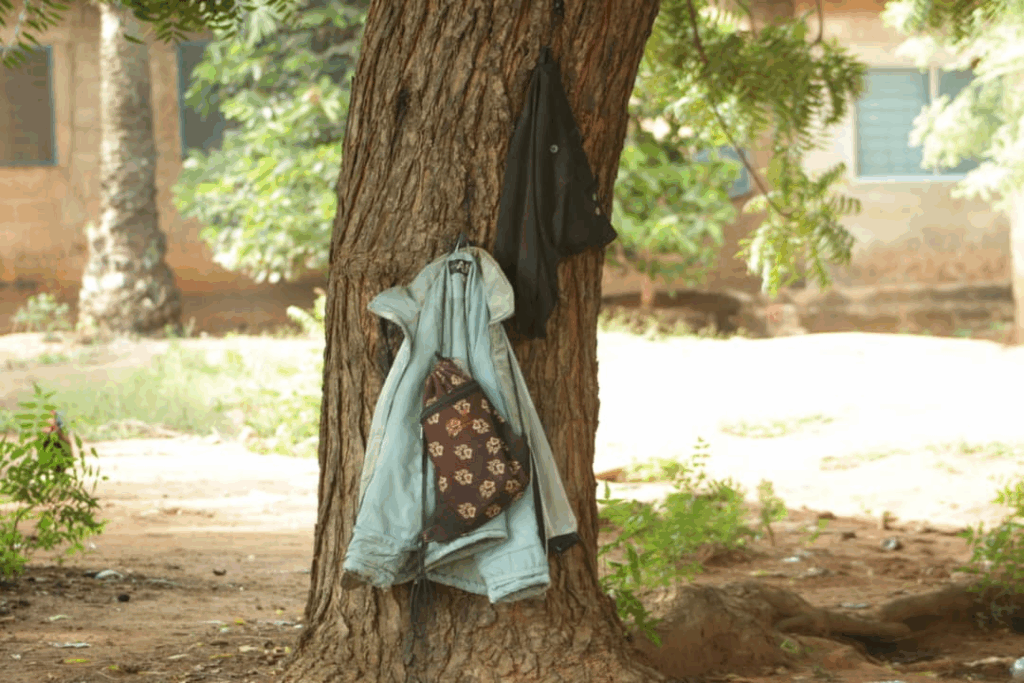
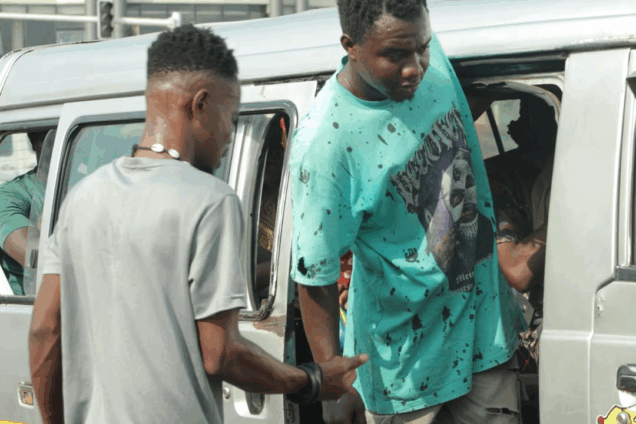
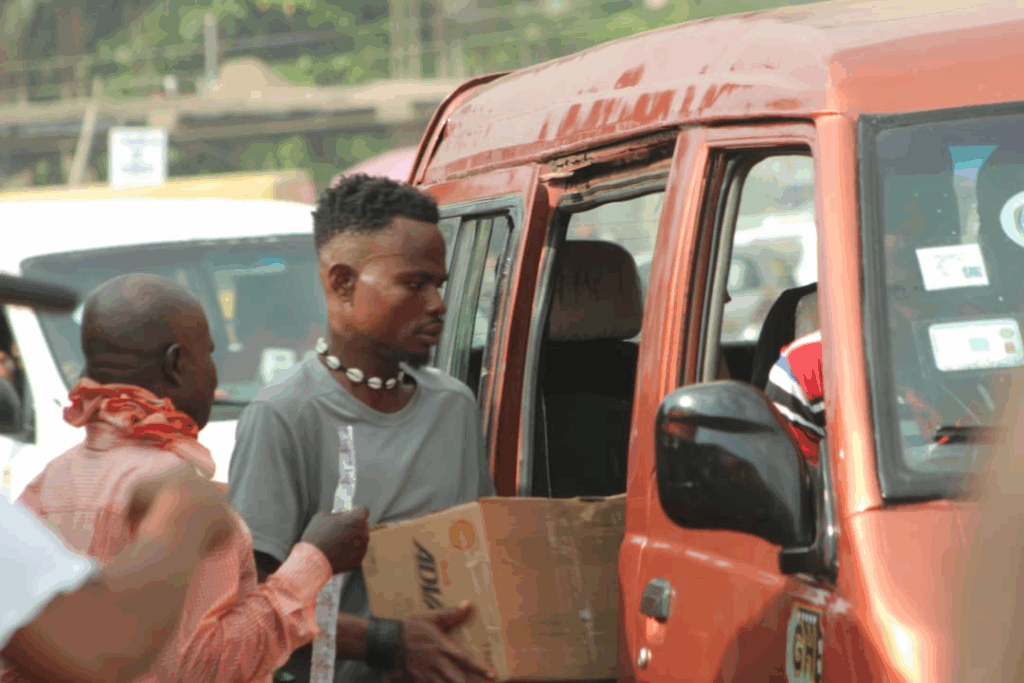
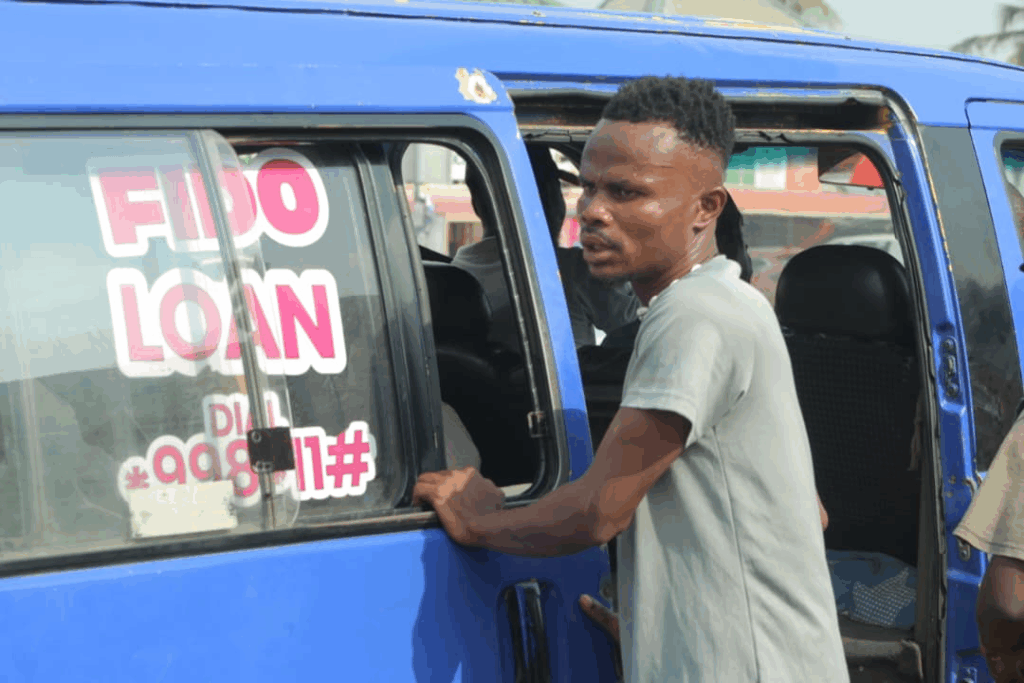
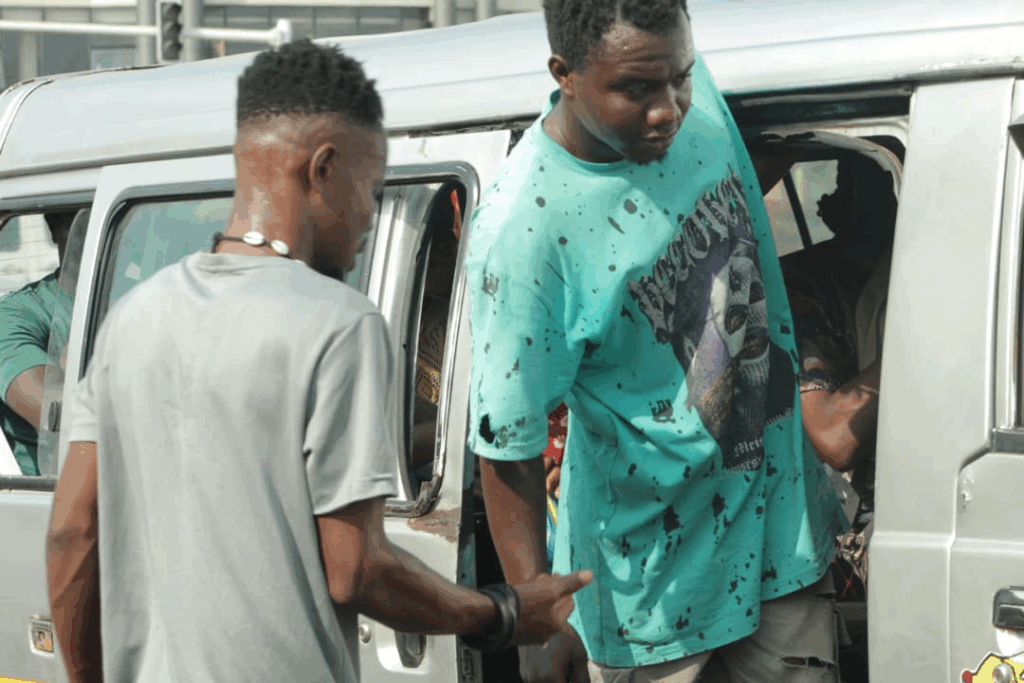
For the past three years, this has been his main source of income. At exactly 5 pm each day at Ablekuma Curve, Kwaku’s voice cuts through the chaos as he calls out destinations, hustling to fill 14-seater “trotros.” If you pass through and miss him, chances are he has already spotted you. For each bus he loads, he earns two to three cedis, bringing in between 20 and 30 cedis a day.
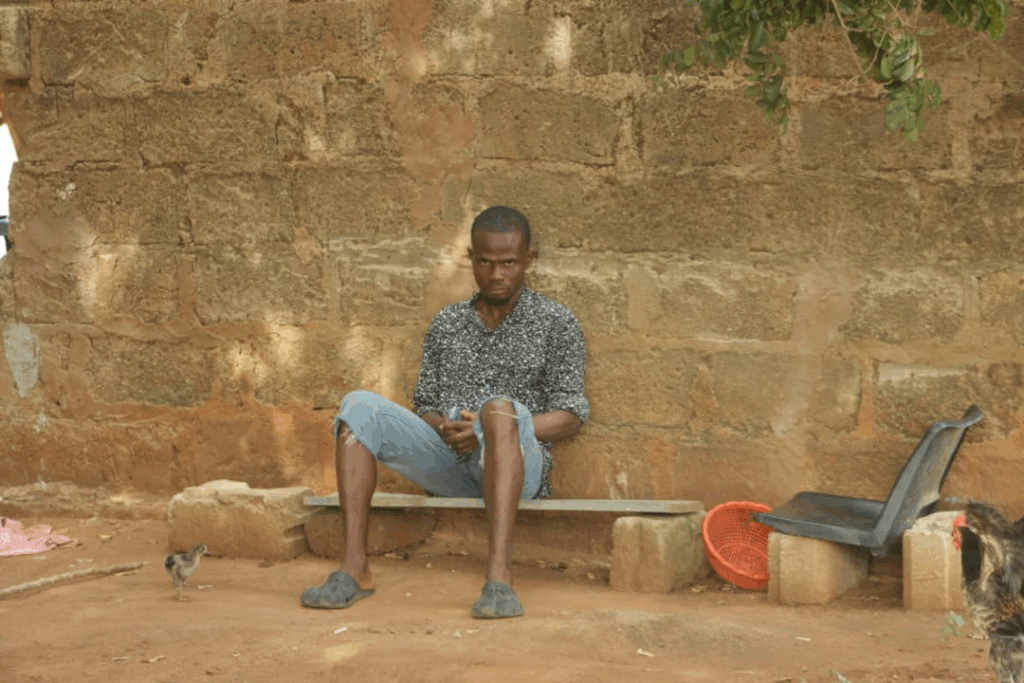
Acting, the passion he clings to, has brought little financial reward. He recalls being paid just 20 cedis for transport after giving everything to a role. Yet his resolve remains unshaken.
“When you have a dream, you have to grab it and never let go,” he said. “I won’t stop. I’ll push harder.”
When asked about rent, Kwaku broke down.
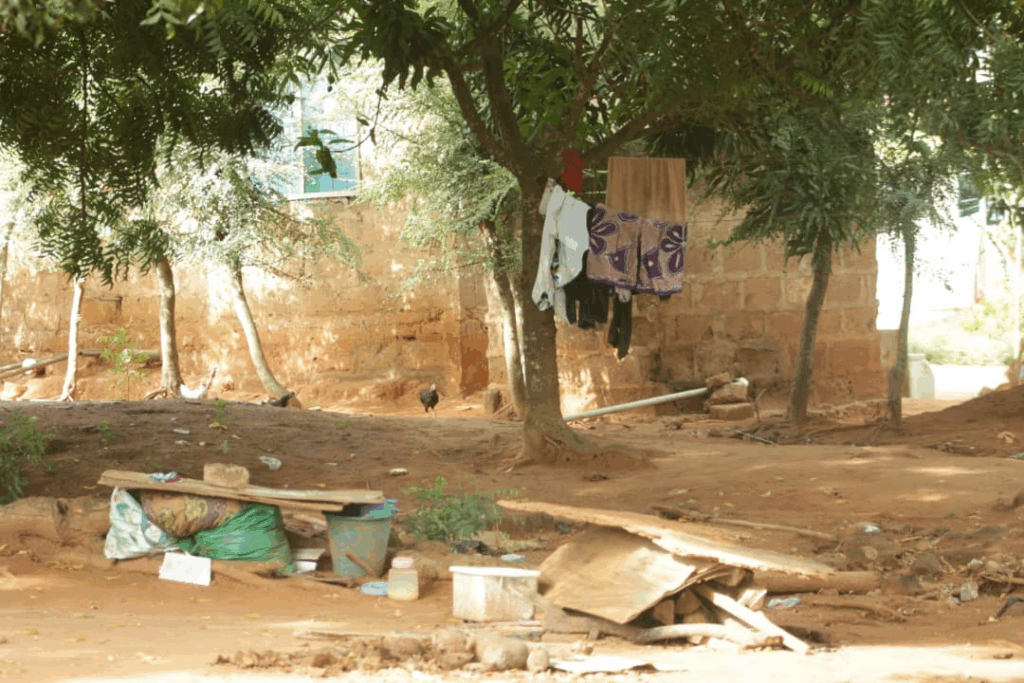
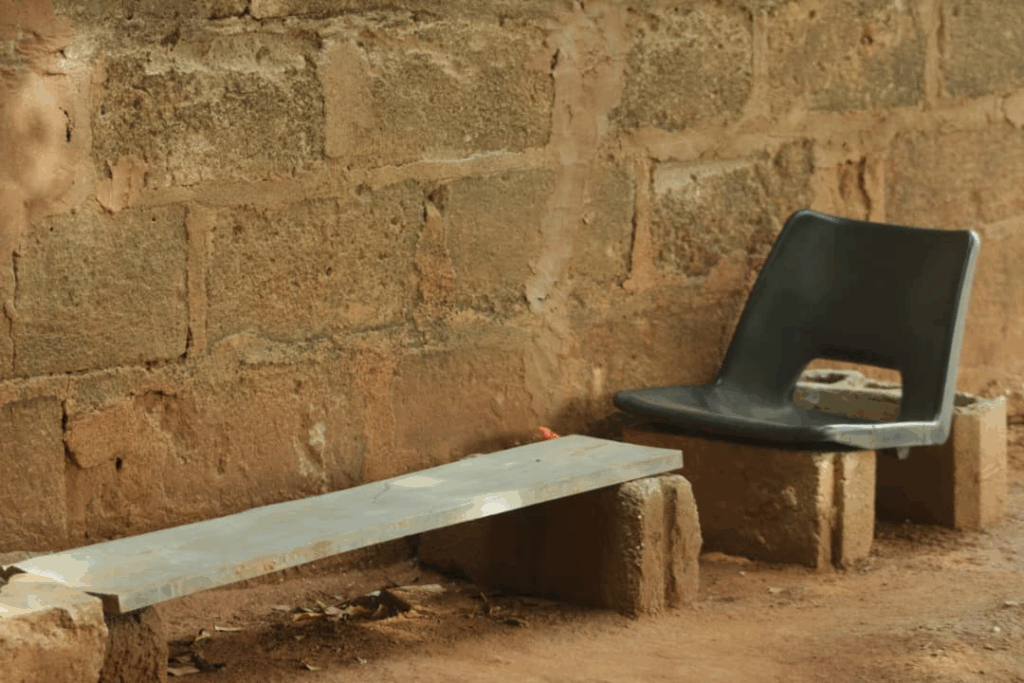
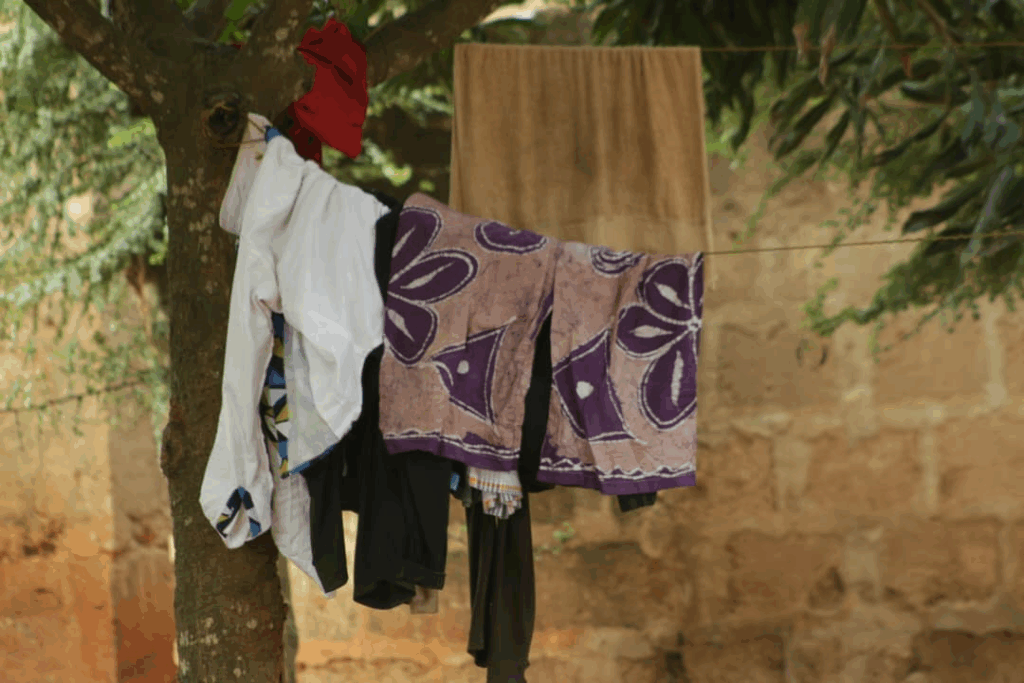
“Rent?” he echoed. “I’ve never dealt with a landlord. This tree is where I sleep. I’ve lived here for 10 years since coming to Accra. Only recently did a pastor allow me to stay in his church for a while. I’m 31 now. I have nothing to call my own—not even a room, let alone a wife or children. Life hasn’t been fair to me.”
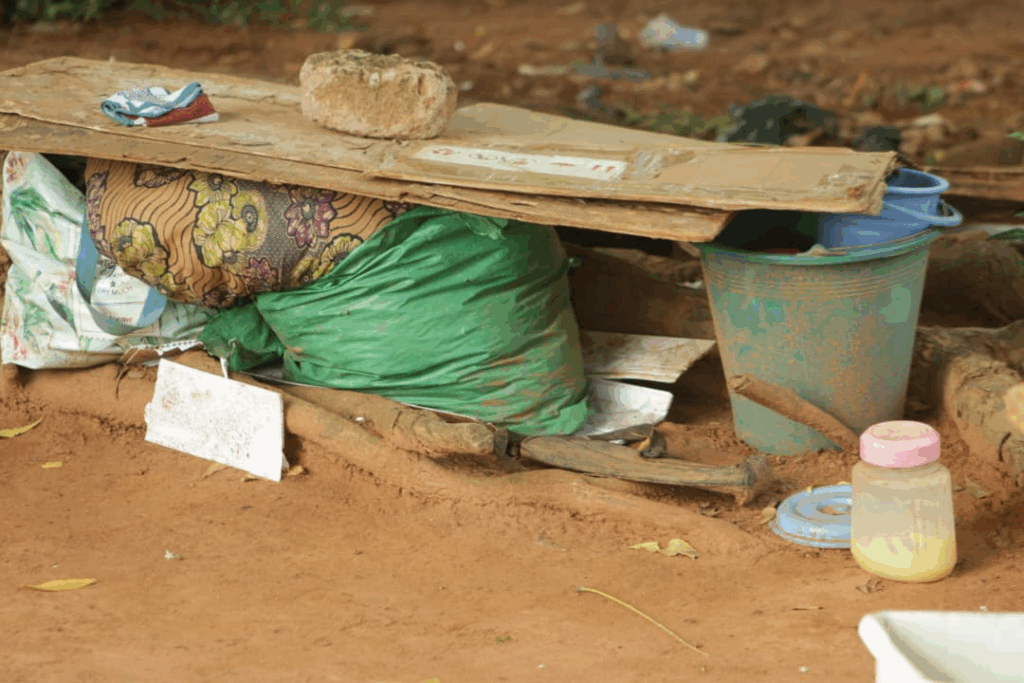
Still, surrender has never crossed his mind. If anything, hardship fuels his determination. With quiet humility, Kwaku appeals to the public for help—seeking stable work and, above all, a place to rest his head.
His dreams may be deferred, but they are not extinguished.
Latest Stories
-
Yale School of Management names Togbe Afede XIV as global chair
1 hour -
Citizen Attoh: The multifaceted voice of Ghana’s media and heritage
2 hours -
Breaking borders, building futures: How African-led AI is rewriting the rules of global innovation
3 hours -
Guinea orders dissolution of 40 political parties, including three main opposition groups
3 hours -
Dozens killed as Israeli special forces raid Lebanese village in search of 40-year-old remains
3 hours -
Trump demands ‘unconditional surrender’ from Iran as Putin speaks with Iran’s president
4 hours -
Iran Embassy in Ghana opens Book of condolence after death of Supreme leader in US-Israel attacks
5 hours -
GPL 2025/26: Vision FC cruise past Berekum Chelsea with emphatic 3–1 win
5 hours -
GPL 2025/26: Samartex held by Dreams FC as winless run extends to five
5 hours -
New Juaben North MP challenges gov’t to provide evidence of jobs created and cheap loans
6 hours -
Nadowli-Kaleo District marks 69th Independence Day with cultural exhibition, academic awards
6 hours -
Confusion, tension rock NPP polling station registration exercise in Tarkwa-Nsuaem
7 hours -
Burger King opens first Kumasi branch in Ahodwo
7 hours -
Burma Camp Tennis Club hosts successful 12th Ghana–Nigeria Independence Day Tennis Tournament
7 hours -
Rights, justice and action for all women and girls must include women and girls with disabilities
7 hours