

Audio By Carbonatix
The Akosombo Dam floods were not just a natural calamity; it was a test of governmental commitment to its citizens. One year later, that test remains unpassed.
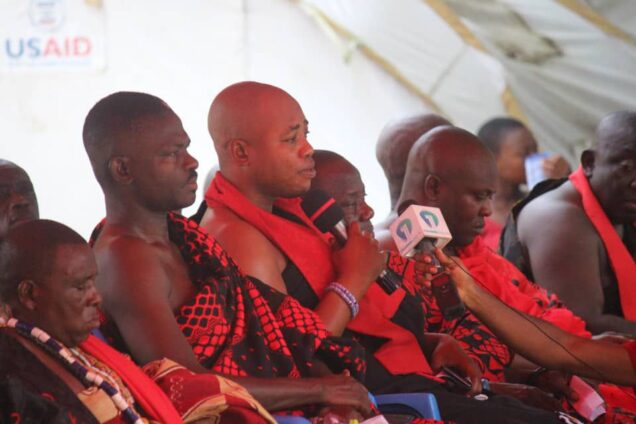
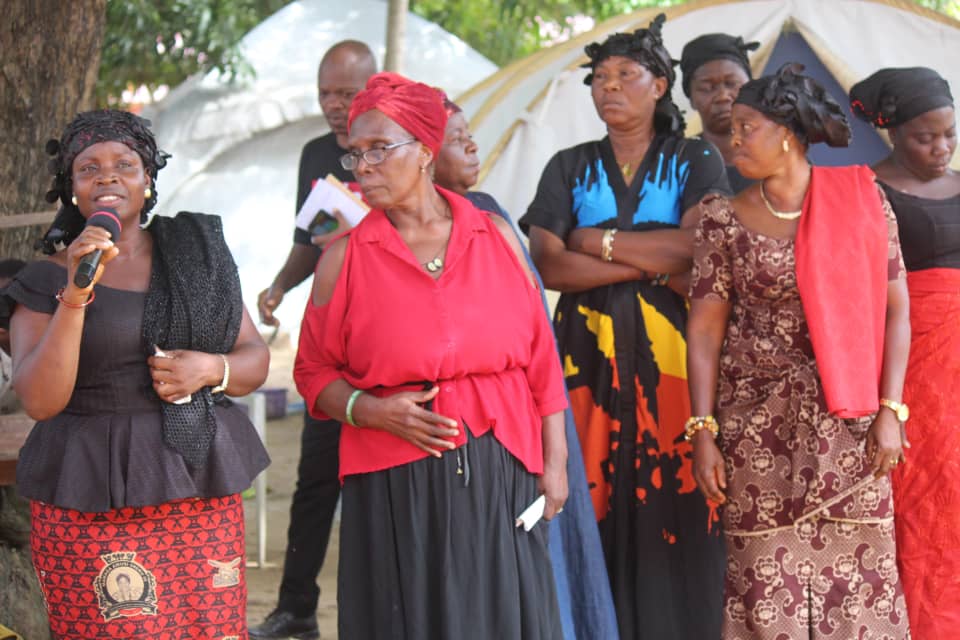
The anniversary of the disaster, marked by a gathering at the Degorme camp in Mepe, underscored the glaring gaps in disaster management and recovery efforts.
Despite occasional visits by government officials, tangible support remains absent. Over 200 individuals still live in makeshift shelters, battling exposure to harsh weather and health risks.

The MDA’s expenditure of over GH₵100,000 on camp maintenance is a testament to the community’s resilience but also highlights the absence of state intervention.
The Member of Parliament for North Tongu, Samuel Okudzeto Ablakwa, is leading efforts to seek legal redress. His initiative raises questions about governmental accountability and the mechanisms in place for disaster compensation.
The community’s demands, including compensation, housing, and psychological support, are not extraordinary—they are basic expectations in the wake of such disasters. The lack of response points to systemic inefficiencies that need urgent attention.
The disaster has reignited calls for a comprehensive national policy on disaster management. Stakeholders argue that such policies must prioritise prevention, swift response, and adequate post-disaster support.
Mepe’s proactive steps—conducting detailed data collection, maintaining the Degorme camp, and initiating vocational training projects—set an example of grassroots resilience. However, such efforts cannot replace the need for robust state action.
As Mepe remembers its darkest hour, the question lingers: Will the government rise to the occasion, or will the cries of displaced people fade into oblivion?
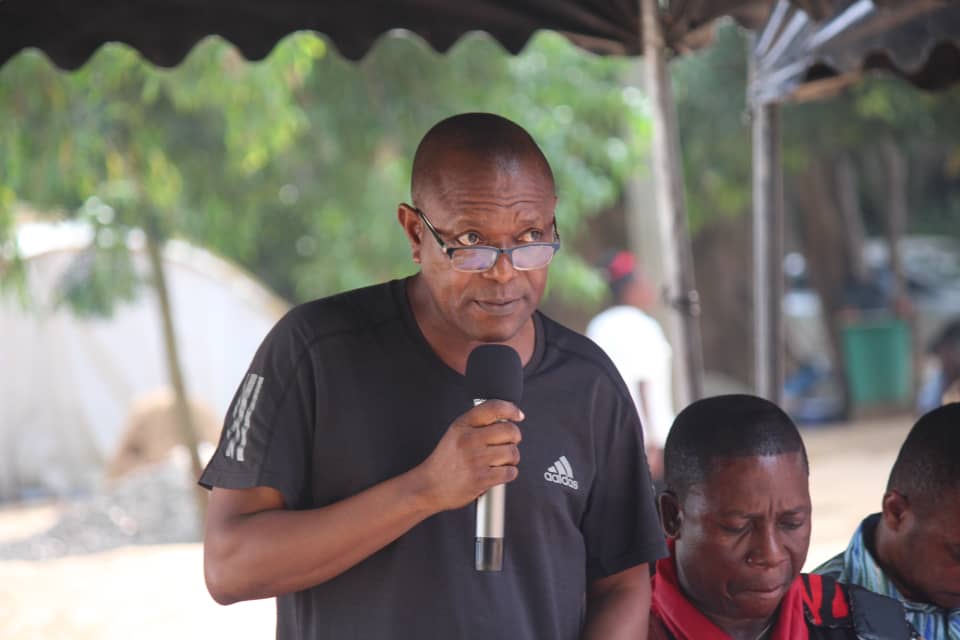
Chairman of the Mepe Development Association (MDA), Fabian Mawulenu Kojo, in his speech, highlighted the lingering struggles of the affected and the perceived failure of state intervention.
He said the government and its allied agencies should adequately and properly engage the Mepe Development Association, the traditional council and all other relevant stakeholders within the locality in all its engagements for the successful implementation of any of its intended interventions.
Latest Stories
-
ILTM Africa 2026 opens doors to inbound and outbound luxury travel in Cape Town
3 minutes -
“BP Soul Travel and Tours scored the highest marks” – Sports Minister Kofi Adams endorses agency for World Cup travel
7 minutes -
‘At the age of 12, I was teaching people and collecting money from them’ – Forty Under 40 Awards
1 hour -
I broke my virginity at the age of 26 after university – Richard Abbey Jnr.
2 hours -
Sacked for fees, saved by faith: The untold story of Forty Under 40 Awards founder Richard Abbey Jnr
3 hours -
GCB Bank surges GH¢0.45, ETI gains GH¢0.06 as GSE ends week higher
3 hours -
Two teens jailed 55 years for robbery
4 hours -
UDS demands apology for MPhil student wrongly branded as Tamale robber
5 hours -
“We don’t sell fish!” – Tema Shipyard CEO hits back over dead fish discovery
5 hours -
Sam George defends anti-LGBTQ+ Bill as ‘national priority’ amid debate over gov’t focus
6 hours -
Artemis II astronauts safely back on Earth after trip around moon
6 hours -
Sam George unveils massive 1,150-cell site rollout to end network woes
6 hours -
This Saturday on Prime Insight: Fuel levy suspension, LGBTQ+ legislation, and Damang Mine controversy
7 hours -
Struggling Real suffer title blow with Girona draw
7 hours -
Mahama nominates Pamela Graham as Auditor-General
8 hours