

Audio By Carbonatix
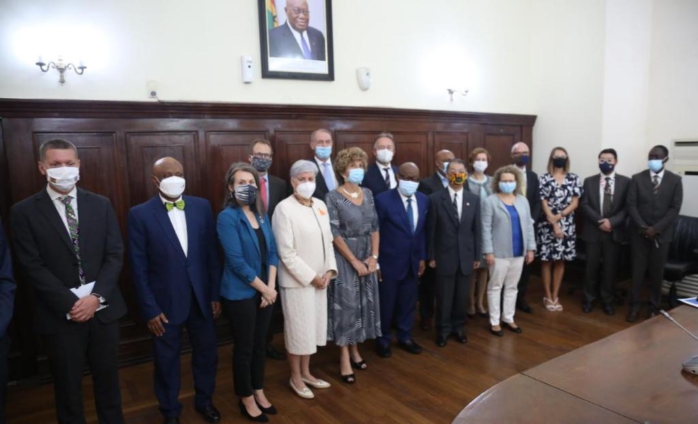
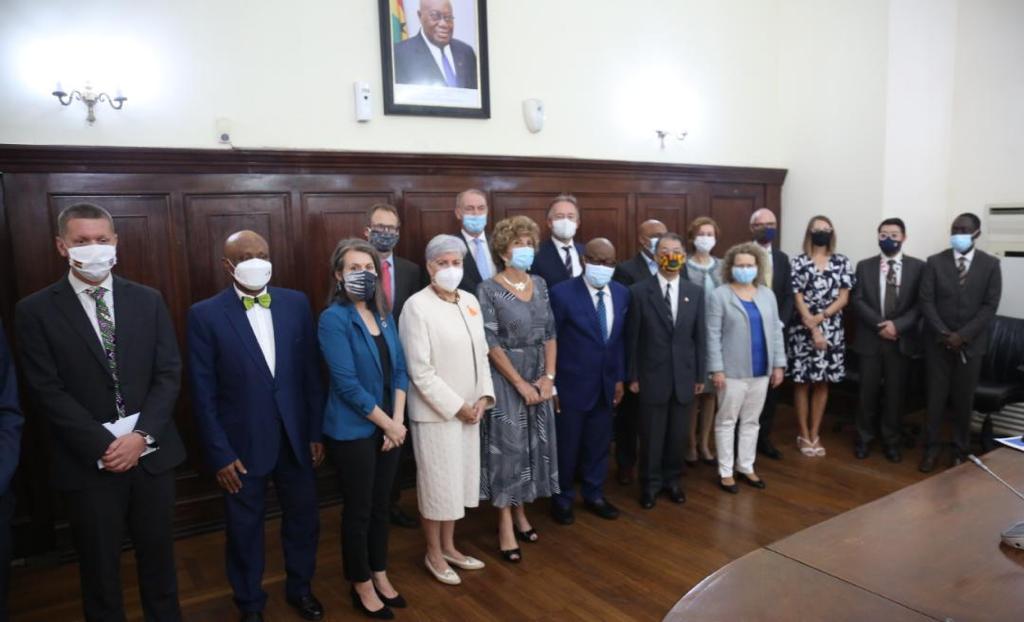
The Speaker of Parliament, Prof. Aaron Michael Oquaye has held deliberations with a cross-section of development partners, ambassadors and international representatives on finding ways to forgive Africa’s debt.
This is in the face of the Covid-19 pandemic and the challenges that have faced African economies in particular, as a result.
This forms part of efforts African Speakers’ Debt Cancellation Campaign Initiative (DCCI).
In the wake of the pandemic, the World Bank forecasts that Sub-saharan Africa will collectively fall into recession for the first time in 25 years.
The World Bank statistically projects that between 26 and 39 million people in the region are at a high risk of falling into extreme poverty.
The Jubilee Debt Campaign report also indicates that 20 African countries now face increased difficulties with 50% of African countries spending more on debt repayments than they do on healthcare and education, which are key for human capital development.
Prior to the pandemic, the debt levels of numerous African countries were reaching unsustainable levels.
According to information from the IMF, debt-to-GDP ratios in African countries have increased from an average of 43% to 62% from 2013 to 2018.
It said 22 African countries have debt-to-GDP ratios of over 60%, the threshold set by the African Monetary Cooperation Program for prudent debt levels.
Prof. Oquaye, speaking on behalf of Conference of Speakers & Heads of African Parliament (COSAP) urged development partners and developed nations to consider cancelling debts for developing countries in Africa, since this is a perennial matter.
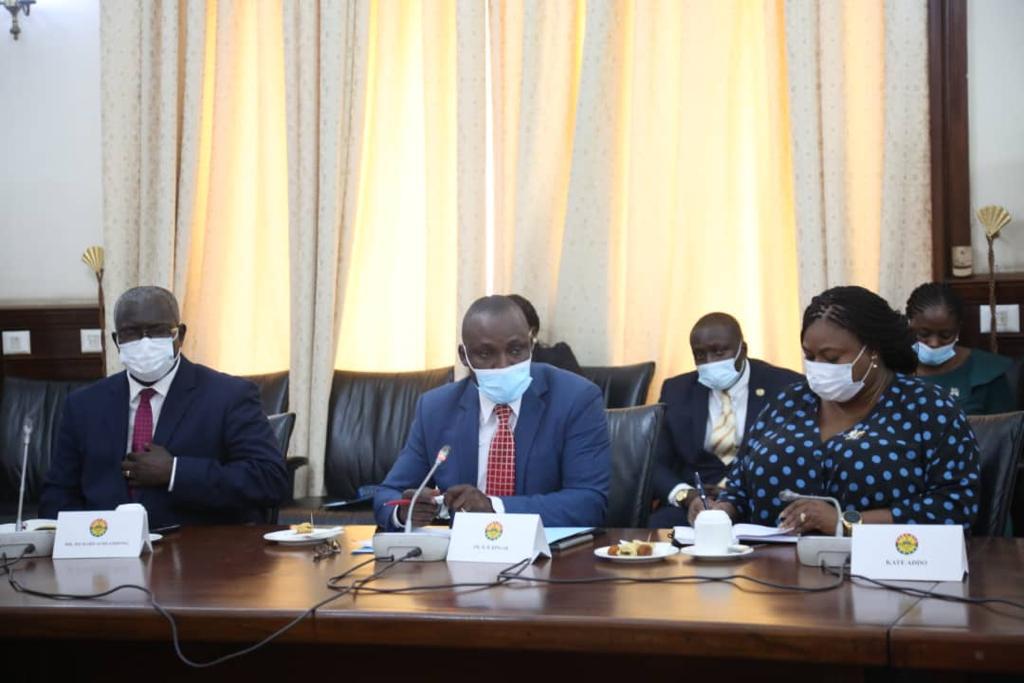
The Speaker insists that there is an urgent need for debt cancellation since African countries are facing challenges including in health expenses and other expenses, shortfalls in petroleum, a slowdown of foreign direct investments and reduction in trade volumes.
Other challenges are a decline in international price of crude oil, exchange rate volatility and debt service difficulties, an increase in the price of food and water.
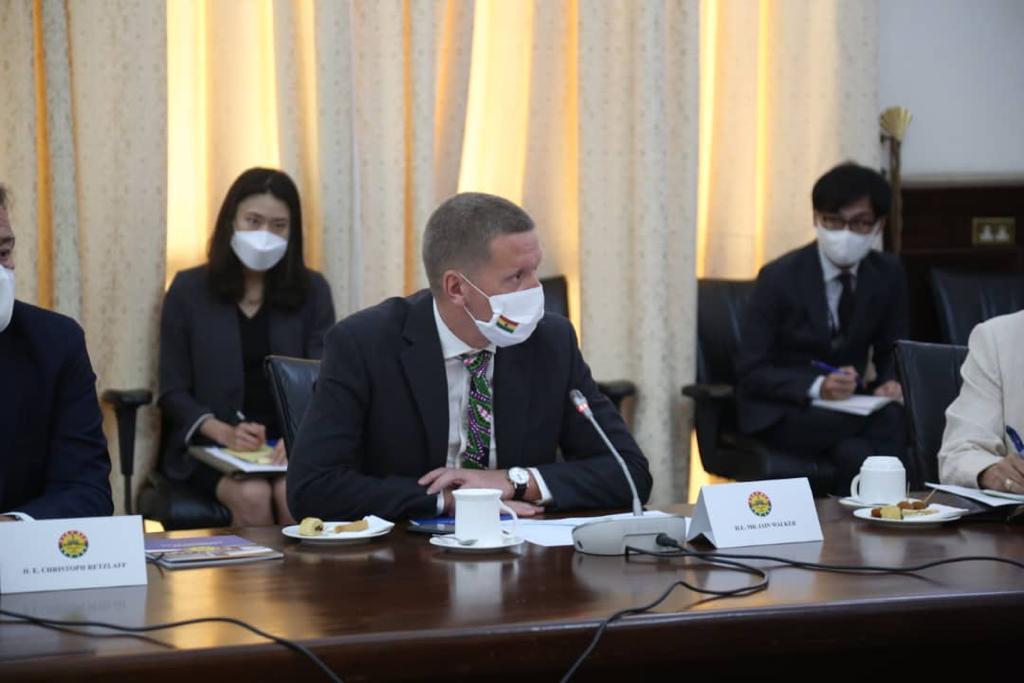
Prof Oquaye said in the light of global advocacy efforts, the establishment of a more cohesive pan-African parliamentary voice to support the global and regional campaigns for Africa’s debt cancellation has become imperative.
He stressed that the African Speakers’ Debt Cancellation Initiative was birthed as a means to establish that cohesive pan-African parliamentary voice of the continent to support the global campaigns advocating for Africa’s debt cancellation.
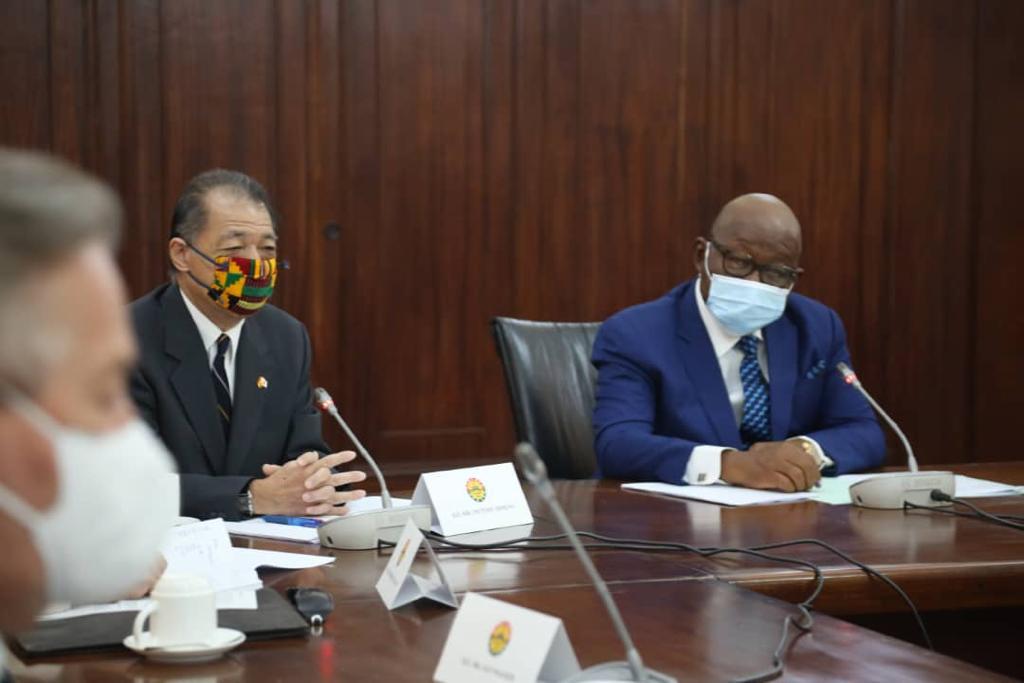
The Japanese Ambassador to Ghana, and Chairman of Heads of Mission of Development Partners Tsutomu Himeno, speaking on behalf of his colleagues said developed nations are open to discussing debt cancellation for Africa, taking the total sum of the Covid-19 pandemic on all countries in the world.
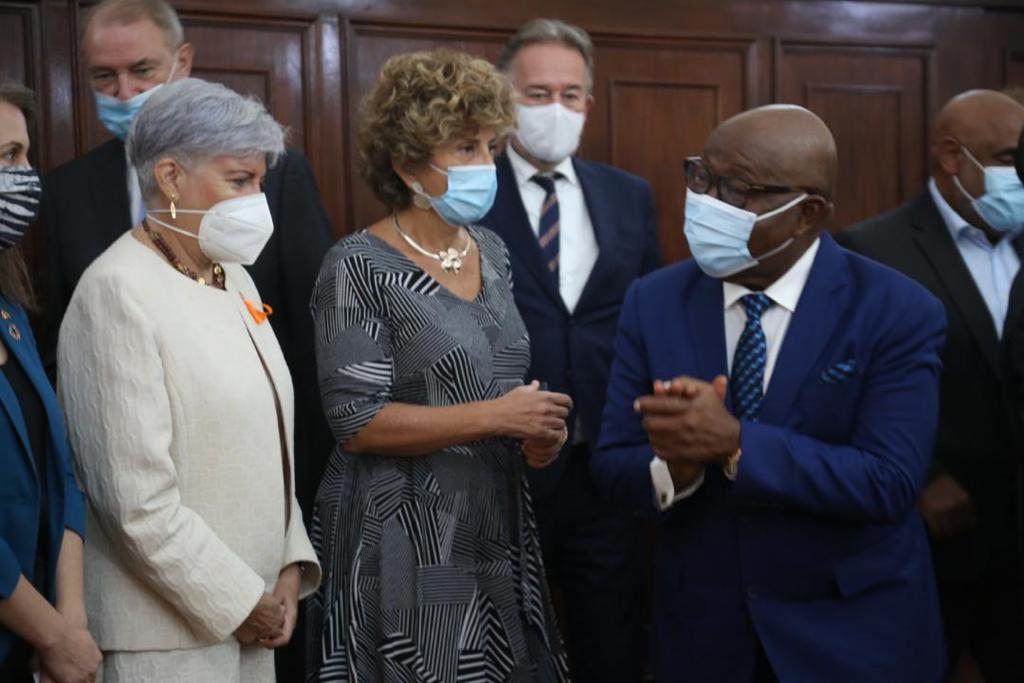
One of the key issues that also came to the fore was that the lending architecture of the world has changed drastically and nations are no longer the major world lenders.
There is, therefore, the need to address issues of debt forgiveness, cancellation or suspension to the appropriate quarters.
The British High Commissioner Ian Walker expressed the UK’s preparedness to work towards easing Africa’s economic difficulties.
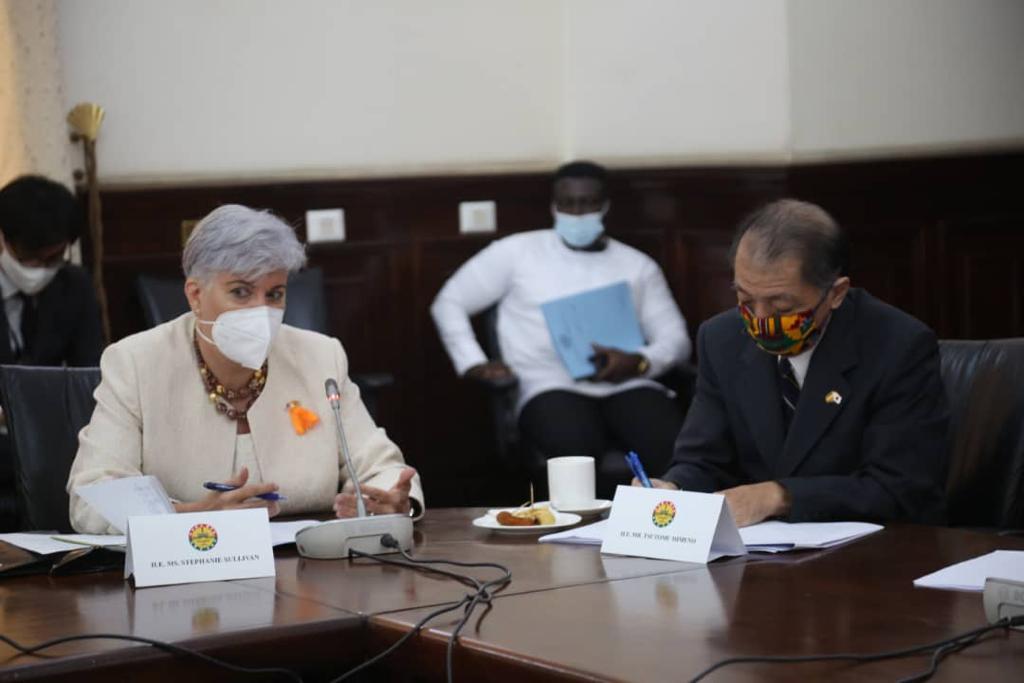
The American Ambassador, Stephanie Sullivan referred to the interventions of the Highly Indebted Poor Countries programme and how those were to cure the ills of debt burden in African countries.
The American ambassador urged African countries to refer to the lessons learnt from that intervention to avoid future occurrences.
The formation of the Conference of Speakers and Heads of African Parliaments (COSAP) was proposed by the Speaker of the House of Representatives of Nigeria, Rt. Hon. Femi Gbajabiamila.
The founding members include Prof. Aaron Michael Oquaye, Speaker of Parliament; Tagesse Chafo, Speaker, House of Peoples Representatives, Ethiopia; Justin Bedan Muturi, Speaker, National Assembly, Kenya; Femi Gbajabiamila, Speaker, House of Representatives, Nigeria; Donatille Mukabalisa, Speaker, Chamber of Deputies, Rwanda; Moustapha Niasse, AFP, President, National Assembly, Senegal and Thandi Modise, Speaker, National Assembly, South Africa.
Latest Stories
-
Tarkwa court jails labourer for three years over GH¢123,000 theft
4 minutes -
GAEC must retain nuclear scientists for Ghana’s nuclear ambitions – Minister
35 minutes -
Man reportedly mistaken for game and shot by hunter dead in forest
38 minutes -
19-year-old mason jailed 15 years for defiling seven-year-old pupil
42 minutes -
Ghana’s banking sector assets rise 20.47% to GH¢500.2bn – BoG Governor
46 minutes -
22 injured as Sprinter bus overturns at Sege after tyre burst
48 minutes -
UN housing expert urges Ghana to strengthen Rent Control Department amid housing affordability concerns
56 minutes -
Delta-BCI partnership reaches 166,000 people with breast cancer education
1 hour -
Power restoration fault suspected in Kumasi Central Market fire
6 hours -
The 7-foot giant of Ngleshie Amanfro: Seven-foot Ghanaian Ephraim Saawa dreams of joining the national basketball team
7 hours -
Government promises support for Kumasi Central Market fire victims
7 hours -
Vibes The Movie: Big Ghun’s Ghanaian film earns five nominations at 2026 REFFA
8 hours -
‘I’m a fulfilled man’—Justice Korbieh on missing out on Supreme Court despite two nominations
8 hours -
MamaCare CEO warns unresolved conflicts among health workers could undermine maternal and neonatal care
8 hours -
Health professionals urged to translate medical knowledge into practice to save mothers
8 hours