

Audio By Carbonatix
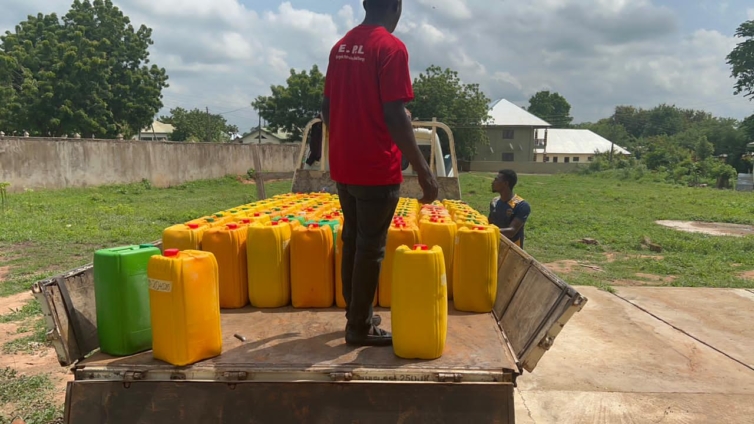
An awardee of the JoyNews Impact Makers, Dr Kwame Sarkwah Aidoo makes strides as he transports the first-ever honey bees from Donkorkrom in the Eastern Region to major cities across the country.
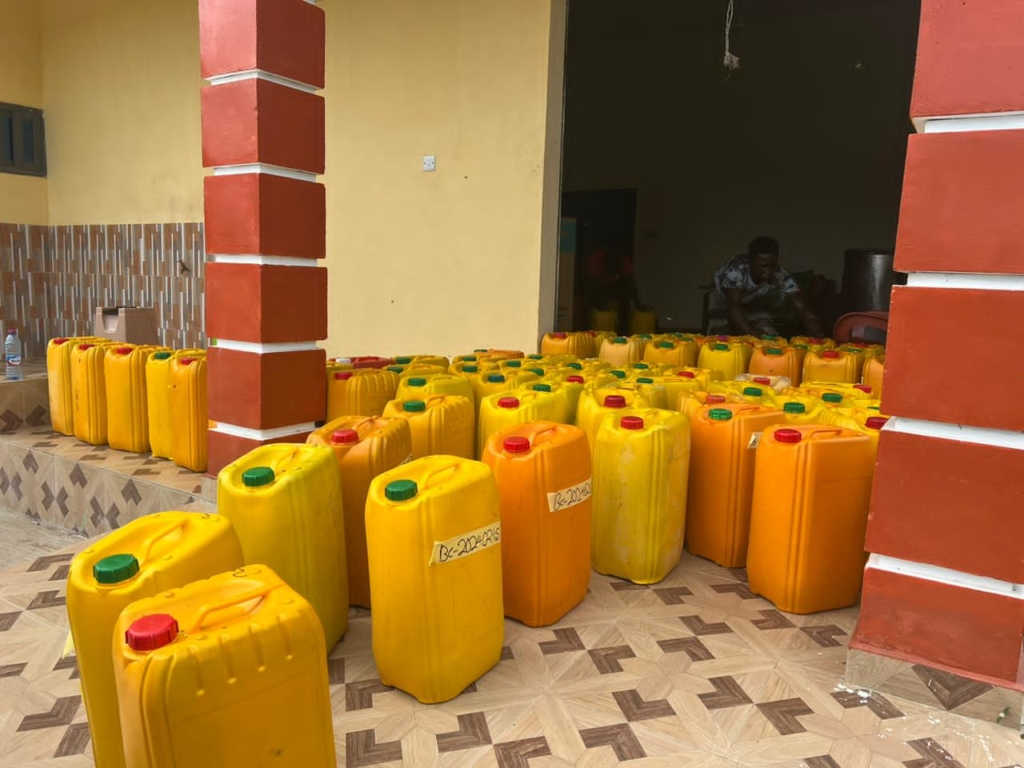
About 3.6 kilograms of honey were ferried with assistance from his foundation, Bees for Development Ghana (BfDG) and will be distributed to cities including Accra, Cape Coast, Kumasi, and Takoradi.
This export marks a departure from the community’s usual trade of timber and charcoal. For many residents, this change brings not only environmental relief in the face of climate change but also economic benefits.

The residents explained that now more young people would venture into beekeeping rather than charcoal preparation, which would help reduce pollution in the community.
According to the manager of BfDG, Gideon Zege, the honey is free from pesticides and contaminants because the bees lived in forest.
He described the journey from forest to dining table as a wholly natural process.
“We are proud of our Nature-based Beekeepers – they are determined to make their lives better with bees and now we have the chance to bring this honey out of Donkorkrom and make it available to customers in other parts of Ghana. Who knows? In the long term, we might even achieve export!
- Read also: JoyNews Impact Makers awardee uses cash prize to buy bicycles for 10 school children at Donkorkrom
Also, a beekeeper Shafik Asminu said he was particularly excited about the news.
For many years, they have watched the forest disappear due to the rampant cutting of the forest reserves but now, the forest will be preserved.
“For too long, we have watched our forests disappearing and our environment suffer. Now, we’re not only protecting our natural forest resources but also creating a new source of income for our communities through nature-based beekeeping,” Shafik added.
Additionally, a truck driver said that he had been in the profession for many years, and although he did not like the fact that the forest was constantly degraded for timber, he had no other option.
However, now that forest reserves are being used for bee farming, he is excited because it is a healthier choice and a means to conserve the environment.
“I must say loading charcoal onto the truck is not pleasant at all as we get very dirty mixed with sweat in the process. I know people cut trees to make charcoal, reducing the forest cover – not a good practice at all. But I’m happy now. We have people who have the knowledge and skills to produce honey from the trees here,” he said.
Latest Stories
-
President Mahama ends Resetting Ghana tour of Ahafo Region
10 minutes -
African negotiators seek delivery of climate commitments at COP31
11 minutes -
BoG develops AI rules for financial sector
13 minutes -
‘Big Push’: Government assures contractors of prompt payments
18 minutes -
Court fines miner for breaking into gold buying shop
28 minutes -
Tarkwa court jails labourer for three years over GH¢123,000 theft
1 hour -
GAEC must retain nuclear scientists for Ghana’s nuclear ambitions – Minister
2 hours -
Man reportedly mistaken for game and shot by hunter dead in forest
2 hours -
19-year-old mason jailed 15 years for defiling seven-year-old pupil
2 hours -
Ghana’s banking sector assets rise 20.47% to GH¢500.2bn – BoG Governor
2 hours -
22 injured as Sprinter bus overturns at Sege after tyre burst
2 hours -
UN housing expert urges Ghana to strengthen Rent Control Department amid housing affordability concerns
2 hours -
Delta-BCI partnership reaches 166,000 people with breast cancer education
2 hours -
Power restoration fault suspected in Kumasi Central Market fire
8 hours -
The 7-foot giant of Ngleshie Amanfro: Seven-foot Ghanaian Ephraim Saawa dreams of joining the national basketball team
8 hours