

Audio By Carbonatix
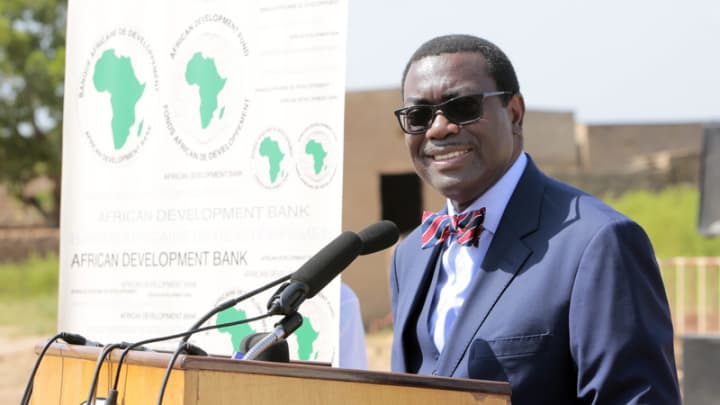
The Managing Director of the African Development Bank, Dr. Akinwumi Adesina, is calling for an end to loans given in exchange for the continent’s rich supplies of oil or critical minerals used in smartphones and electric car batteries, deals that have helped China gain control over mineral mining in places like Congo and have left some African countries in financial crisis.
“They are just bad, first and foremost, because you can’t price the assets properly,” Dr. Adesina said in an interview with The Associated Press in Lagos, Nigeria.
“If you have minerals or oil under the ground, how do you come up with a price for a long-term contract? It’s a challenge.”
Linking future revenue from natural resource exports to loan pay downs is often touted as a way for recipients to get financing for infrastructure projects and for lenders to reduce the risk of not getting their money back.
The shift to renewable energy and electric vehicles has caused a spike in the demand for critical minerals, driving these kind of loans. That includes a China-Congo deal that strengthens Beijing’s position in the global supply chain for EVs and other products as it taps into the world’s largest reserves of cobalt, a mineral used to make lithium-ion batteries(link is external), in the impoverished central African country.
Dr. Adesina, whose Abidjan, Ivory Coast-based institution helps finance development in African countries, said these arrangements come with a litany of problems.
He highlighted the uneven nature of the negotiations, with lenders typically holding the upper hand and dictating terms to cash-strapped African nations.
He said this power imbalance, coupled with a lack of transparency and the potential for corruption, creates fertile ground for exploitation).
“These are the reasons I say Africa should put an end to natural resource-backed loans,” Dr. Adesina said.
He pointed to a bank initiative that helps “countries renegotiate those loans that are asymmetric, not transparent and wrongly priced.”
He continued that loans secured with natural resources pose a challenge for development banks like his and the International Monetary Fund, which promote sustainable debt management.
He added that countries may struggle to get or repay loans from these institutions because they have to use the income from their natural resources — typically crucial to their economies — to pay off resource-tied debts.
Dr. Adesina specifically mentioned Chad’s crippling financial crisis after an oil-backed loan from commodity trader Glencore left the central African nation using most of its oil proceeds to pay off its debt.
After Chad, Angola and the Republic of Congo approached the IMF for support, the multilateral lender insisted on the renegotiation of their natural resource-backed loans.
At least 11 African countries have taken dozens of loans worth billions of dollars secured with their natural resources since the 2000s, and China is by far the top source of funding through policy banks and state-linked companies.
Latest Stories
-
Church of Pentecost supports over 2,000 BECE candidates in Obuasi with career guidance seminar
47 minutes -
Brandon Asante and Coventry all but promoted to Premier League despite Sheffield Wednesday draw
1 hour -
GPL 2025/26: Late Kwartemaa strike downs Hearts in Tema
1 hour -
Ghana Faces Sierra Leone Moment as Prosecutorial Powers come under strain
1 hour -
Don’t consume fish or seafood from Tema Shipyard until further notice – FDA warns
1 hour -
Why volunteering might be Africa’s most underrated career accelerator
2 hours -
ActionAid Ghana raises concern over gender gaps in Feed Ghana Programme
2 hours -
Windstorm wreaks havoc in Gushegu, displacing nearly 2,000 residents and damaging schools
2 hours -
Friends of Bridget Bonnie Marks her 35th birthday with donation to Kasseh Model Health Centre
2 hours -
From Ekumfi Kokodo to the Pulpit Stage: Essi Donkor’s gospel journey takes shape
3 hours -
Landfilling waste management creates no value, it’s an economic waste
3 hours -
Photos: Speaker Bagbin Commissions MPs constituency office under parliamentary decentralisation programme
3 hours -
Black Stars technical advisor Winfried Schäfer sacked as GFA shakes up backroom staff
3 hours -
Wenchi water project almost complete, critical to gov’t agenda – GWL MD
4 hours -
Anti-LGBTQ+ bill not part of government’s legislative agenda – Inusah Fuseini
4 hours