

Audio By Carbonatix
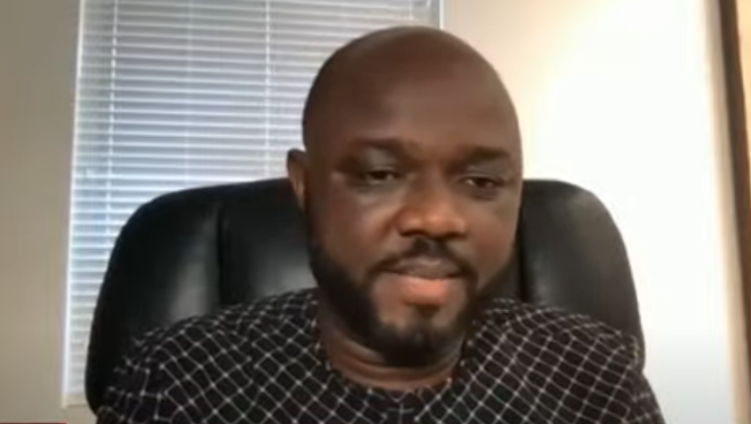
The Executive Director of the African Centre for Energy Policy (ACEP), Ben Boakye, says the Agyapa Royalty Transaction proposed by the Akufo-Addo led government is not a good deal to be reconsidered.
Speaking on Newsfile, Tuesday, he noted that the deal which seeks to sell future receipts on the stock market hoping to raise money has the likelihood of posing danger and uncertainty to the country's mineral resources.
According to Mr Boakye, an investigation by the civil society which analysed the pros and cons of the agreement revealed that the deal will not benefit the Ghanaian populace.
“We have to interrogate the pros and cons of such a decision and that is essentially what civil society has been doing. And we just published a report looking at the legal issues, how they benefit Ghana, and also on the face of the agreement that we do have, the numbers that have been thrown out in the agreement, how it benefits Ghana and we are still convinced that this is not a good deal that Ghana should be engaged in.”
His comment comes on the heels after the Finance Minister nominee Ken Ofori-Atta, during his vetting on Thursday gave the assurance that Agyapa deal will be re-submitted to Parliament.
According to the nominee the deal will help sustain the economy and benefit the interest of the citizenry.
“Imagine we have this Royalty Company, which in 20 to 30 years becomes a $30 billion company, which we will have 50 per cent stake…imagine putting this balance sheet to the Bank of Ghana, you literally have a reserve currency that changes your economy,” Mr Ofori-Atta observed.
Mr Ofori-Atta further stated that, “As we look at the new normal in which there seems to be quite a bit of debt by all countries, what do we do to our natural resources to leverage it into equity, philosophically, I hope we are all going to come to terms with the reality of diversifying and how we capitalise and fund our nation as we intend to do.”
But reacting to this, Ben Boakye intimated that the decision to use the country's minerals to settle debt was not the right way to got but rather create a policy that will optimise the mineral sector to benefit the citizenry.
"We have bigger money out there we are not chasing. For a country, your role in mineral governance is your ability to initiate an engineering policy for the sustainability of the industry and also to ensure that you optimise your operation to the benefit of the country."
According to him, "the solution is not to give up on doing the hard work of ensuring that companies pay the right taxes. You can account for the output of the mineral to ensure that the royalty that you’re collecting is the actual royalty that you’re due as a country, that’s the hard part."
Latest Stories
-
Techiman unites against child marriage: Joy Impact Makers Awardee leads charge on International Day of the Girl Child
10 minutes -
Ghana Psychological Association calls for greater involvement of people with lived experience in mental health care
1 hour -
Ablakwa says Ghana could evacuate more citizens from South Africa if the situation worsens
2 hours -
Violence against girls must be tackled through individual responsibility – Gender advocate
2 hours -
Ghana’s BRICS bid must be guided by national interest – International Affairs Analyst
2 hours -
Journalists look back on a decade of breast cancer reporting in Ghana
3 hours -
President Mahama ends Resetting Ghana tour of Ahafo Region
5 hours -
African negotiators seek delivery of climate commitments at COP31
5 hours -
BoG develops AI rules for financial sector
5 hours -
‘Big Push’: Government assures contractors of prompt payments
5 hours -
Court fines miner for breaking into gold buying shop
5 hours -
Tarkwa court jails labourer for three years over GH¢123,000 theft
6 hours -
GAEC must retain nuclear scientists for Ghana’s nuclear ambitions – Minister
6 hours -
Man reportedly mistaken for game and shot by hunter dead in forest
6 hours -
19-year-old mason jailed 15 years for defiling seven-year-old pupil
6 hours