

Audio By Carbonatix
Ghana has been enjoying a global moment where December has become our busiest month for culture, travel and commerce, a season when diasporans return, festivals book out and music acts tour like clockwork.
That cultural lift is real and valuable, but it is also fragile.
A spat over a name will not fix deeper operational failures. If anything, the recent debates about the phrase 'Detty December' expose how badly we are prioritising optics over outcomes.
What happened, in plain terms
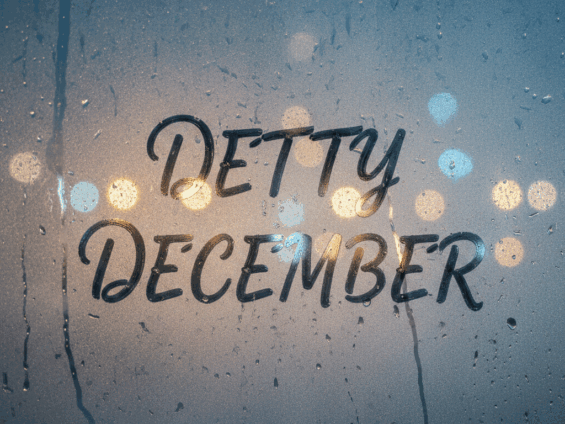
Last year, Kofi Okyere Darko, the Director of Diaspora Affairs, told the media he is not a great fan of the term 'Detty December', and his comments sparked headlines, defensive PR, and a flurry of explanations from the tourism bureaucracy.
The beat went viral not because of the semantics, but because public officials seemed more interested in renaming a cultural moment than solving the operational problems that make visiting Ghana a dicey experience for some people.
Detty December did not start in a government office.
The phrase was popularised by artists and promoters, associated with the Detty Rave concept from Mr Eazi’s team and later amplified by event producers, influencers and returning diaspora audiences.
It is organic culture, not an official seal.
Trying to rebrand it into an awkward acronym or erase it by fiat misunderstands how culture moves.
That said, the fact that a term is organic does not absolve authorities from responsibility to manage the season professionally.
The real problems that need fixing now
When visitors and locals complain about Detty December, their complaints are predictable and solvable. They are not about a label.
They include overcrowding, opportunistic price gouging, poor crowd control, instances of harassment at entry points, predatory transport and inconsistent safety protocols.
These issues threaten the reputation that the tourism sector depends on. The rhetoric about names distracts from real exposure to reputational and financial loss.
If Detty December were properly managed, we would not be arguing about names.
A timely wake-up call from the region
The wider tourism landscape makes the stakes painfully clear. Morocco recorded nearly 20 million tourist arrivals in 2025 and generated tourism revenues in the tens of billions of dirhams, underscoring how investment and planning translate into massive economic returns.
By contrast, Ghana’s international arrivals remain in the low millions, and its recorded tourism revenue is a fraction of those figures, even as the country punches above its weight culturally.
That gap is not a condemnation of our culture. It is a call to action.
Vibes and viral moments are valuable; they point attention to Ghana.
However, they do not substitute for continuous, strategic investment in infrastructure, standards, and year-round programming that converts interest into sustained visitation and stronger GDP impact.
If Morocco, Egypt and other leading markets succeeded in 2025, it was because they matched promotion with capacity, transport connectivity, hotel supply and consistent visitor protections.
We must ask what they got right and borrow the parts that work for our context rather than dabble with semantics.
Why the GTA response looks tone-deaf
After KOD’s comments, the deputy CEO of the Ghana Tourism Authority and other officials rushed to clarify and reframe Detty December as December in GH and even offered a forced acronym for the word.
The messaging reads defensive and lightweight.
Branding exercises have their place, but when officials are busy reshuffling labels while evidence of operational lapses continues to pile up, the public will read that as misallocated priorities.
Public servants must show they can control crowds, protect visitors, enforce pricing standards and hold vendors and security accountable before lecturing culture on semantics.
What good stewardship looks like
If Ghana wants sustainable growth from its December boom, the public and private sectors must focus on hard infrastructure and professional processes.
Some practical, evidence-based actions that would make the season safer and lift the tourism brand in a meaningful way may include:
- Enforce capacity limits and adopt free, capacity-controlled access for public events.
Every venue has a safe maximum capacity. Controlled, free ticketing lets organisers plan medical, security and hydration resources and prevents dangerous overcrowding. - Strengthen entry point integrity and visitor protection.
Reports of harassment, extortion and unsafe treatment at entry points undermine word of mouth. Invest in training for immigration, transport officials and border agents. Set up clear complaint channels and a fast response mechanism. - Oblige promoters to submit risk assessments and playbooks before approval.
No large-scale event should proceed without a vetted risk assessment, crowd control plan and emergency evacuation procedures. The GTA and municipal authorities must refuse permits until standards are met. - Standardise and professionalise pricing and curb gouging.
Create visible price boards for common services at airports, hotels and popular hubs. Enforce penalties for exploitative pricing and offer a hotline for travellers to report abuses. - Invest in visible medical and cooling infrastructure.
Heat, dehydration and crowd crush are real threats. Hydration stations, cooling tents and clearly signposted medical posts must be mandatory for high-capacity events. These are not optional extras. - Professionalise security with humane de-escalation training.
Security teams must be trained to de-escalate and identify medical emergencies. Heavy-handed or humiliating interventions create viral social media blowups that destroy trust. - Measure and publish tourism experience metrics.
If the GTA wants to own a brand, it must also own the data. Publish arrival figures, complaint rates, incident statistics and satisfaction scores. Transparent measurement builds credibility and points to where resources are needed.
A note for policymakers and promoters
Culture evolves from the ground up, and the year-end party season is an asset worth protecting.
The question is not whether the phrase 'Detty December' is morally pristine. The question is whether Ghana can convert cultural momentum into a responsibly managed industry.
Rebranding alone will not fix overcrowded venues, corrupt practices or safety lapses. Naming is easy, but management is hard.
If you are an official, a promoter, or a musician, start with accountability, infrastructure, and clear rules. If you are a traveller, insist on documented event safety and call out exploitation.
If we do these things, December will remain a financial boon and a cultural celebration, not an episodic PR crisis.
We can have the vibe and the value, but only if we choose competence over spin.That is the call to action I offer as a creative industry advocate and professional.
Ghana’s December story can be the example the continent points to, but only if those in charge act like managers, not just marketers.
About the author
Amelley Djosu is a marketing communications strategist, music executive, creative entrepreneur and journalist working at the intersection of culture, creativity and commerce. Her commentary is known for cutting through hype to offer clear, practical insights that shape thinking within the creative industry.
Latest Stories
-
Gomoa Easter Carnival: Edem Agbana and Joy Prime fans shower festival with endorsements as masquerades and ‘street anthems’ ignite Day 3
2 hours -
Gov’t to overhaul free zones into manufacturing hubs for local production – Trade Minister
3 hours -
Ghana losing $2.5bn yearly from raw exports – Trade Minister reveals
3 hours -
President Mahama unveils plans for Kwahu Airport, Convention Centre
3 hours -
World’s oldest leader, Paul Biya to get a deputy for first time in 43-year rule
4 hours -
Search for missing US airman continues as Trump threatens ‘hell’ if Iran does not reach deal
4 hours -
US says it has arrested relatives of late Iranian general Qasem Soleimani
4 hours -
La Liga: Real Madrid’s title hopes hang in the balance as Mallorca snatch stoppage-time winner
4 hours -
FA Cup: Haaland hat-trick powers Man City past Liverpool into semi-finals
4 hours -
FA Cup: Chelsea thrash Port Vale to reach Wembley semi-final
4 hours -
Gov’t to boost tourism in coastal communities through infrastructure, sanitation – Vice President
4 hours -
Universities management urged to involve alumni in curricula development, career guidance to reduce unemployment after school
5 hours -
Vice President Opoku-Agyemang enstooled as Development Queen of Kedzi
5 hours -
Globen School @30: From humble beginnings to a hub of innovation and excellence
5 hours -
Children’s health and happiness take centre stage at 2026 Giggle Fun Fest in Peki Avetile
5 hours