

Audio By Carbonatix
Lead is increasingly consumed globally due to the skyrocketing demand for energy-efficient vehicles.
The high demand of the chemical substance for its utilization in industrial enclaves, like the Kumasi Suame Magazine, poses health and environmental threats.
To alleviate the increasing cases of lead poisoning, especially in children, the Ashanti Regional Directorate of the Ghana Health Service has instituted a steering committee to ensure stringent implementation of policies.
Reports indicate that about 0.6% of the global burden of diseases can be attributed to lead poisoning.
Lead poisoning poses grave child health concern throughout the world, as children are most likely to be exposed to the chemical substance.
In low- and middle-income countries, including Ghana, children living in lead-polluted sites stand the risk of lead poisoning through automobile fumes and dust from decaying lead-based paint.
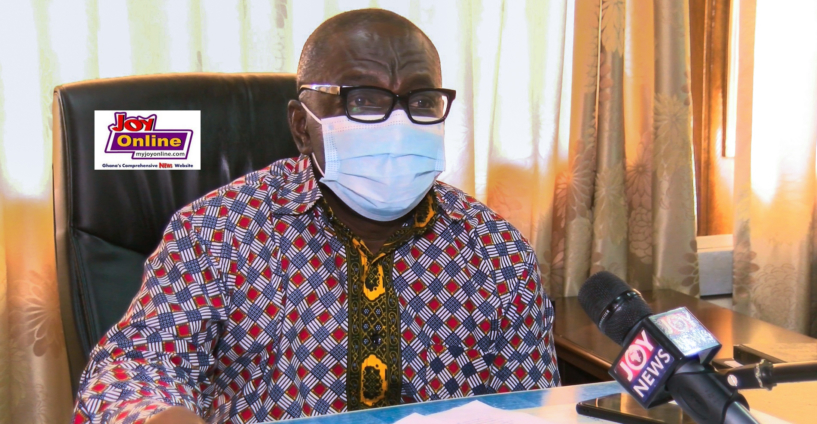
Ashanti Regional Director of the Ghana Health Service, Dr. Emmanuel Tinkorang says the increasing menace puts children's lives at risk.
"Lead is non-biodegradable; for that reason children working around refuse dump are always contaminated with lead. These children either inhale it or consume it.
"When it enters the body, it can destroy the brain, kidney, liver and bones, and also cause Anaemia. So many children are dying from lead poisoning," he said.
The Regional Health Director, in collaboration with UNICEF, has instituted an advocacy committee to create awareness against the alarming deaths resulting from lead poisoning.
The committee is to ensure a comprehensive understanding of detrimental effects of lead poisoning.
Dr. Tinkorang added "under this strategy, the committee is to first create awareness about lead poisoning and educate the community that people are dying as a result".
The project will assess the medical status of children in selected lead-prone areas in the region.
According to the Regional Health Director, a medical facility will be allocated to test the lead levels in the blood of children and other patients.
"Clinical assessments will also be conducted under the project to know if the level of lead in children is dangerous, especially in areas like Suame Magazine, Dagomba line, where there is fitting works ongoing there," Dr. Tinkorang said.
Dr. Tinkorang assured that the 2-year project will be sustained by the government to eradicate lead poisoning among Ghanaian children.
"Ghana Health Service intends to sustain the project after its span. We are not only going to do this for 2-years," he said.
Latest Stories
-
A source of excellence across generations – Vice President Opoku-Agyemang lauds Mfantsipim
18 minutes -
(Photos) Mfantsipim School launches historic 150th anniversary
41 minutes -
Knights and Ladies of Marshall group backs Catholic Bishops’ stance on anti-LGBTQ+
2 hours -
Bright Simons writes: All the Filla in the Ibrahim Mahama/E&P – Gold Fields Saga
2 hours -
Monetise Idiocy In Ghana
2 hours -
The Ghanaian prophet and the mysterious death of his scottish wife Charmain Speirs
3 hours -
Nearly 400 sentenced in Nigeria for links to militant Islamists
3 hours -
Ghana’s recovery supported by gold strength despite global oil price pressures – Standard Bank Research
3 hours -
Methodist Church hails Mfantsipim@150; calls for “fresh consecration” to excellence
4 hours -
‘Excellence is our inheritance’ – Nana Sam Brew-Butler hails Mfantsipim’s 150-year reign in leadership
4 hours -
Kwaku Azar writes: A-G vs OSP
4 hours -
Mfantsipim–Adisadel rivalry built excellence, not division – Sam Jonah
4 hours -
Vice President launches Mfantsipim’s 150 years of shaping Ghana’s greatest mind
5 hours -
I assure Otumfuo, Mahama will join him to commission KNUST Teaching Hospital by end of this year – Haruna Iddrisu
5 hours -
Barcelona dominate derby to extend La Liga lead
5 hours