

Audio By Carbonatix
Five-day tour equipped financial professionals with insights from the world's most advanced Islamic finance system.
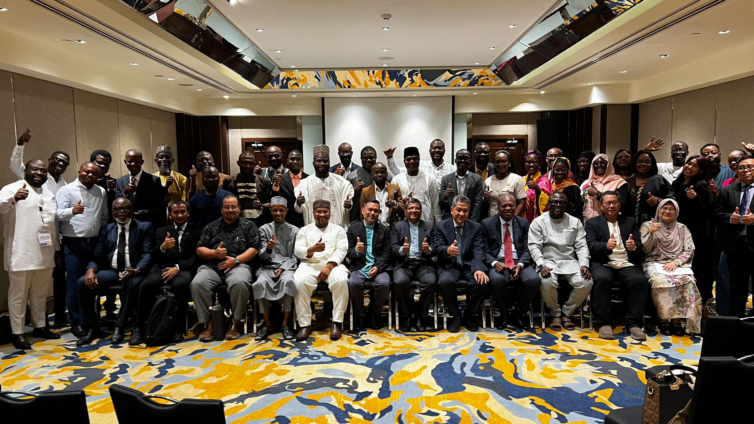
A historic five-day International Executive Training & Study Tour on Non-Interest Banking, Capital Markets, and Takaful (Insurance) has drawn to a close in Kuala Lumpur, with Ghana's financial leaders returning home armed with the knowledge and resolve to reshape the country's financial landscape.
The programme, organised by the Islamic Finance Research Institute of Ghana (IFRIG) in collaboration with the Centre for Islamic Economics (CIE) at the International Islamic University Malaysia (IIUM), brought together financial professionals from Ghana, Nigeria, and beyond from 22nd to 26th June 2026.
Participants gained first-hand exposure to Malaysia's globally recognised dual-banking system, Sukuk markets, and regulatory framework—widely regarded as the most advanced of its kind in the world.
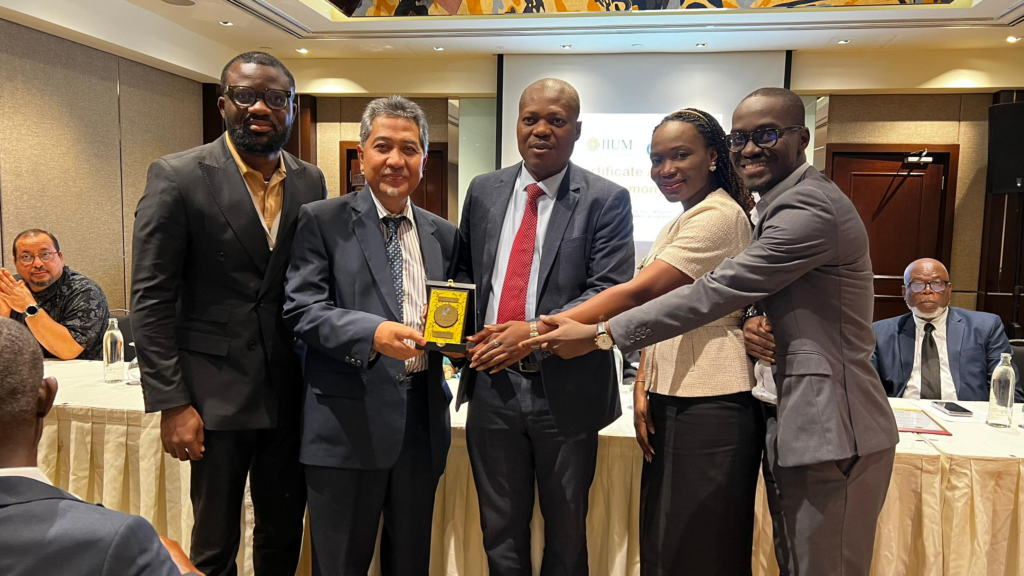
'Be apostles of non-interest banking' – Dr Ali Shaibu
At the closing ceremony, Dr. Ali Shaibu, Executive Director of IFRIG and Deputy CEO of Trustmark Capital Ltd, issued a powerful charge to participants.
"I urge every one of you to be apostles of Non-Interest Banking. Let me be emphatic—this is not a religious agenda. This is a financial model that can transform our country's financial system. It is ethical, transparent, and for every Ghanaian, regardless of faith," Dr Shaibu stated.
He emphasised that capacity building remains essential to implementation, adding that the model can be used for the development of Ghana's financial system while helping lift the population above the poverty line.
CEO and Managing Director of Trustmark Capital Ghana and a lead trainer at the workshop, Alhaji Attahiru Maccido, confirmed that the programme's objectives had been fully achieved through the exchange of knowledge shared.
He was quick to clear a common misconception:
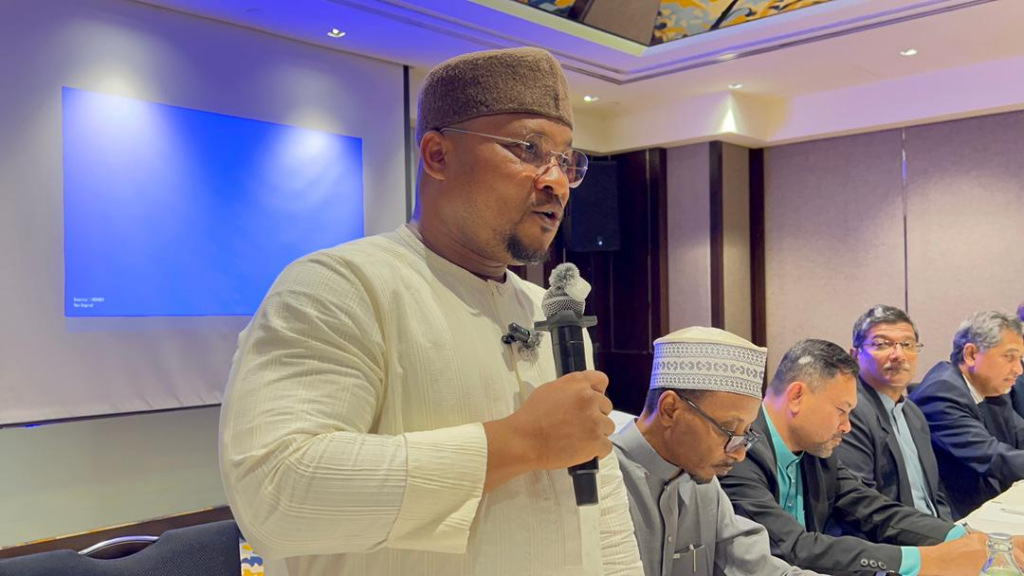
"Non-Interest Banking is not only for Muslims—it is meant for the entire humanity. It is about fairness, risk-sharing, and transparency—values that any entrepreneur, regardless of faith, can benefit from."
Diplomatic and regulatory endorsements
Ghana's Deputy High Commissioner to Malaysia, Professor Naail Mohammed Kamil, expressed optimism that the tour had exposed the high-ranking delegation to a deeper understanding of Non-Interest Banking.
"I have always believed that this is the best alternative to solving Ghana's development problems. It discourages speculation, encourages productive economic activity, and aligns finance with real assets," Professor Naail stated.
Dr James Klutse Avedzi, Director General of the Securities and Exchange Commission (SEC), noted that the knowledge acquired during the visit will enrich regulatory roles.
"Malaysia has the most advanced Islamic finance framework in the world. Learning from them is the best decision we could have made," he said.
Professor John Gatsi, who led the Bank of Ghana delegation, allayed fears that Non-Interest Banking could destabilise the country's traditional banking system.
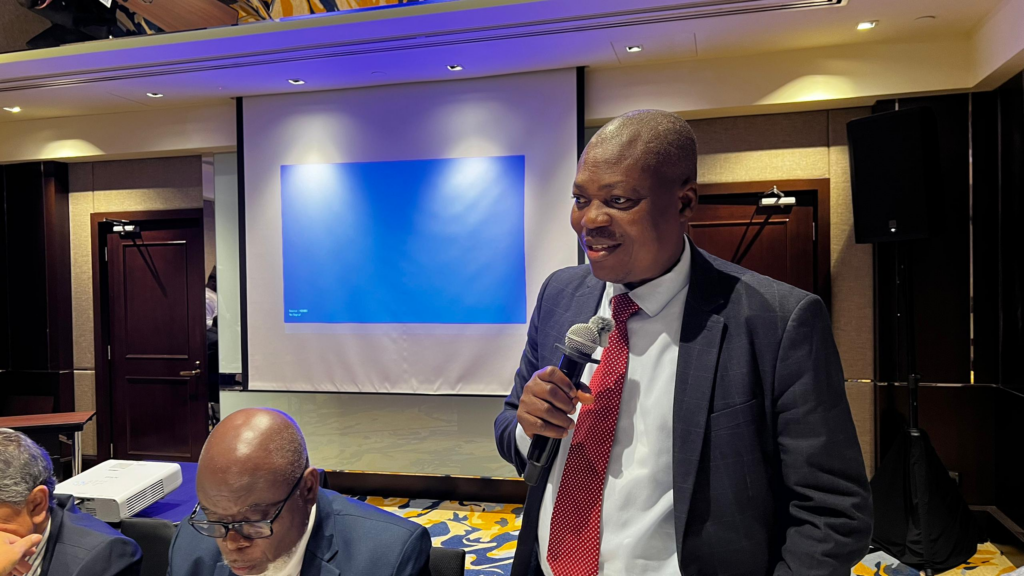
"I want to allay the fear that Non-Interest Banking will collapse the current traditional banking system. That is not the case. We are here to learn how to build a complementary system, a robust dual-banking framework that offers choice, encourages competition, and strengthens our overall financial stability," Professor Gatsi assured.
He thanked President John Dramani Mahama for his support and commitment to this important step towards achieving financial stability.
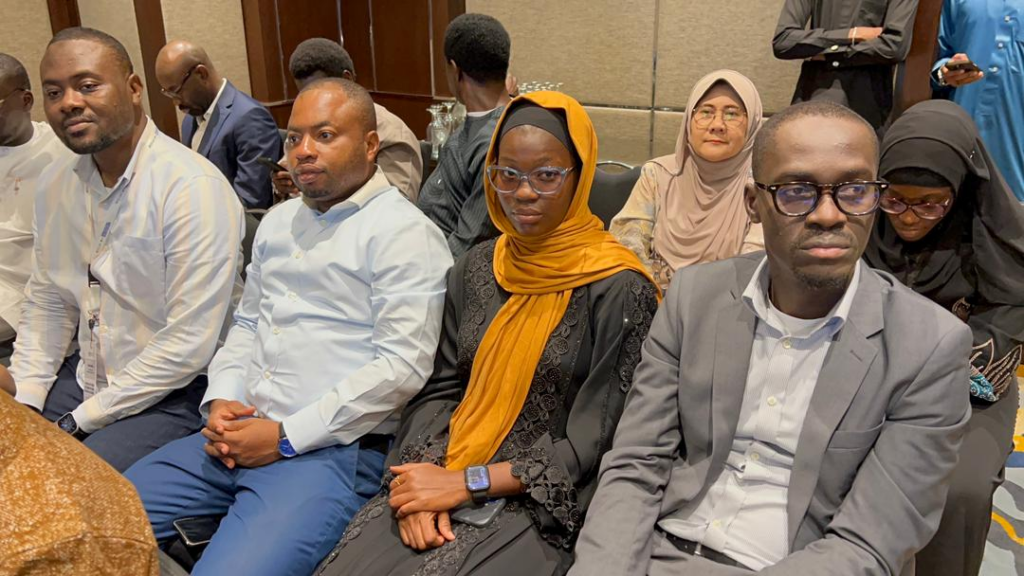
The programme, the first of its kind, was held under the theme: "Strengthening Capacity in Ethical Finance, Financial Inclusion and Sustainable Economic Development."
As Ghana prepares to fully integrate Non-Interest Banking into its financial landscape, participants return home equipped with practical insights and best practices drawn from Malaysia's 40-year journey in Islamic finance, ready to build a new financial era for West Africa.
Latest Stories
-
Let The Constitution direct Chieftaincy to deliver “All Development Is Local”
40 minutes -
John Jinapor outlines renewable energy, nuclear power priorities for 2027
1 hour -
Ghana explores centre of excellence for hearing, communication and cochlear implant care
2 hours -
Schizophrenia-related disorders lead mental health cases recorded in Ghana
2 hours -
Dutch authorities enlist Ghana in hunt for fugitive drug lord Bolle Jos
3 hours -
Ghana housing finance conference adopts communiqué to improve affordable housing access
7 hours -
Special Initiatives Minister urges Wa Technical Institute to enrol more girls as EU-backed solar training lab opens
8 hours -
In the matter of my first year at the Bar
8 hours -
ActionAid Ghana calls for an end to child marriage, greater investment in girls’ rights
8 hours -
Newsfile to tackle World Cup visa scandal, beach demolitions, education strikes, BRICS bid
8 hours -
UK-Ghana Trade & Investment Summit: Trade Resource Centre to help businesses maximise UK-Ghana trade opportunities
9 hours -
Embassy of Denmark celebrates World Maritime Day
9 hours -
Linking LEAP to productive inclusion could cut extreme poverty by 2030 – UNICEF
10 hours -
Trade Ministry backs use of creative arts to rehabilitate prison inmates
10 hours -
Negotiations with government to continue despite strike suspension – GNAT
10 hours