

Audio By Carbonatix
The Bank of Ghana (BoG) says government has shown clear commitment toward recapitalising the Central Bank following the severe balance sheet pressures it suffered during the Domestic Debt Exchange Programme (DDEP).
The DDEP significantly weakened the BoG’s financial position, triggering debate over how the Central Bank should be recapitalised. Finance Minister Dr. Cassiel Ato Forson had earlier ruled out the use of taxpayer funds, pointing instead to a previously signed Memorandum of Understanding that outlined a ¢53 billion recapitalisation package under the former administration led by Dr. Ernest Addison.
At the time, the Finance Minister maintained that any recapitalisation should be achieved through internal reforms and restructuring measures, rather than direct budgetary support.
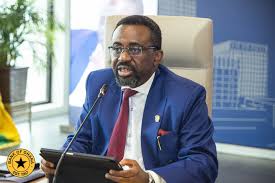
However, speaking at the 128th Monetary Policy Committee (MPC) press briefing on Wednesday, January 28, 2026, Governor of the Bank of Ghana, Dr. Johnson Asiama, indicated that engagements with government on restoring the Bank’s financial position have been positive. He described recapitalisation as a critical step toward rebuilding policy credibility and safeguarding the Bank’s operational independence.
"I believe in the commitment of government to recapitalise the Central Bank following the hit it took to protect the economy amid the domestic debt restructuring programme. So far, discussions with government have been fruitful, and there is support to help repair the Bank’s balance sheet”, Dr. Asiama said.
The Governor noted that restoring the BoG’s capital position is essential to effectively deliver on its core mandate of price stability, financial sector supervision and broader macroeconomic management.
“It is only fair that the wounds suffered as a result are addressed,” the Governor noted, adding that the recapitalisation process will safeguard the Central Bank’s ability to operate independently and maintain confidence in monetary policy.
Beyond the Central Bank, Dr. Asiama also pointed to encouraging developments within Ghana’s commercial banking sector, indicating growing resilience across the financial system.
He disclosed that as at the end of December 2025, 21 of the 23 licensed banks had met the required capital adequacy thresholds. The remaining two banks, he said, have been granted up to the end of March 2026 to comply with the regulatory requirements.
Latest Stories
-
Two teens jailed 55 years for robbery
2 minutes -
“We don’t sell fish!” – Tema Shipyard CEO hits back over dead fish discovery
2 hours -
Sam George defends anti-LGBTQ+ Bill as ‘national priority’ amid debate over gov’t focus
2 hours -
Sam George unveils massive 1,150-cell site rollout to end network woes
3 hours -
This Saturday on Prime Insight: Fuel levy suspension, LGBTQ+ legislation, and Damang Mine controversy
3 hours -
Struggling Real suffer title blow with Girona draw
4 hours -
Mahama nominates Pamela Graham as Auditor-General
4 hours -
The five big sticking points in US-Iran talks
5 hours -
Melania Trump’s speech propels Epstein crisis back to forefront
6 hours -
What everyone should know about C-sections
6 hours -
Gunmen kill at least four people at Afghanistan picnic spot
6 hours -
Health Ministry engages Ga Mantse ahead of Free Primary Healthcare launch
6 hours -
We can tackle multiple priorities – Sam George defends Anti-LGBTQ Bill push
7 hours -
Statement: Ghana Chamber of Mines’ Response to Claims in Joe Jackson’s “Ananse Stories about the Economy of Ghana”
7 hours -
GES opens 2026 teacher recruitment for licensed B.Ed graduates
7 hours