

Audio By Carbonatix
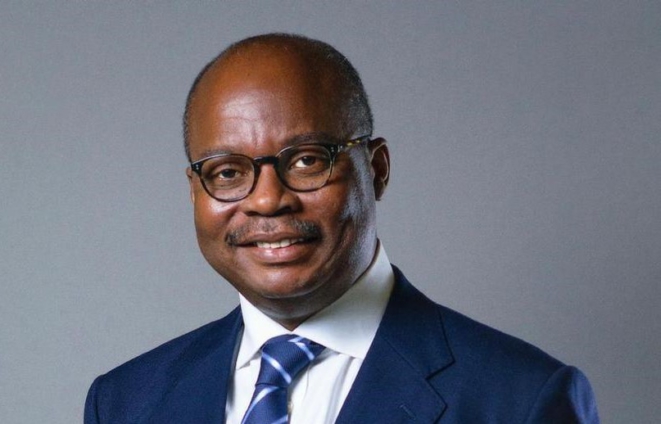
The Governor of the Bank of Ghana (BoG), Dr Ernest Addison, has pushed for a fast-tracked debt restructuring for vulnerable countries under the Group of Twenty (G20) members, including Ghana, Ethiopia, and Malawi.
This comes on the back of recent agreements reached between Zambia and Chad and its creditors, and the need to safeguard these countries from any domestic financial market instability, Dr Addisson said.
He was speaking at an African Caucus Meeting on “Making public debt useful for sustainable growth in Africa,” at the ongoing International Monetary Fund (IMF)/World Bank Group (WBG) Annual Meetings in Marrakech - Morrocco.
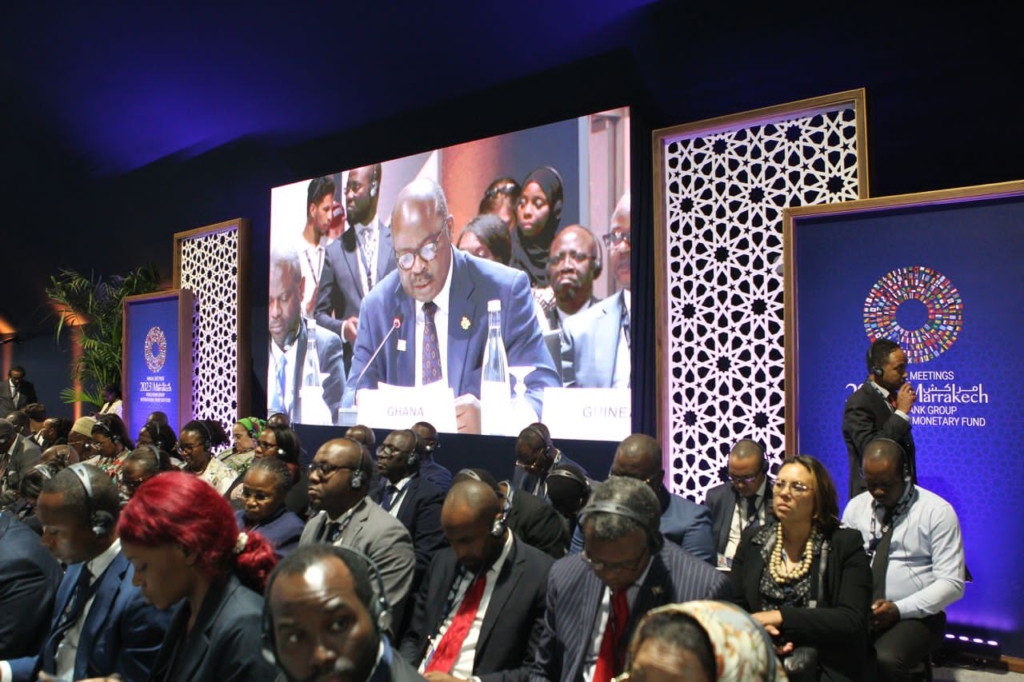
“While welcoming the latest developments on Zambia and Chad, we underscore the need to revamp the G20 Common Framework (CF) to ensure timely, orderly, equitable, inclusive, and transparent debt restructuring for distressed members in the region (including, Ghana, Ethiopia, and Malawi),” he said.
“We also call for a carefully designed debt resolution mechanism, especially, for vulnerable members with large-domestic creditors (as in the case of Ghana) to help avert domestic financial market instability,” the BoG Governor added.
The Governor said that improved debtor-creditor engagements through an enhanced Global Sovereign Debt Roundtable (GSDR) and strengthened technical support are critical to boost a swifter, proactive and systematic restructuring.
“We also reaffirm the request for debt standstill during times of negotiations to offer immediate relief to debtors and restate our request for multilateral debt cancellation for the most vulnerable members facing acute debt challenges,” Dr Addison said.
He noted that an enhanced IMF’s cooperation with Multilateral Development Banks/Regional Development Banks was necessary to facilitate the timely provision of financial assistance for G20 members facing significant debt and growth challenges.
“In this context, we restate the call for new SDR allocation through the MDBs/RDBs’ (including the African Development Bank - AfDB), given their multiplier effects in achieving climate and development goals,” he said.
“Given the fragmented global financial architecture, we urge the IMF to remain steadfast and adapt its lending toolkits to changing global conditions to serve its G20 vulnerable membership better,” Mr Addison advocated.
Speaking on this issue at a press briefing on Thursday, Kristalina Goergieva, Managing Director, IMF, said: “The Common Framework has been slow to deliver to countries that turn to it for support.”
She noted, however, that: “We see an encouraging sign that the time taken to reach an agreement among creditors is short with every step.”
She noted that it took 11 months for the creditors of Chad to provide the Fund with financial assurances needed for us to help the country, nine months for Zambia, six months for Sri Lanka, and five months for Ghana.
The IMF MD explained that debt cancellation required all creditors to agree, due to the complex composition of creditors and different configurations in every case, which made it excruciatingly difficult for debt restructuring.
She recommended a case-by-case approach in identifying the creditors, forming a Creditors’ Committee, while the IMF and World Bank provided the parameters of what they need to agree on.
“This is the way that today, debt restructuring is delivered, " Goergieva said, adding that “my plea is, pressure for speed and efficiency, but don’t throw the towel on the Common Framework, because if we lose it, then we’re back in a much less predictable environment.”
Many African economies are faced with acute debt challenges underscored by rising social and infrastructural needs, amid spillovers from the COVID-19 pandemic, the war in Ukraine, the tightening of global financing conditions, and climate-related disasters.
This has made it crucial for them to restore debt sustainability, promote inclusive and sustainable growth on the continent, requiring debt treatment, especially from external creditors.
Latest Stories
-
VAST calls for urgent policy overhaul as air pollution kills thousands in Ghana
58 minutes -
Outcome to The Drama: 10 of the best films to watch this April
1 hour -
Britain led the fight to end slavery; we shouldn’t be paying for a crime we helped eradicate – Kemi Badenoch
1 hour -
“Who should compensate whom?” – Afenyo-Markin sparks heated Parliamentary debate over slavery reparations
2 hours -
Iran strikes injure US troops at Saudi base
2 hours -
NPP deploys regional heavyweights to oversee polling station and electoral area polls
3 hours -
Akufo-Addo to lead ECOWAS election observers for Benin’s high-stakes presidential transition
3 hours -
Iran war splits older and younger conservatives – as pressure builds for Trump to find exit ramp
3 hours -
Callistus Mahama writes on slavery reparation: ‘We cannot confuse participation with responsibility’
4 hours -
‘The gravest crime against humanity’: What does the UN vote on slavery mean?
5 hours -
Catholic Bishops back Mahama after US university rescinds honorary degree over LGBTQ stance
5 hours -
Ablakwa expresses disappointment over US ‘no’ vote on the UN Slavery Resolution
6 hours -
Luxury watches and cash theft: Joy Sports Editor Fentuo details what happened at the Black Stars camp before the Austria game
6 hours -
India grants ‘penalty-free’ exit window for overstayed Ghanaian nationals
6 hours -
Panic selling sweeps GSE: Market cap sheds GH¢44billion in two days
7 hours