

Audio By Carbonatix
It has long been a societal debate on who are the originators of the manually-woven Kente fabric.
Some believe the Asantes closely learned the pattern of the Spider web to replicate it in the making of the fabric. Other indigenes of the Volta region vehemently oppose the notion, claiming they are the real inventors.
The long-standing ethnic feud reflects the loss of the right of the owner to inventions and creative works.
This, the legal fraternity, attributes to the minimal awareness of Intellectual Property rights in the country.
A lack of knowledge of intellectual property laws and rights is a major factor in Ghana's incapacity to contribute to the global spheres of science, research and innovation.
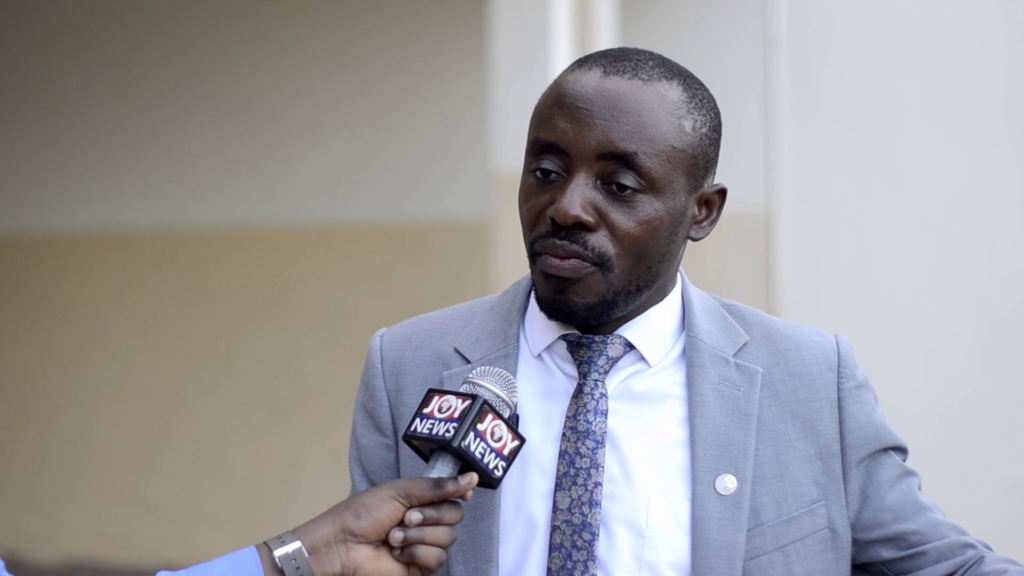
Lawyer and lecturer at the KNUST, Richard Obeng Mensah, believes exposure to the laws allows a number of communities to legally claim ownership of an invention.
“If the kente communities like Bonwire and the Ewes are aware of these laws, they can prevent people from actually coming out certain kente fabrics because of intellectual property laws in respect to geographical locations. Geographical indications can be attached to the producers of the popular ‘Zomi’ palm oil,” he said.
Some concerned scientists and law experts believe the situation stifles national development.
The government in 2016 launched the National Intellectual Property Policy and Strategy to promote innovation and awareness, but its implementation stalled while piracy of intellectual property continues.
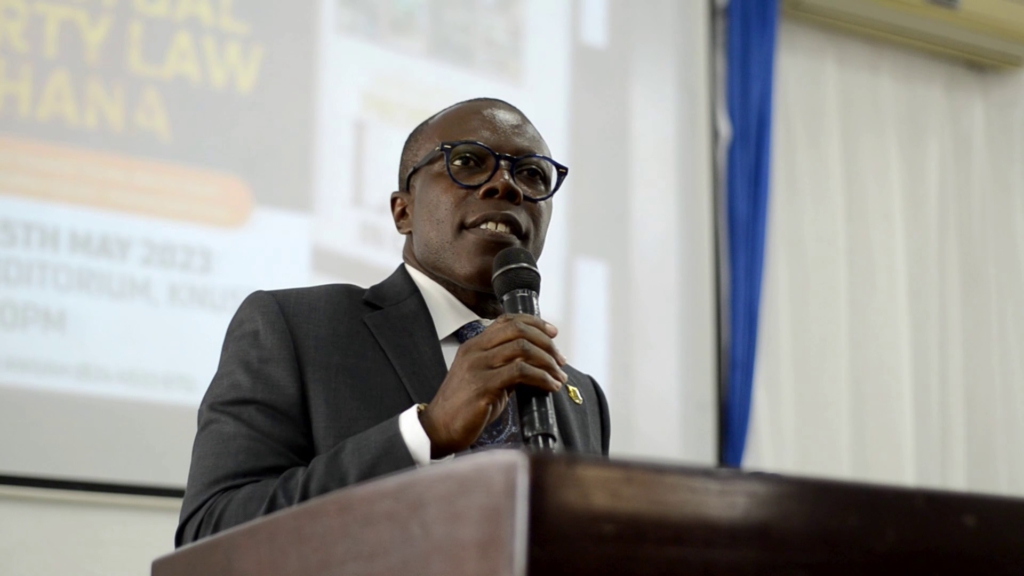
Pro-Vice Chancellor of KNUST, Professor Ellis Owusu-Dabo, observed low knowledge of intellectual property contributes to the country’s reduced local innovations.
“Africa lacks intellectual property in science, innovations and entrepreneurship. The continent doesn’t contribute up to 5% of global innovations. The input in research and science innovation is 1.7%. It’s important that we understand what these mean to us continents and as a nation,” he said.
Presently, legal educators source and allude to foreign legislation, typically English Laws, to facilitate the teaching of Intellectual Property Laws in Ghana.
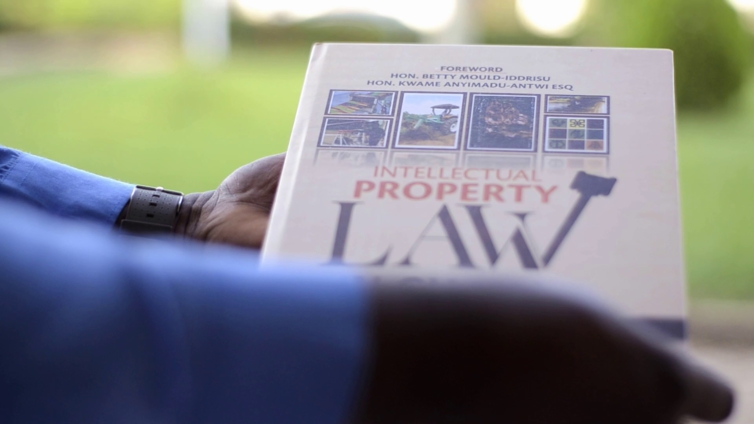
But in contextualizing the legal framework into the local setting, lecturers in the legal community of the KNUST have launched a book to bridge the deficient knowledge on intellectual property.
An array of creators including journalists, entrepreneurs, inventors, traders, and musicians can monetise the benefits of their intellectual property.
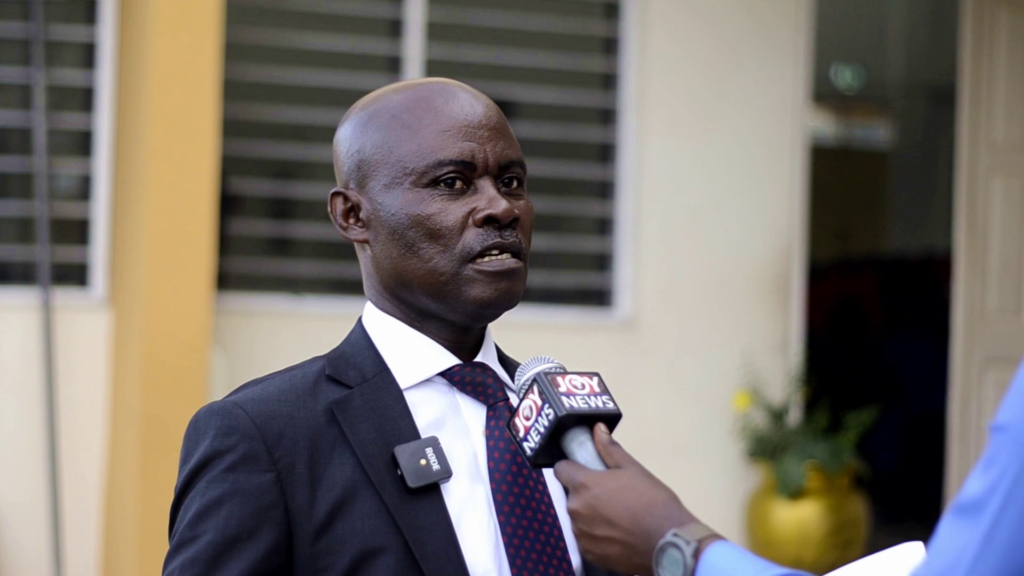
Dr Chris Adomako-Kwakye, one of the authors, said although people argue the use of original work should not be limited to a select few, creators must benefit from their works.
“It will take time to get a patent. But the benefits associated with getting the needed protection will now give you some form of monopoly over that.
"Although some people argue having a monopoly over a product stifles development, once people bring something out they should be able to benefit from it. People shouldn’t only get it and leave it out to the public for everyone to feed on,” he said.
The main intellectual property laws in Ghana are the Copyright Act, 2005 (Act 690); the Patents Act, 2003 (Act 657); the Trademarks Act, 2004 (Act 664); the Industrial Designs Act, 2003 (Act 660); and the Protection Against Unfair Competition Act, 2000 (Act 589).
Latest Stories
-
Star Oil paid GH¢2.7bn in taxes, levies in nine months of 2026
6 minutes -
Samson’s Take: The rule of law is cheaper before the bulldozer
8 minutes -
GRA blames system failure for delay in issuing receipt over passenger’s customs duty
29 minutes -
Livestream: Newsfile discusses World Cup visa scandal, beach demolitions, education strikes, BRICS bid
32 minutes -
NC-PTAs welcomes end of teachers’ strike, urges parents to prepare children for Monday
42 minutes -
Government procures over 2,000 transformers as Ghana’s electricity access hits 89.13% – Energy Minister
1 hour -
UTAG-UG threatens strike on October 19 over unpaid allowance
1 hour -
Let The Constitution direct Chieftaincy to deliver “All Development Is Local”
2 hours -
John Jinapor outlines renewable energy, nuclear power priorities for 2027
3 hours -
Ghana explores centre of excellence for hearing, communication and cochlear implant care
4 hours -
Schizophrenia-related disorders lead mental health cases recorded in Ghana
4 hours -
Dutch authorities enlist Ghana in hunt for fugitive drug lord Bolle Jos
5 hours -
Ghana housing finance conference adopts communiqué to improve affordable housing access
9 hours -
Special Initiatives Minister urges Wa Technical Institute to enrol more girls as EU-backed solar training lab opens
9 hours -
In the matter of my first year at the Bar
10 hours