

Audio By Carbonatix
A virologist at the Kumasi Center for Collaborative Research (KCCR) has warned that the country should expect more positive cases in the coming days.
Dr Michael Owusu wants the authorities to institute more measures to deal with the situation.
“It’s a bit worrying to have these huge numbers; over a thousand new cases being recorded for almost two to three days now. We had something a little above thousand during the first wave between July and August.”
Health experts say the fourth wave in the country has not peaked even as an average of thousand positive Covid-19 cases are being recorded daily.
They say the current numbers indicate an active spread of the virus among the population. This is actively driven by the new Omicron variant.
Figures from December 22, showed that the nation’s infections reached a record high of 1,320 cases in one day.
Fresh data from Christmas eve indicate that some 1,264 persons contracted the virus, with 8,554 cases currently active out of the cumulative 140,221 confirmed so far.
Dr Michael Owusu said the country's Covid-19 cases is yet to peak.
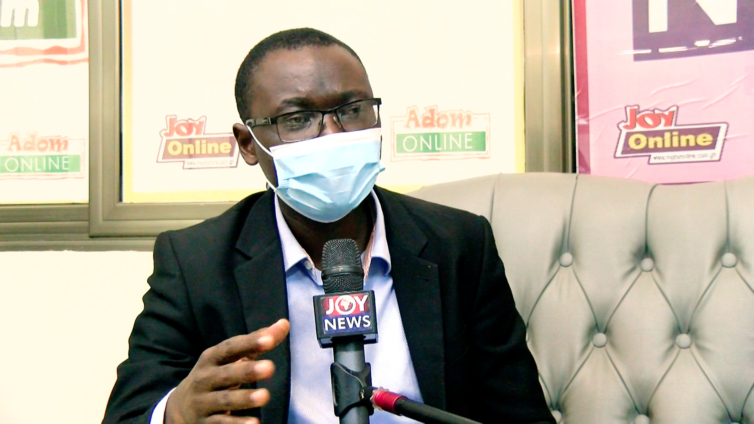
“I know that we’ve not yet gotten to our peak yet but then to have these numbers at this time should tell you that there is an active transformation ongoing, and if it continues like this and the numbers remain stable for a couple of days to come, you’d be sure that many folks would become infected,” he noted in an interview with JoyNews on Tuesday.
He added, “Certainly, it’s not good news to see that almost every day you have over a thousand cases which are being added to the database.”
Dr Owusu observed that although the attitude of Ghanaians towards the adherence to the Covid-19 protocols has not been the best, the dust particles that characterise the harmattan season seems to be an enabler for the spread of the virus.
He admonished Ghanaians to do their part in dealing with the spread of the virus.
“The virus could stick on these dust particles and could be transmitted to people, and they could inhale it and become infected. The condition and environment is also a risk factor that seems to encourage active transmission within this time.”
“I am not surprised that the numbers are high, but we could have done something about it if people were to at least respond and to behave well, but with the behaviour and the way people are going now, it is what we expect to see,” he said.
Latest Stories
-
Midfielder Casemiro to leave Man Utd this summer
14 minutes -
Infantino joke about British fans was ‘cheap’ – FSA
17 minutes -
Labourer gest 10 months imprisonment for stealing
27 minutes -
Building contractor remanded over trespass, threat of harm
28 minutes -
Any candidate who contests on NPP’s ticket in 2028 will lose abysmally – Nana Yaa Jantuah
37 minutes -
Firefighters rescue dog trapped in well at Amamorley
42 minutes -
COMAC reaffirms unity amid member self-suspension
42 minutes -
If we can mobilise against disease, why not against poverty, dependency? – Mahama asks leaders
43 minutes -
How solar light is changing life in a small community near Aframso, supporting Climate Action
44 minutes -
Economic gains must be sustainable beyond 2028 – Kyei-Mensah-Bonsu
46 minutes -
Resources should go into rail development, not new expressway – Kyei-Mensah-Bonsu
49 minutes -
CEO of Afcallo Ventures Christabel Ofori reveals how her son inspired her to start a skincare business
52 minutes -
NPP must ensure peaceful primaries amid internal tensions – Asah-Asante
54 minutes -
Emotional stress key factor in men’s sexual performance – Dr Twumasi Ankrah
56 minutes -
Embrace ICT, AI as tools for efficient justice delivery – CJ to new Circuit Court judges
1 hour