

Audio By Carbonatix
In 2024, the Government of Ghana is hoping to generate some GH¢176.4 billion in revenue and grants of which about 81% is expected to come from taxes.
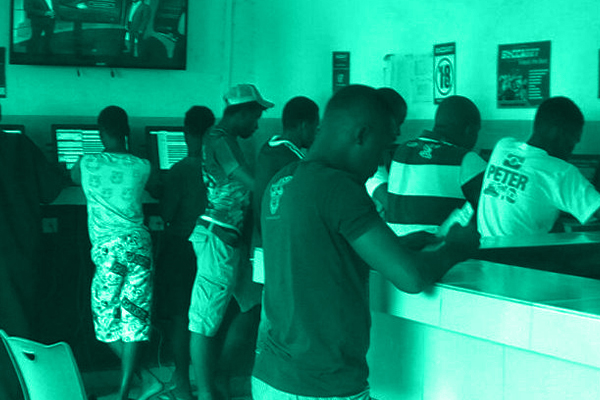
The betting and gaming industry is expected to contribute more than GH¢1.7 billion to the revenue basket in 2024 as the Ghana Revenue Authority (GRA) targets additional GH¢583 million by roping in about 1,200 Private Lotto Operators (PLOs) who have been outside the tax net since the Authority started implementing the Gross Gaming Revenue (GGR) tax as well as the withholding tax on winnings from betting and other games of chance.
In 2023, the GRA estimated to collect approximately GH¢1.7 billion from betting and gaming firms as revenue. This revenue target is projected to cross more than GH¢1.7 billion in 2024 when all the 1,200 PLOs are brought into the fold.
The Income Tax (Amendment) Act, 2023 (Act 1094) which was passed in March 2023 to, among other things, introduce a tax on Gross Gaming Revenue (GGR) to replace corporate income tax and VAT on betting and gaming, as well as introduce a withholding tax on winnings from betting and other games of chance was projected to add a significant amount to the revenue bracket in the 2023 fiscal year.
The Act also re-introduced the Minimum Chargeable Income concept. According to the Finance Minister, Ken Ofori-Atta, the full implementation of these tax measures will take place in 2024.
Ghana is presently under an IMF Extended Credit Facility (ECF) programme and is in dying need of revenue. It has assured the Fund that it is taking measures to enhance Value Added Tax (VAT) compliance, with the e-VAT invoicing system, launched in October 2022, intended to establish electronic invoicing as the sole method for issuing VAT invoices.
According to the Fund, Ghana is facing fiscal challenges primarily due to its structurally weak domestic revenue mobilization. Several reforms are expected to be implemented or planned to address this issue, such as increasing the VAT rate from 12.5% to 15%, restructuring the E-levy, removing discounts on benchmark values at customs, and revising income-based taxes.
The contribution of tax revenue to GDP under the IMF programme is expected to increase from 13.1% last year to 14% by the end of this year. The IMF expects Ghana's tax-to-GDP ratio to rise to 14.7% in the election year of 2024, 15.3% by 2025, and 16.2% by the end of 2026. The majority of tax revenue comes from the formal sector, while the informal sector's contribution has been comparatively limited.
Latest Stories
-
Gender Ministry supports Harriet Amuzu in ongoing abuse case
5 minutes -
AG joins plaintiff to scrap OSP ?: We should be mindful of the mischief in this – Bobby Banson
11 minutes -
Samson Lardy Anyenini questions willingness of Attorneys-General to prosecute political colleagues
14 minutes -
It is only fair the OSP is heard in Supreme Court case – Bobby Banson
19 minutes -
Asiedu Nketia resumes Ashanti tour, second leg kicks off on Sunday
28 minutes -
NLA denies salary cut claims, threatens legal action over reports
32 minutes -
BoG Governor honoured for stabilising cedi, improve inflation
34 minutes -
Kyebi Easter Homecoming 2026: A resounding success!
1 hour -
Trade Minister applauds GUTA as a pillar of economic growth; Prez Mahama honoured
2 hours -
President’s brother’s takeover of Damang Mines is ‘untidy’ – Alhassan Tampuli
2 hours -
It’s not true that gov’t decided not to renew the lease for Gold Fields – Bobby Banson
2 hours -
Ghana to boost tomato production with 60-hectare irrigated farms and processing initiatives
2 hours -
E&P’s takeover process of Damang Mines was very clean – Inusah Fuseini
2 hours -
Damang takeover: There is not going to be any job loss; it is a lease change – Bobby Banson
3 hours -
Gold Fields didn’t stop mining at Damang mines; such claims are untrue – Bobby Banson
3 hours